Translated with AI























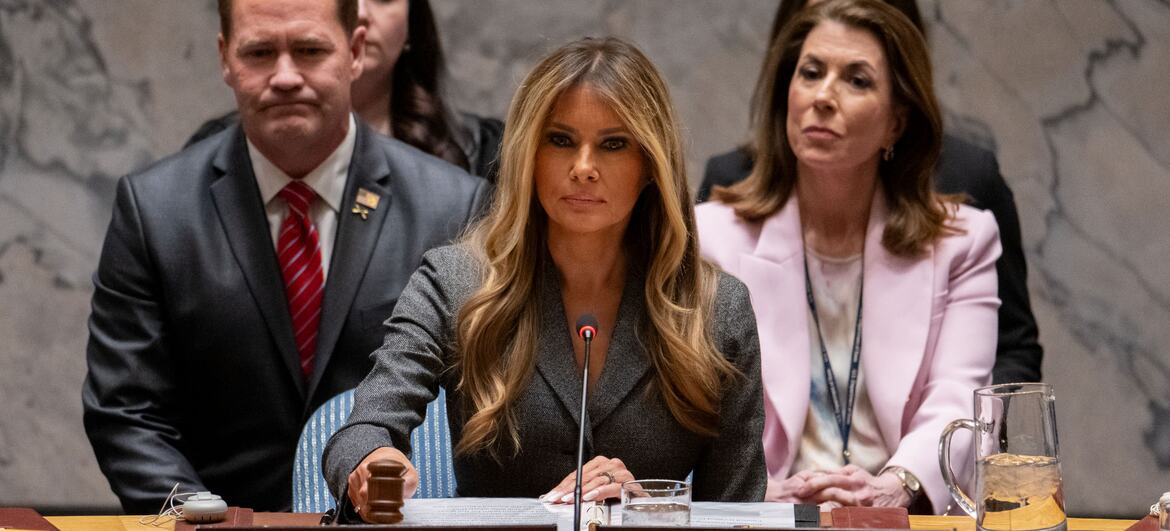
US President's wife, Melania Trump, chaired a UN Security Council meeting on children and armed conflict. The meeting took place on March 2 in New York City, amid the US and Israeli military operation against Iran. This marks the first time in the history of the Security Council that the spouse of a sitting head of state has chaired a meeting.
Speaking to the UN Security Council, First Lady Melania Trump called on world leaders to prioritize education and access to technology as the foundation of lasting peace and global security.
Opening her speech with condolences to the families who have lost loved ones in conflicts around the world, she expressed solidarity with the wounded and emphasized her support for children affected by war. "The United States stands with all children around the world," she said.
Trump emphasized that sustainable peace depends on knowledge and mutual understanding, warning that societies that restrict access to education risk instability and conflict. Calling education a fundamental human right, she noted that when children are deprived of the opportunity to learn, society pays a high price.
She also highlighted the transformative role of artificial intelligence and digital access in democratising knowledge and called on countries to bridge the technological divide.
"The path to peace depends on empowering our children through education and technology," she concluded.
In March, the United States assumed the rotating presidency of the UN Security Council. Traditionally, Security Council meetings are chaired by presidents, prime ministers, foreign ministers, or permanent representatives of countries to the UN. The situation in which the spouse of a head of state chaired a Security Council meeting was unprecedented.
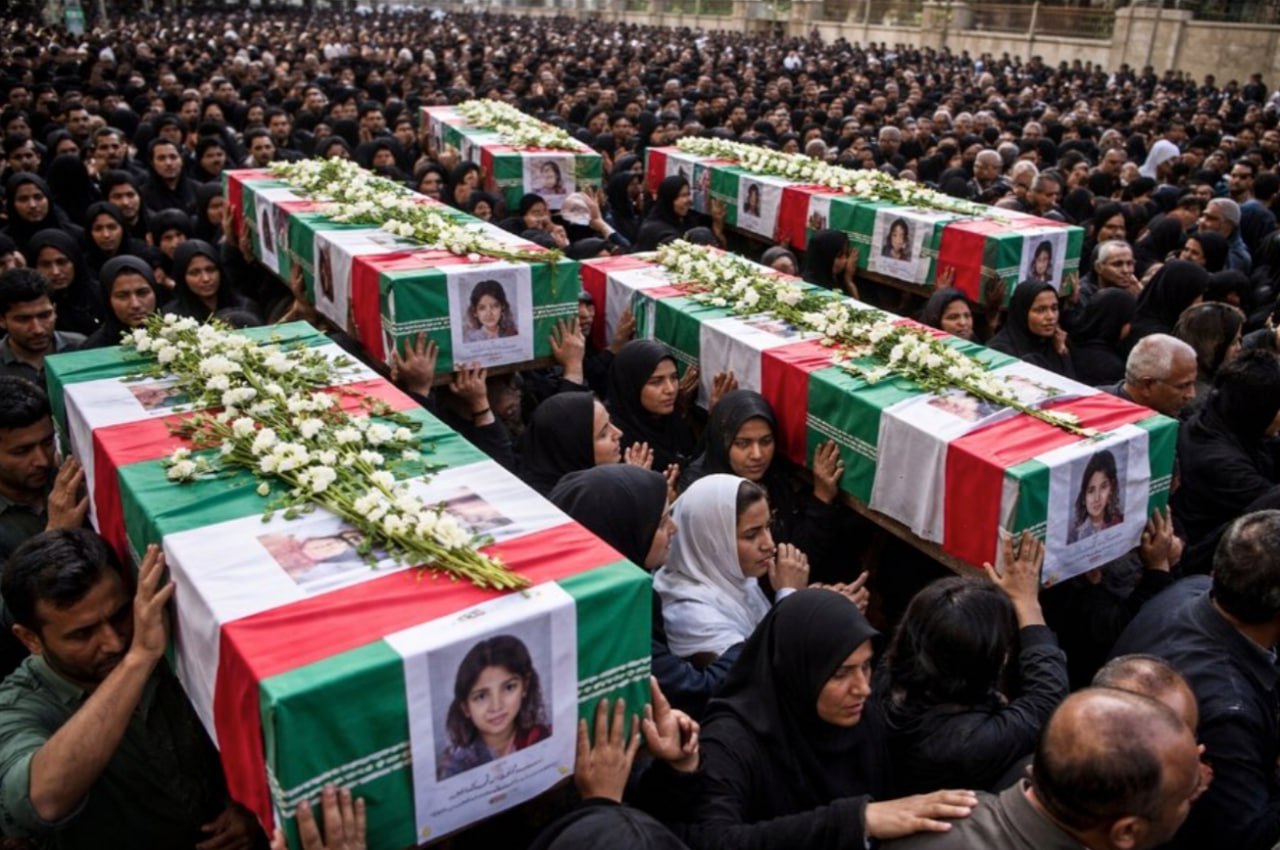
The previous Security Council meeting took place on February 28 and was urgently convened in response to the launch of US and Israeli military operations in Iran. UN Secretary-General António Guterres condemned the US and Israeli airstrikes against the Islamic Republic as a violation of international law, including the UN Charter. At the same time, he criticized Iran's retaliatory strikes, calling them a violation of the sovereignty and territorial integrity of Middle Eastern countries.