Translated with AI












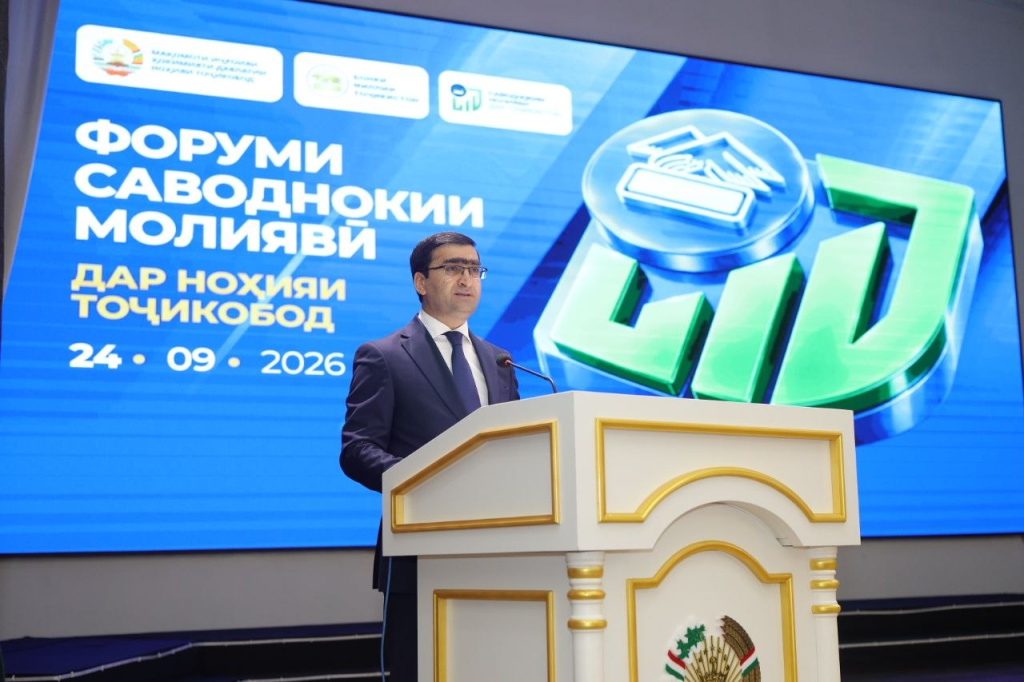




















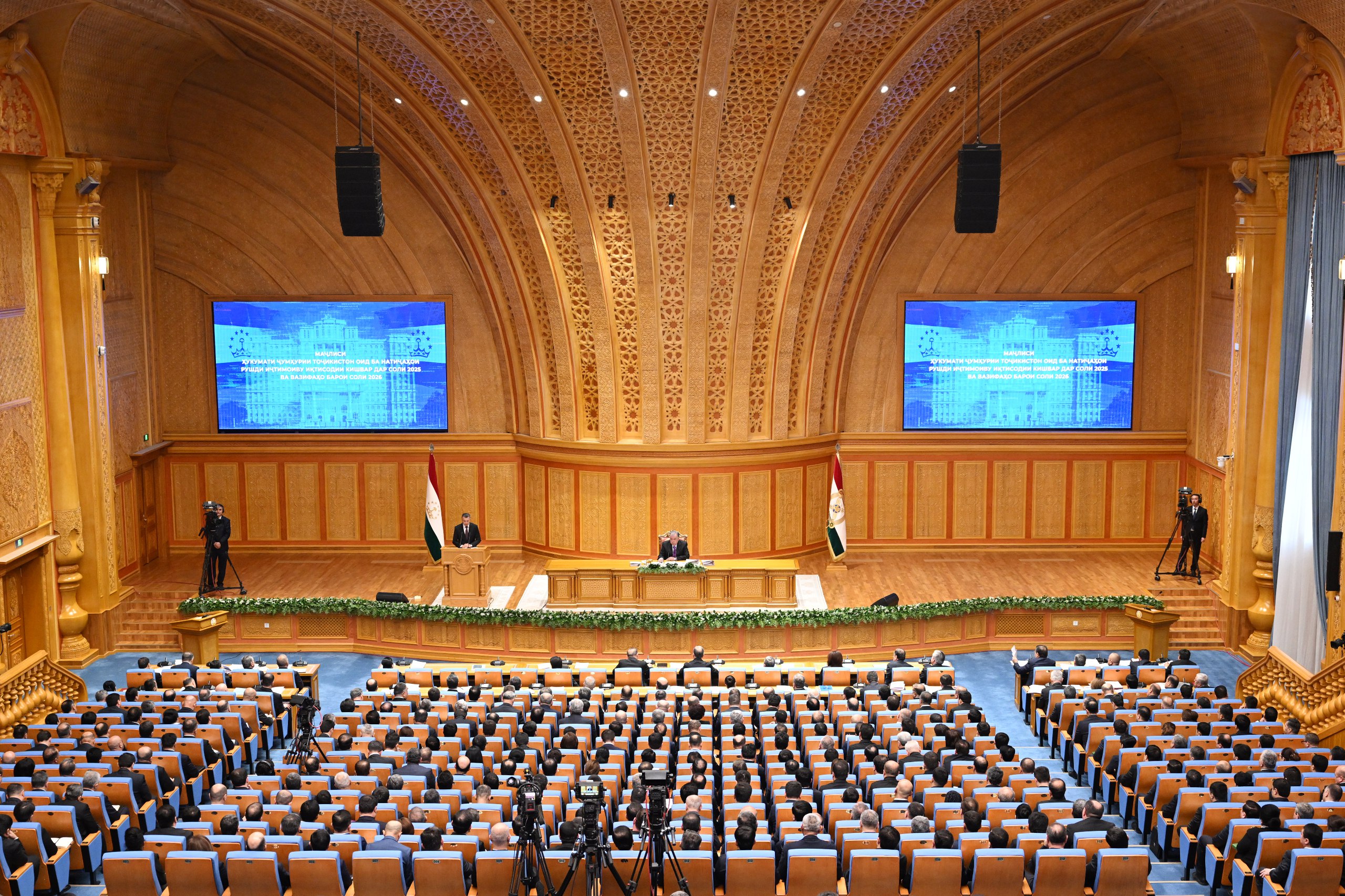
On January 23, an extended meeting of the Government of the Republic of Tajikistan was held in the building of the Government of the Republic of Tajikistan under the leadership of the President of the Republic of Tajikistan, Chairman of the Government of the country Emomali Rahmon.
The meeting was attended by the leadership and members of the Government of the country, the Executive Office of the President of the Republic of Tajikistan and its structural divisions, heads of central government bodies, departments under the President and the Government, national enterprises and institutions, chairmen of regions, cities and districts, heads of higher education institutions, centers for the implementation of state investment projects, state and joint-stock banks, official newspapers and magazines, and other responsible persons.
At an extended meeting of the Government of the Republic of Tajikistan, the results of the country's socio-economic development in 2025 were discussed in detail and the main objectives for 2026 were identified.
At the extended meeting of the Government, the Prime Minister of the country, Kokhir Rasulzoda, first presented a report on the results of socio-economic development for 2025.
As noted, despite the complex global challenges of our time and their negative impact on the country's economy, 2025 was a successful year for the people of Tajikistan, with significant progress achieved in the political and socio-economic life of the state.
According to the Prime Minister, during the reporting period, the gross domestic product amounted to 176.9 billion somoni, and its growth rate was achieved at the level of 8.4 percent.
The inflation rate was 3.5 percent, which is 0.1 percentage point lower than the 2024 figure.
In 2025, 60.3 billion somoni were received in the state budget revenue, which is 7 billion somoni more than the planned amount.
During the reporting year, 400 new industrial enterprises were commissioned in the country, ensuring growth rates of industrial production.
It was emphasized that in order to ensure the sustainable development of the energy sector and achieve the set goals in 2025, 13 state investment projects in the sector have been implemented for a total of 14.9 billion somoni.
As a result of measures taken by the Government, the volume of electricity production in the reporting year increased by 7 percent compared to 2024 and reached 24 billion kWh.
In the reporting year, the total volume of agricultural production amounted to 84.6 billion somoni, with growth compared to 2024 at the level of 9.5 percent.
In order to support entrepreneurship and improve the investment climate, the Government has taken a number of measures in recent years, including providing tax and customs benefits for the development of domestic production.
In 2025, the country will attract foreign investment totaling 59.5 billion somoni, which is 35 percent more than in 2024.
During this period, the total volume of loans issued by the country's banking system to sectors of the national economy and the population increased and amounted to 30 billion somoni.
During the reporting period, the volume of investments in fixed assets reached 28.7 billion somoni, which is 23 percent more than the 2024 figure.
The implementation of 14 investment projects totaling 11.7 billion somoni in the transport sector has enabled the sector's development, resulting in 155 million tons of freight and 1.1 billion passengers transported by all modes of transport last year, representing an increase of 15.2 percent and 11 percent, respectively, compared to 2024.
In 2025, the total volume of trade turnover amounted to 77.3 billion somoni, which is 14 percent more than in 2024.
The volume of paid services in all service sectors in 2025 amounted to 30.5 billion somoni, which is 13.2 percent more than in 2024.
The measures taken by the Government of the country allowed for an increase in foreign trade turnover by 20.5 percent during the reporting period compared to 2024.
The country's Prime Minister noted that during the reporting period, the number of preschool institutions in the country reached 795 units, which is 38 institutions more than in 2024.
In order to expand the coverage of children with preschool education, 3,154 child development centers have been created at general education institutions, covering 182.7 thousand