Translated with AI


























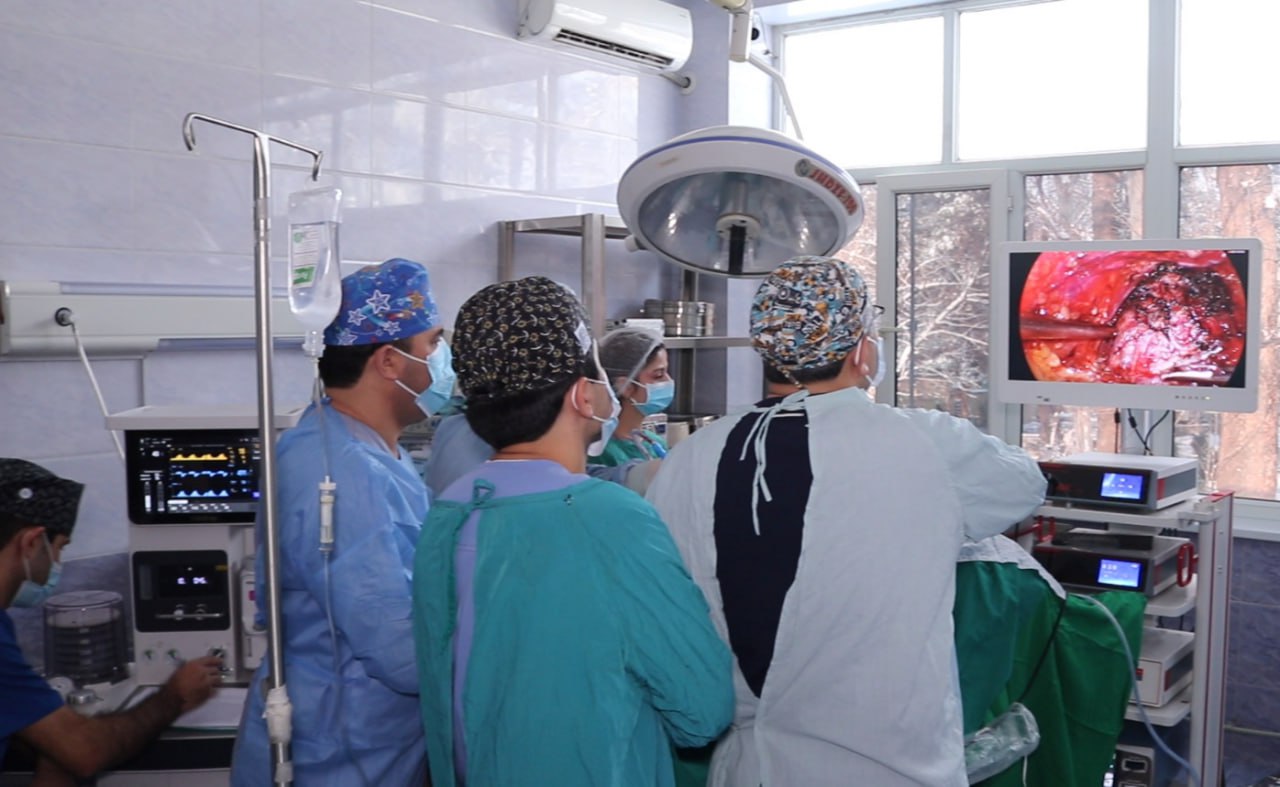
The Republican Scientific Center of Oncology of the Ministry of Health and Social Protection of the Population of Tajikistan successfully used an endoscopic method for treating prostate cancer for the first time in the country, according to the ministry's press service.
The center's director, Murodzoda Akbar Ismatullo, reported that five patients with prostate cancer underwent prostatectomy surgery using a new surgical method.
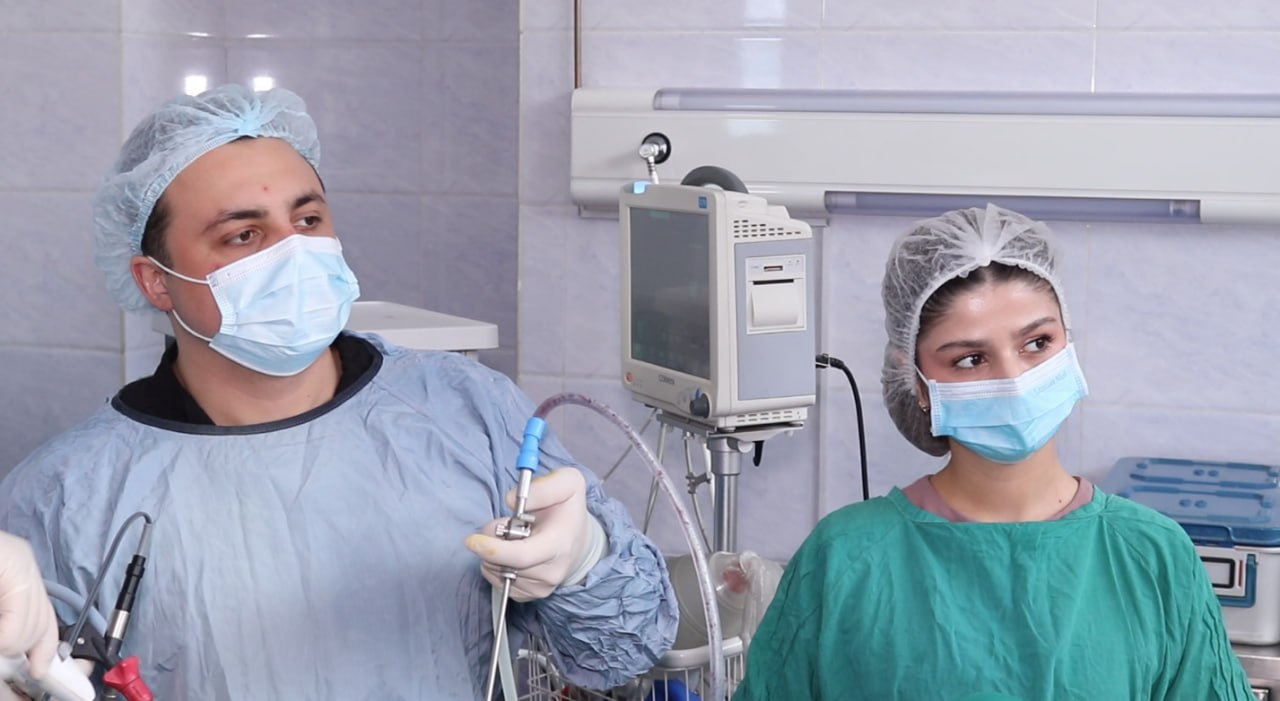
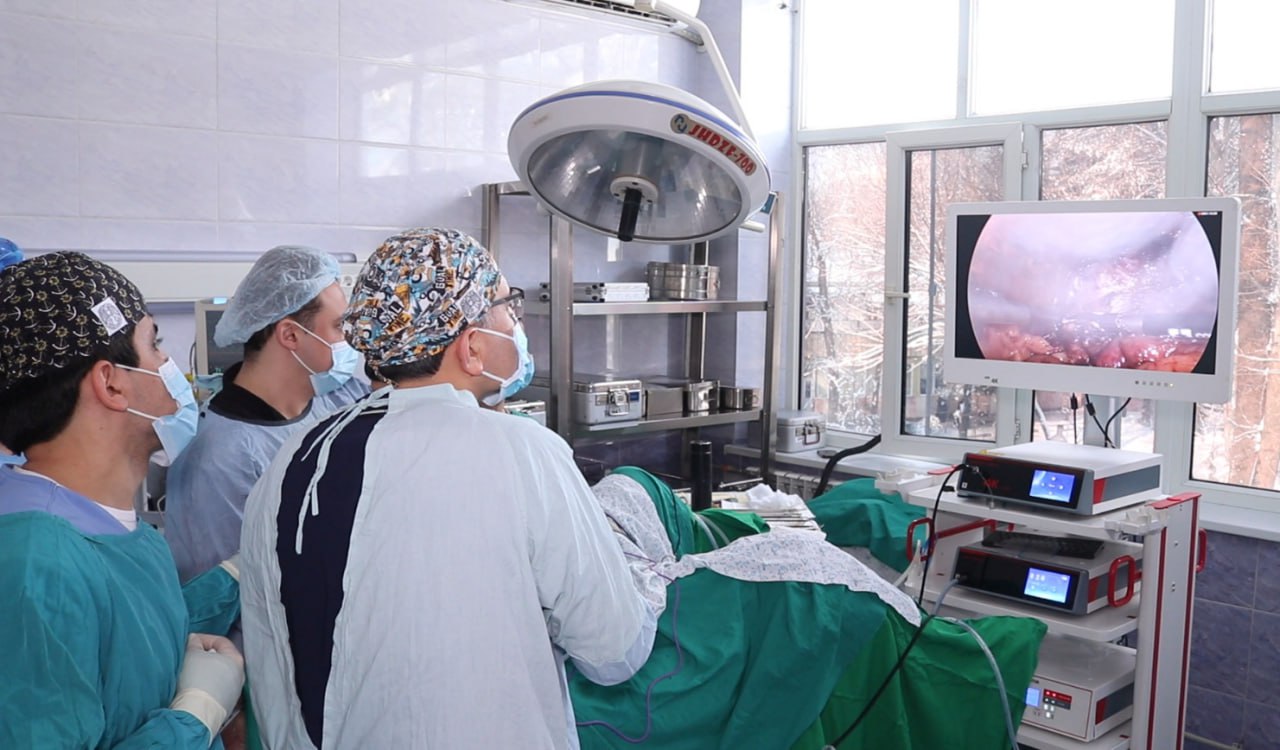
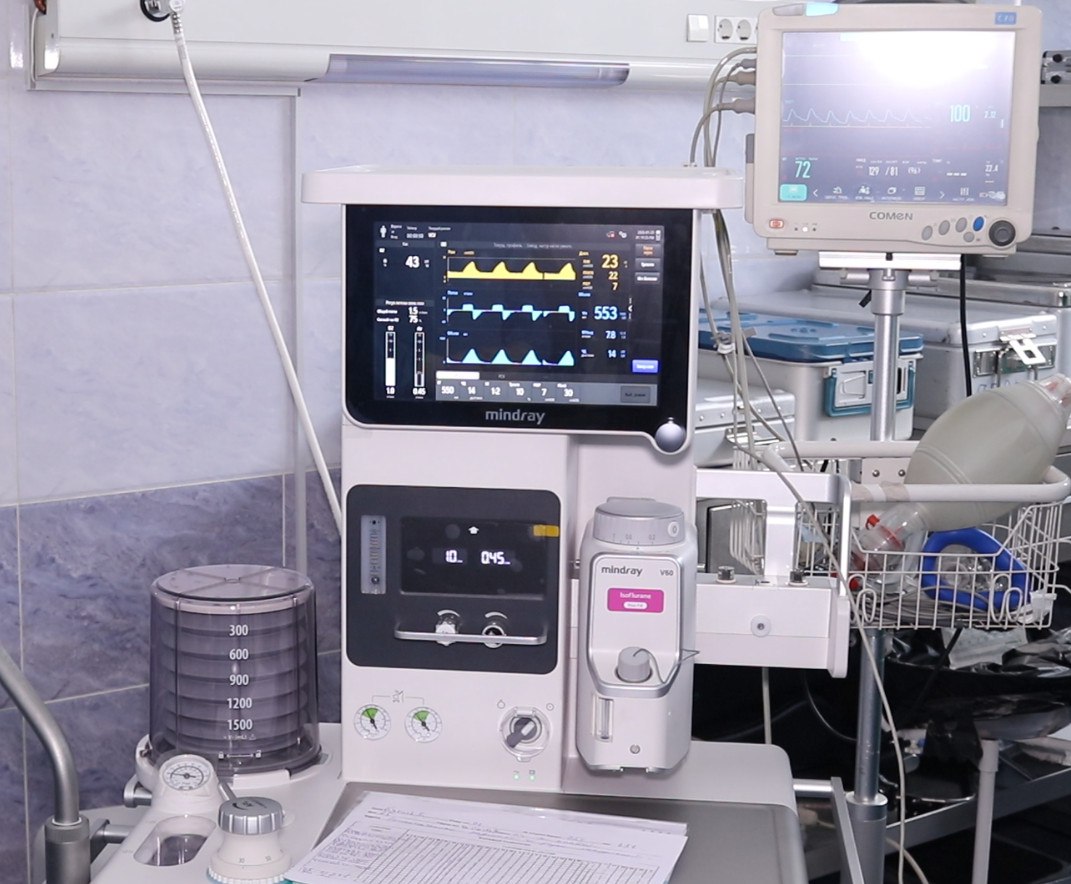
According to him, before the introduction of endoscopic surgery, prostate cancer treatment in Tajikistan was primarily performed using the traditional open technique. This type of surgery required a large incision, caused significant tissue damage, resulted in relatively large blood loss, and required a lengthy recovery period. After traditional surgery, patients had to stay in the hospital for a long time, and the risk of postoperative complications was higher.
The introduction of endoscopic surgery has brought treatment options to a new level. The surgery is performed through small incisions, minimizing blood loss and tissue damage. Postoperative pain is reduced, hospital stays are shortened to 6–7 days, and recovery is significantly faster.
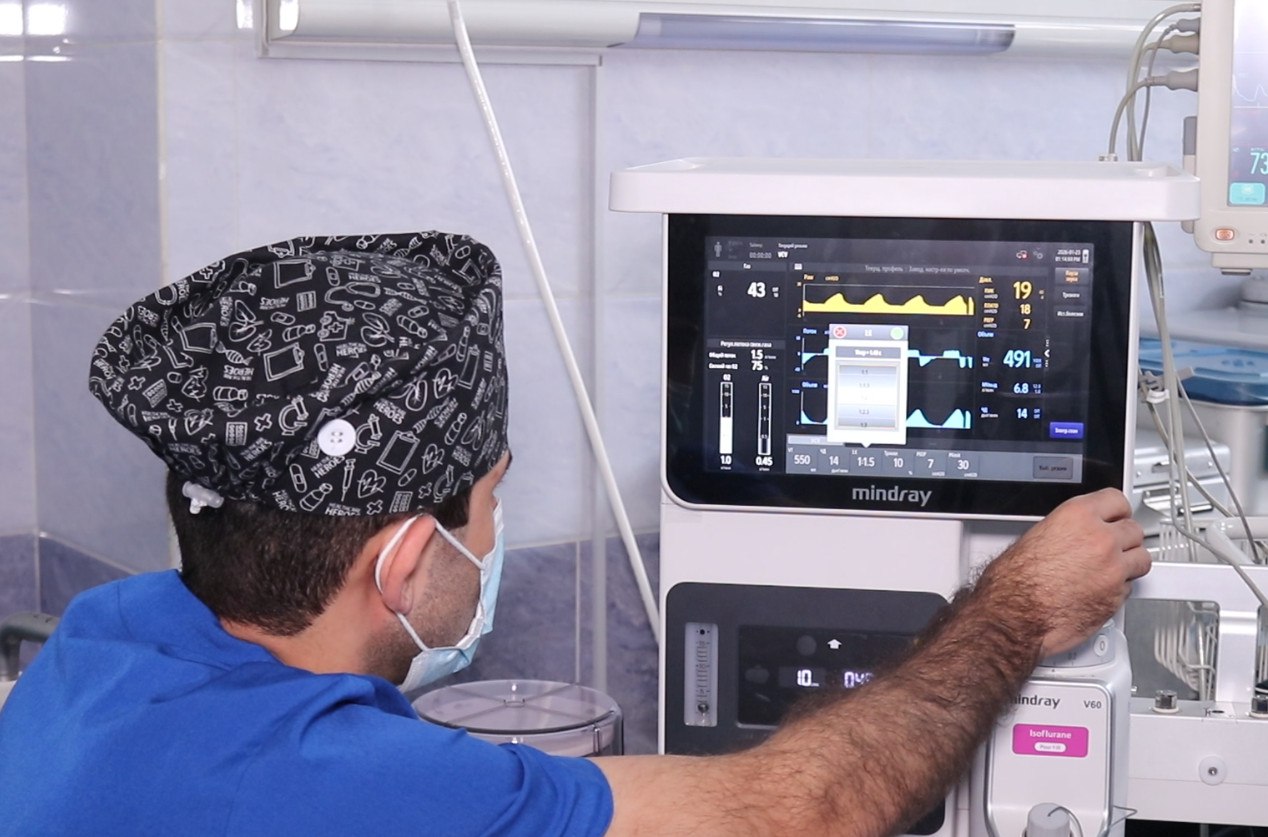
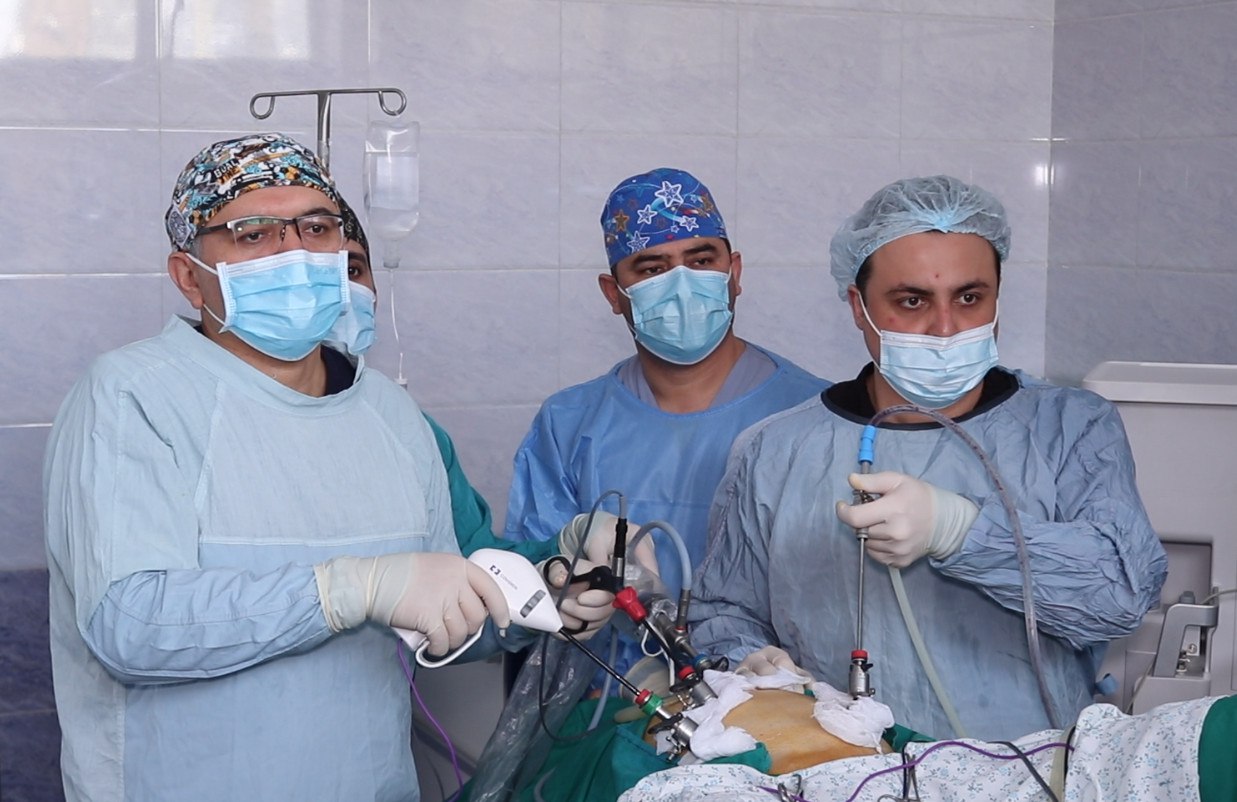
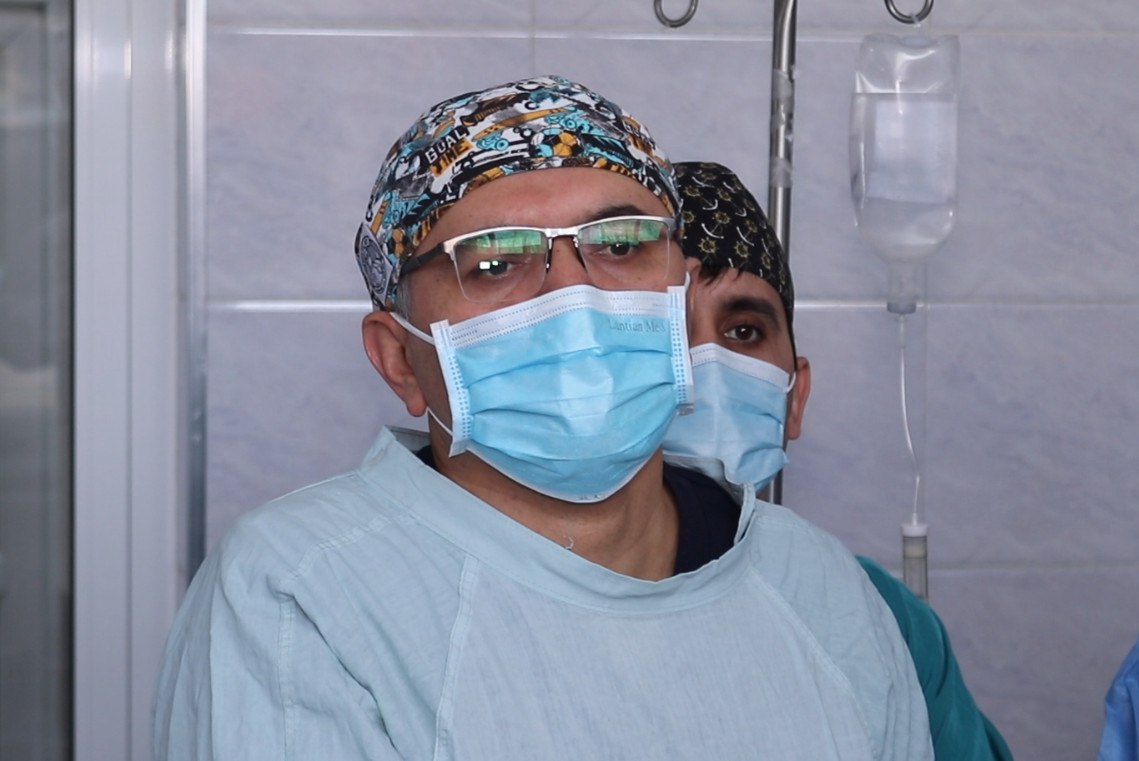
Furthermore, the endoscopic method is highly effective in oncological treatment and reduces the risk of postoperative complications. Patients' condition after these surgeries is satisfactory, and their health is stable.
For early and accurate diagnosis of prostate cancer, PSA (prostate specific antigen) testing, digital rectal examination and prostate tumor biopsy are used.
It is noted that today in Tajikistan, cancer treatment using minimally invasive methods is carried out on par with advanced countries around the world.