Translated with AI



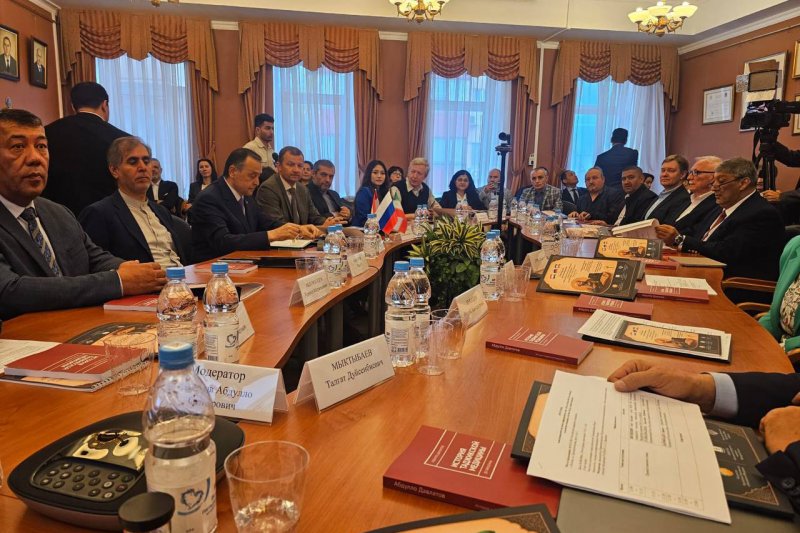
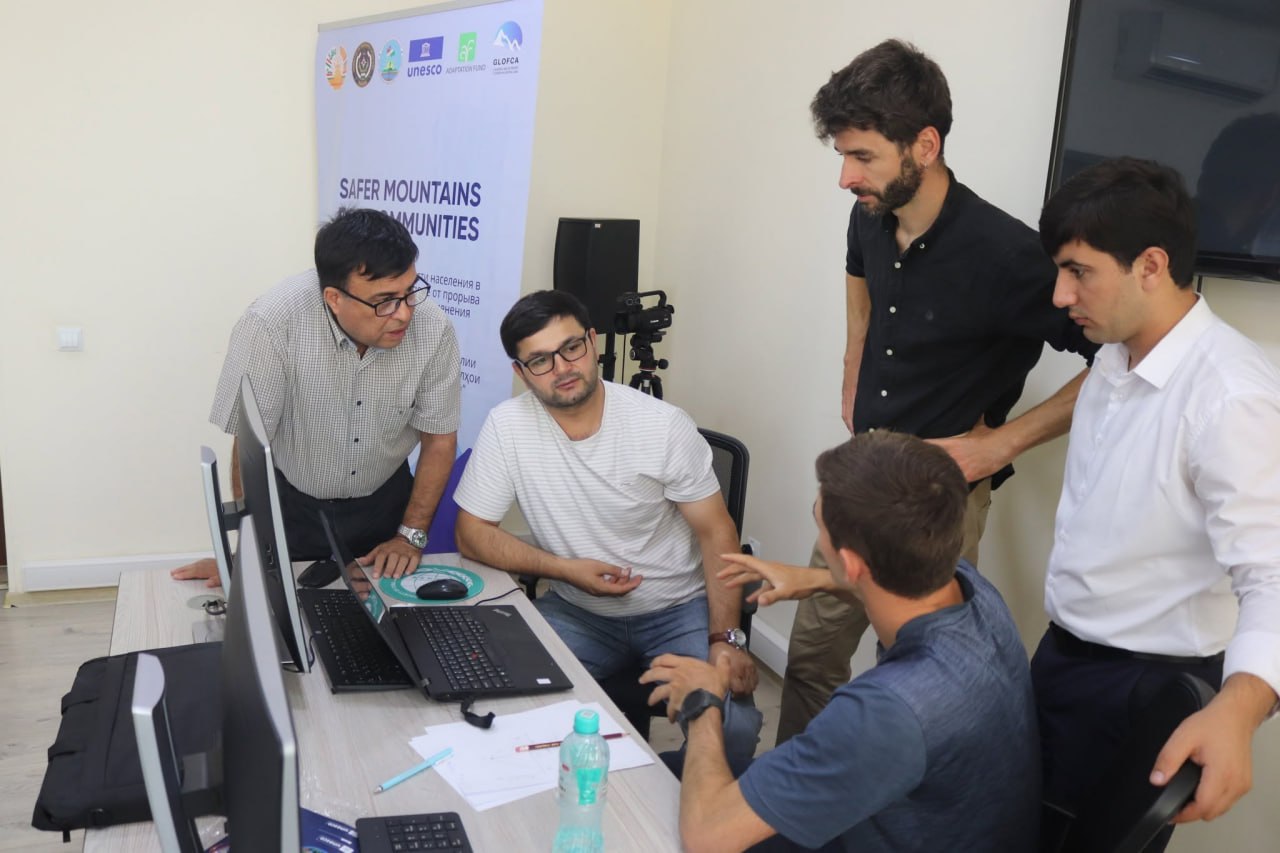



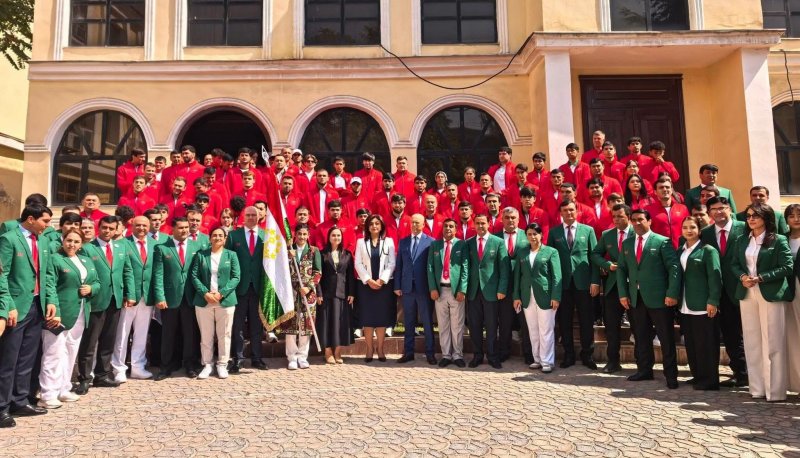







In 2025, China's trade volume with the five Central Asian countries exceeded USD 100 billion, marking a new milestone in the history of cooperation between the two sides. For the first time, China became the largest trading partner of the Central Asian countries, and their share in China's foreign trade continues to grow. Looking back, trade volume between China and the five Central Asian countries has grown from USD 460 million in 1992 to today's level, which has exceeded USD 100 billion. Both sides have always strived for joint development through cooperation, moving forward hand in hand and setting a new example for international relations.
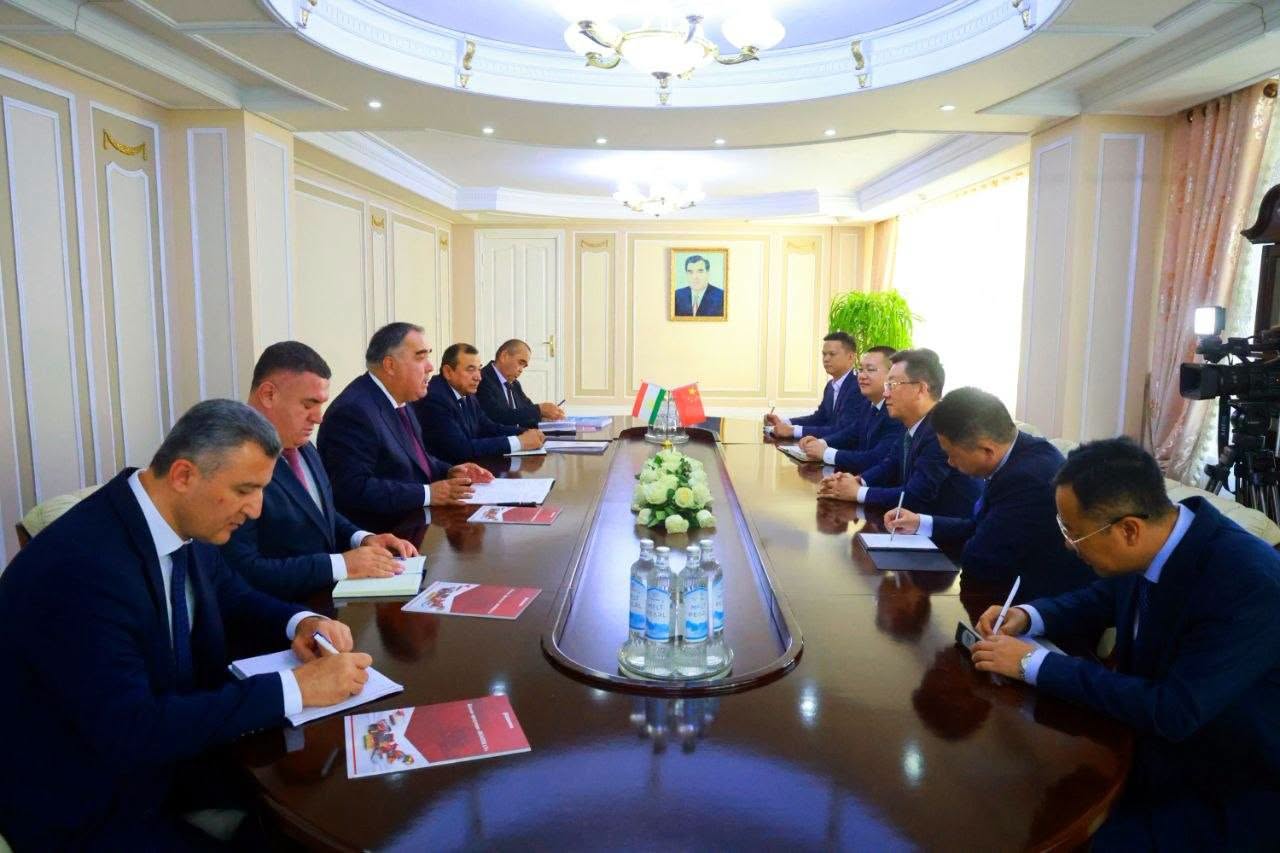
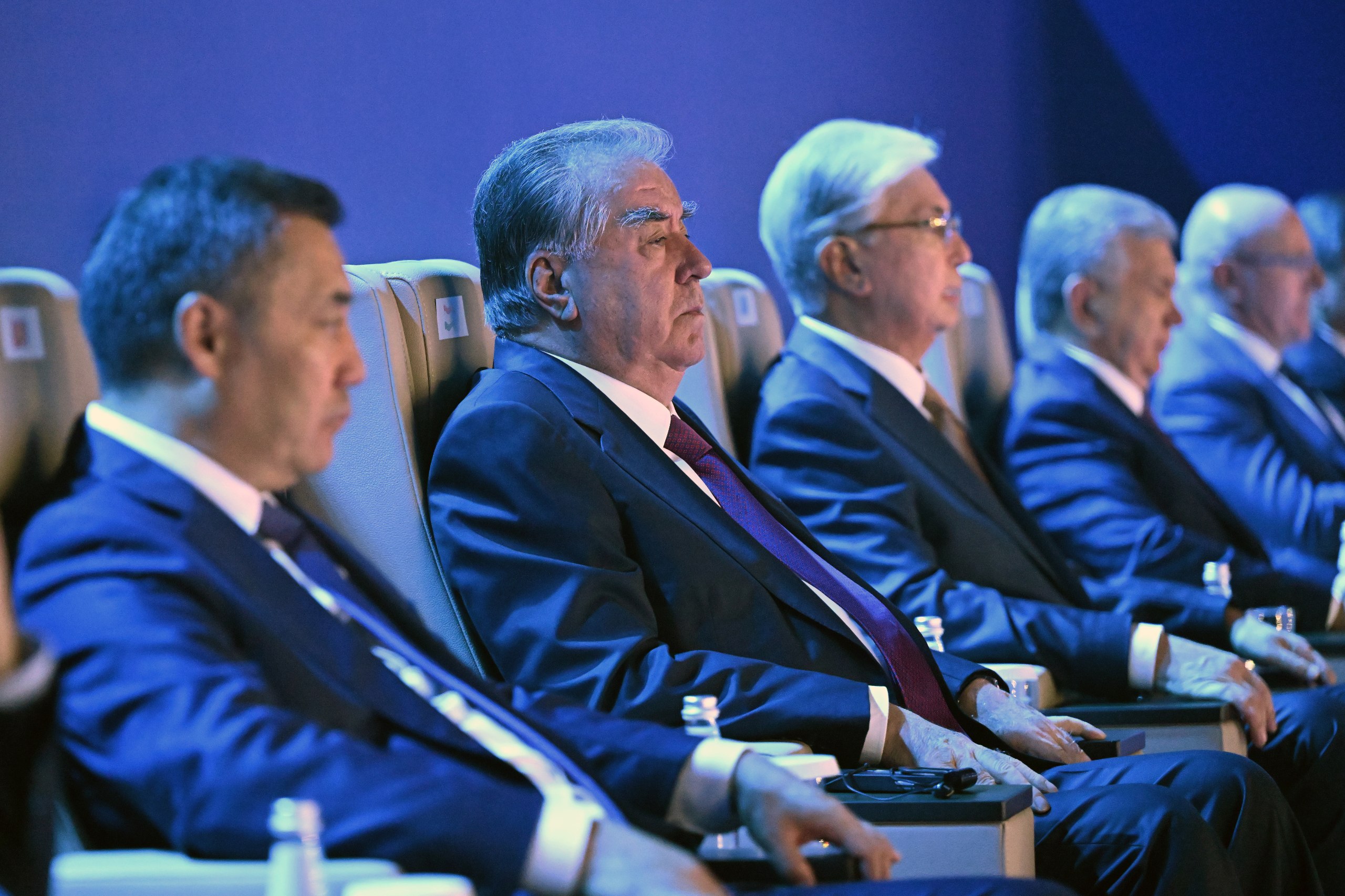
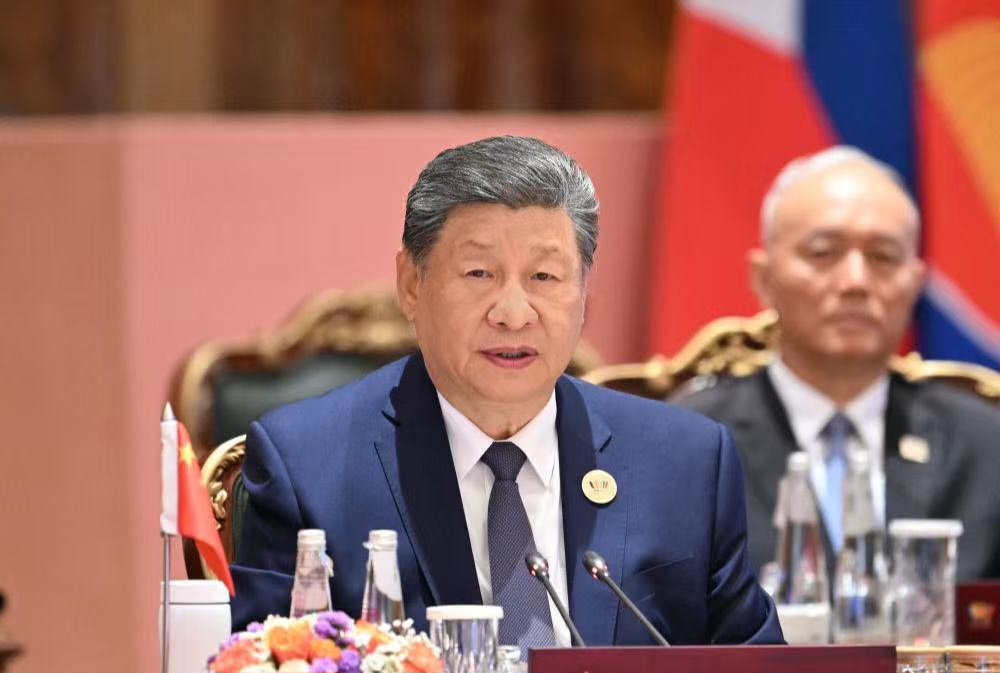
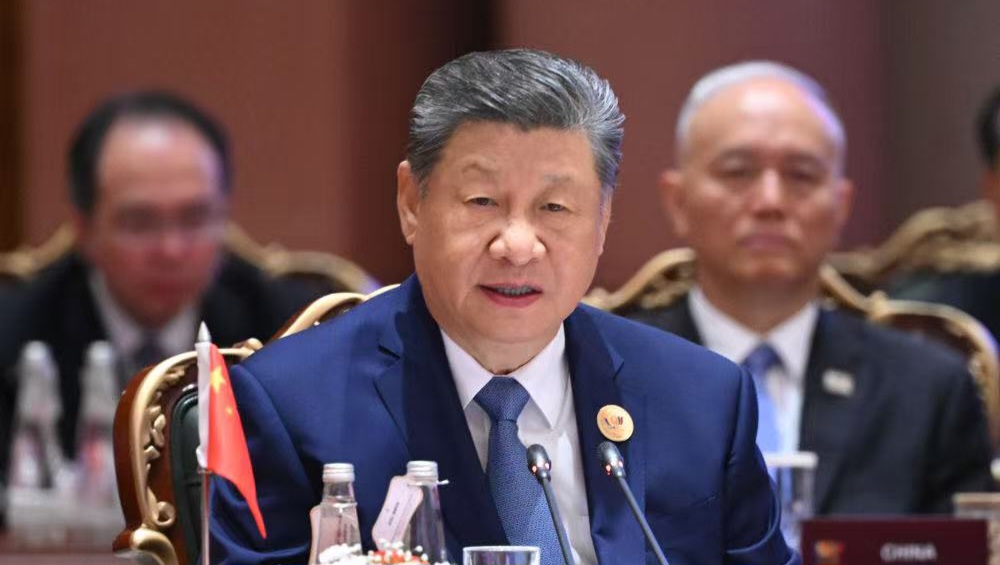
Heads of state diplomacy is leading to a new breakthrough in China's relations with the Central Asian countries. The strategic leadership of heads of state is the greatest asset for the sustainable development of relations between China and the Central Asian countries. Over the past decade, President Xi Jinping has maintained close cooperation with the leaders of the Central Asian countries, guiding China's relations with Central Asia toward continuous breakthroughs. China and the five Central Asian countries have already realized the "three full circles": a comprehensive strategic partnership, a partnership in jointly building the Belt and Road Initiative, and a community of shared future at the bilateral and regional levels. Over the past year, thanks to the promotion of the China-Central Asia mechanism, cooperation between China and Central Asia has actively developed, particularly with the successful holding of the second China-Central Asia Summit, which marked the entry of bilateral cooperation into a new stage of qualitative development. At the summit, President Xi Jinping first put forward the concept of the China-Central Asia spirit—“mutual respect, mutual trust, mutual benefit, mutual assistance, and advancing joint modernization through high-quality development”—which pointed the way for the confident advancement of bilateral relations.
Practical cooperation is driving new momentum in joint modernization. China consistently adheres to high-quality development, providing Central Asian countries with new opportunities for modernization. In 2025, China's economic growth reached 5%, exceeding 140 trillion yuan for the first time, providing a powerful impetus to the region's economic development. Building on the joint construction of the Belt and Road, China and Central Asia are advancing a number of major projects: a key section of the second phase of the China-Tajikistan highway project has entered trial operation, the China-Kyrgyzstan-Uzbekistan railway project has officially launched, planning for the third China-Kazakhstan railway is steadily advancing, and China-Turkmenistan energy cooperation is steadily developing, continuously improving regional connectivity. Tajik cherries, dried apricots, and other high-quality agricultural products from Central Asia are exported to China, enriching the diet of the Chinese people. New Chinese energy vehicles are plying the streets of Central Asian cities like Dushanbe, making travel easier for residents of the region. China and the Central Asian countries are exploring new growth areas in areas such as green industry, the digital economy, and artificial intelligence. The Tajikistan-China Mining Industrial Zone and the Juntai Dangara Xin Xilu Textile Agricultural and Textile Industrial Park are promoting the modernization of local industry with a green development vision. Both sides have gained a tangible sense of satisfaction from this practical cooperation.
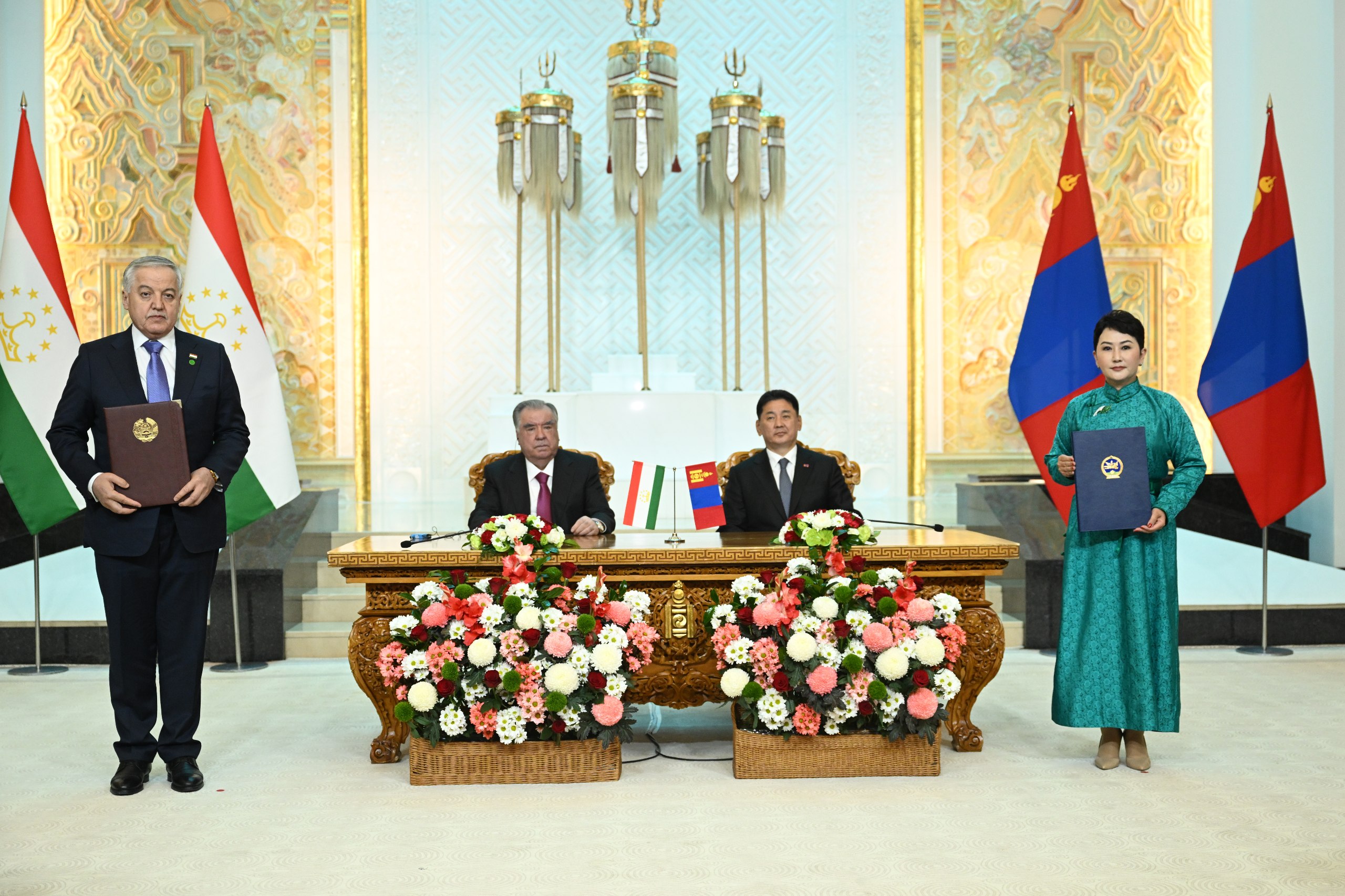
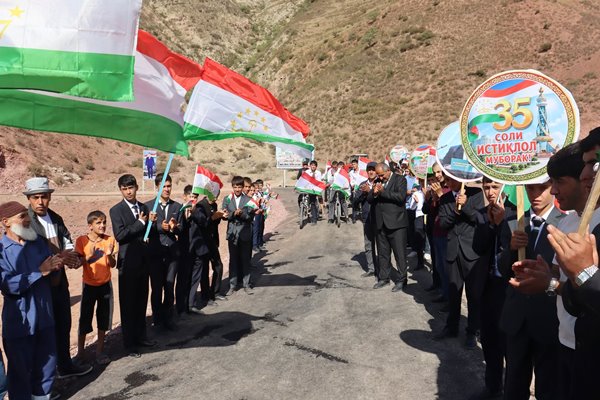
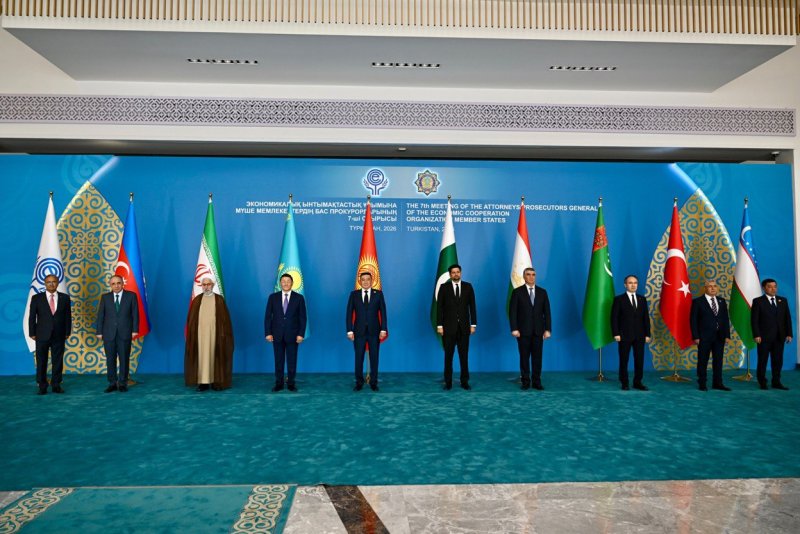
Public diplomacy continues to write a new history of centuries-old friendship. During the Astana summit last year, the heads of six countries jointly signed the "Treaty of Eternal Good-Neighborliness, Friendship, and Cooperation," formalizing the principles of this centuries-old friendship. In recent years, Confucius Institutes and Lu Ban Workshops have taken root in the Central Asian countries, interest in China and the Chinese language continues to grow, and studying in China has become a popular choice for students from Central Asia. China and the five Central Asian countries have established over 100 sister city pairs, and last year a direct flight was launched between Beijing and Dushanbe, providing direct air travel between the capitals of China and all Central Asian countries. Every year, hundreds of thousands of people from China and the Central Asian countries frequently visit each other, like family members, strengthening cultural ties based on shared aspirations, mutual understanding, and affinity.
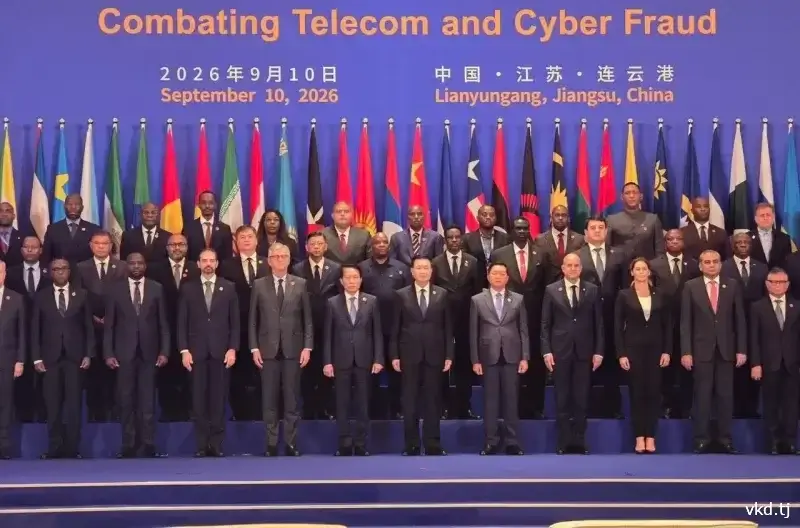
Currently, massive changes unseen in the last century are taking place, accelerating rapidly. Unilateralism and protectionism are noticeably increasing, hegemonism and power politics are on the rise, and the deficit in global governance is becoming increasingly apparent. China and the countries of Central Asia stand for justice, firmly supporting each other on issues concerning their core interests, promoting a more just and rational international order, and bringing stability to a turbulent international environment.
This year marks the beginning of China's 15th Five-Year Plan and a new starting point for high-quality cooperation between China and Central Asia. At this new historical juncture, China stands ready to seize the favorable situation with the Central Asian countries, continue to develop the "China-Central Asia spirit," improve and strengthen the China-Central Asia mechanism, promote comprehensive cooperation focused on innovation, quality, and tangible results, and jointly build a closer community with a shared future for China and Central Asia.