Translated with AI


























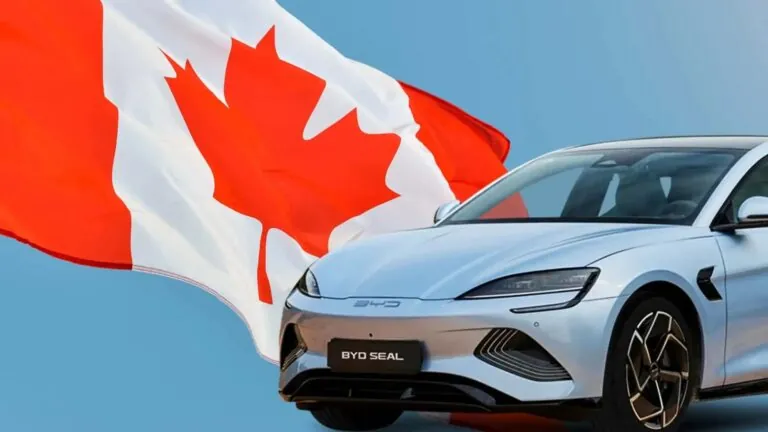
Canadian Prime Minister Mark Carney announced a deal with China allowing the import of Chinese electric vehicles into Canada at reduced tariff rates. Under the agreement, Canada will initially allow the import of up to 49,000 Chinese electric vehicles at a tariff of 6.1 percent. The start date for the deal has not yet been specified.
According to the Canadian government, this measure is aimed at stimulating trade with China and provides for mutual tariff reductions: China will reduce duties on canola, and Canada will reduce duties on Chinese-made electric vehicles.
The agreement was announced just days after US President Donald Trump announced his willingness to allow Chinese electric vehicle manufacturers to operate in the US market, provided they build factories and employ American workers. This announcement comes amid the ongoing trade war between the US and China and growing concerns about the impact of Chinese electric vehicles on American automakers.
China remains the world's largest automobile market, with Chinese automakers selling more electric vehicles than almost all other countries combined. Chinese companies have made significant progress in producing affordable electric vehicles. Oversupply within China has led to fierce price competition and increased EV exports to other countries.
As part of global practice, Mexico has been importing Chinese cars for several years, including BYD, Chery, and Neta. BYD previously considered building its own plant in Mexico, but these plans have been recently suspended.
It's worth noting that the US auto industry is closely tied to Canada and Mexico. According to industry experts, approximately 5.3 million vehicles are produced in these two countries, with approximately 70 percent of production destined for the US market.
At the same time, China still faces significant barriers to entering the US market, including high tariffs and a complete ban on the use of Chinese software in cars. Experts note that Chinese electric vehicles could have a devastating impact on the US auto industry. Tesla CEO Elon Musk has stated that China's auto sector has the potential to "destroy" American manufacturers, and Ford CEO Jim Farley has effectively confirmed a similar assessment.
Canada's agreement with China to reduce tariffs on electric vehicles thus reflects the Canadian government's desire to support its domestic market while taking advantage of opportunities in Chinese manufacturers, while strengthening trade ties between the two countries.