Translated with AI

































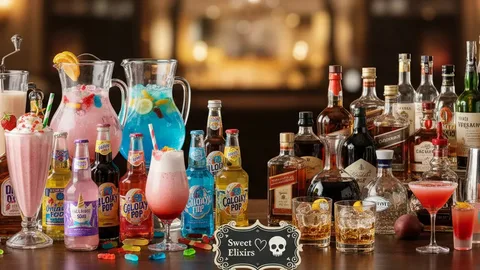
The falling prices of sugary drinks and alcohol are making them increasingly accessible, which, according to the World Health Organization (WHO), is leading to an increase in noncommunicable diseases and injuries. This has a particularly severe impact on children and young people: obesity, diabetes, cardiovascular diseases, and certain types of cancer are increasingly common in this population group, according to the UN press service.
Two global reports published Tuesday by the WHO call on governments to significantly strengthen tax policies on sugar-sweetened beverages and alcoholic beverages. The organization warns that weak tax enforcement allows these harmful products to remain cheap.
WHO Director-General Tedros Adhanom Ghebreyesus emphasized that high taxes on such products are one of the most effective tools for improving public health. He stated that increasing taxes on tobacco, sugary drinks, and alcohol reduces their consumption and provides additional funding for health services.
Billions in profits at the expense of public health Although the global sugar-sweetened beverage and alcohol market generates billions in profits, governments receive only a small share of this revenue. Taxes on sugary drinks exist in at least 116 countries, but many high-sugar products—such as fruit juices, milkshakes, and ready-to-drink coffee or tea drinks—remain tax-free. Energy drinks are taxed in 97 percent of countries, a figure that remains unchanged from 2023.
Alcohol is becoming more accessible A WHO report shows that alcohol taxes are in place in 167 countries, with 12 countries completely banning alcohol sales. However, since 2022, alcohol has become more affordable or remained at the same price in most countries, as tax rates have not kept pace with inflation and income growth. Wine is not subject to additional taxes in at least 25 countries.
Etienne Krug, Director of the WHO Department of Health Metrics, noted that accessible alcohol contributes to an increase in violence, injuries, and diseases.
Excise taxes and inflation The WHO notes that excise taxes on alcohol remain low globally, with an average of 14 percent for beer and 22.5 percent for spirits. Taxes on sugary drinks are also low: on average, they amount to only about two percent of the price of a regular soda and often apply only to a limited list of products. Furthermore, few countries adjust tax rates for inflation, making unhealthy products increasingly affordable.
A 2022 Gallup poll found that the majority of respondents support raising taxes on alcohol and sugary drinks. The WHO is calling on countries to reconsider their policies in this area.