Translated with AI




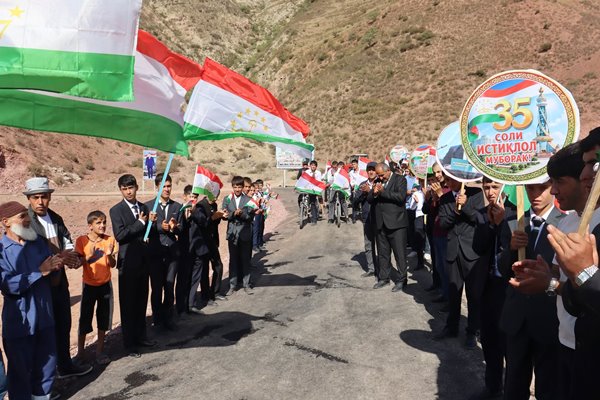






















In Tajikistan, work has begun on developing a feasibility study and a detailed design for the reconstruction of the Ayni-Gornaya Matcha highway. The work is being carried out by the State Unitary Enterprise "Institute for Design of Transport Objects" (IDTO) of the Ministry of Transport of the Republic of Tajikistan, in collaboration with the Kuwaiti consulting firm "NARCO – Dr. Nabeel Abdul-Raheem Consultants," the ministry's press center reported.
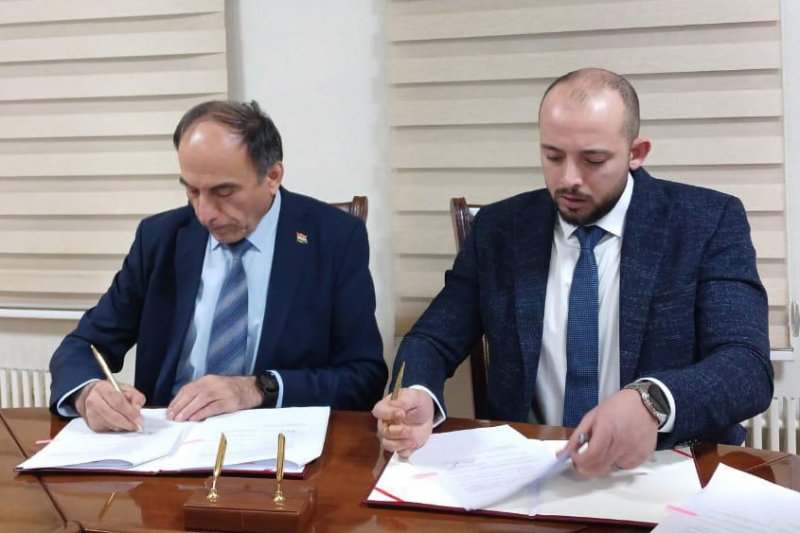
The contract for consulting services between the Ministry of Transport of the Republic of Tajikistan and NARCO was signed on December 29, 2025, in Dushanbe by Minister of Transport Azim Ibrohim and the company's authorized representative, Ahmad Mahrus Ahmad Muhammad Aish. The document entered into force on January 12, 2026, 14 calendar days after signing.
The detailed reconstruction project envisions a comprehensive modernization of the highway, including the renewal of the pavement and associated infrastructure, taking into account existing conditions, restrictions, and the current state of the facility. The project aims to adapt the road to new operational requirements and improve its technical characteristics.
The Ayni-Gornaya Matcha highway was built in the 1960s. In 2015, it was designated a national road and classified as a Category V highway. The total length of the highway is 162 kilometers.
After reconstruction, the road will meet international standards and be classified as Category IV. It will consist of two lanes and be divided into two sections. The first section will run from the Ayni district to the village of Mekhron, the center of the Gorno-Matcha district, and will be 80 kilometers long. The second section, 82 kilometers long, will connect the district center with the village of Dekhhisar in the Gorno-Matcha district.
The project includes the construction of 27 bridges and 405 culverts on the highway.
The project's goal is to improve regional transport links, increase the population's well-being and quality of life through the development of transport infrastructure, and create new jobs.