Translated with AI























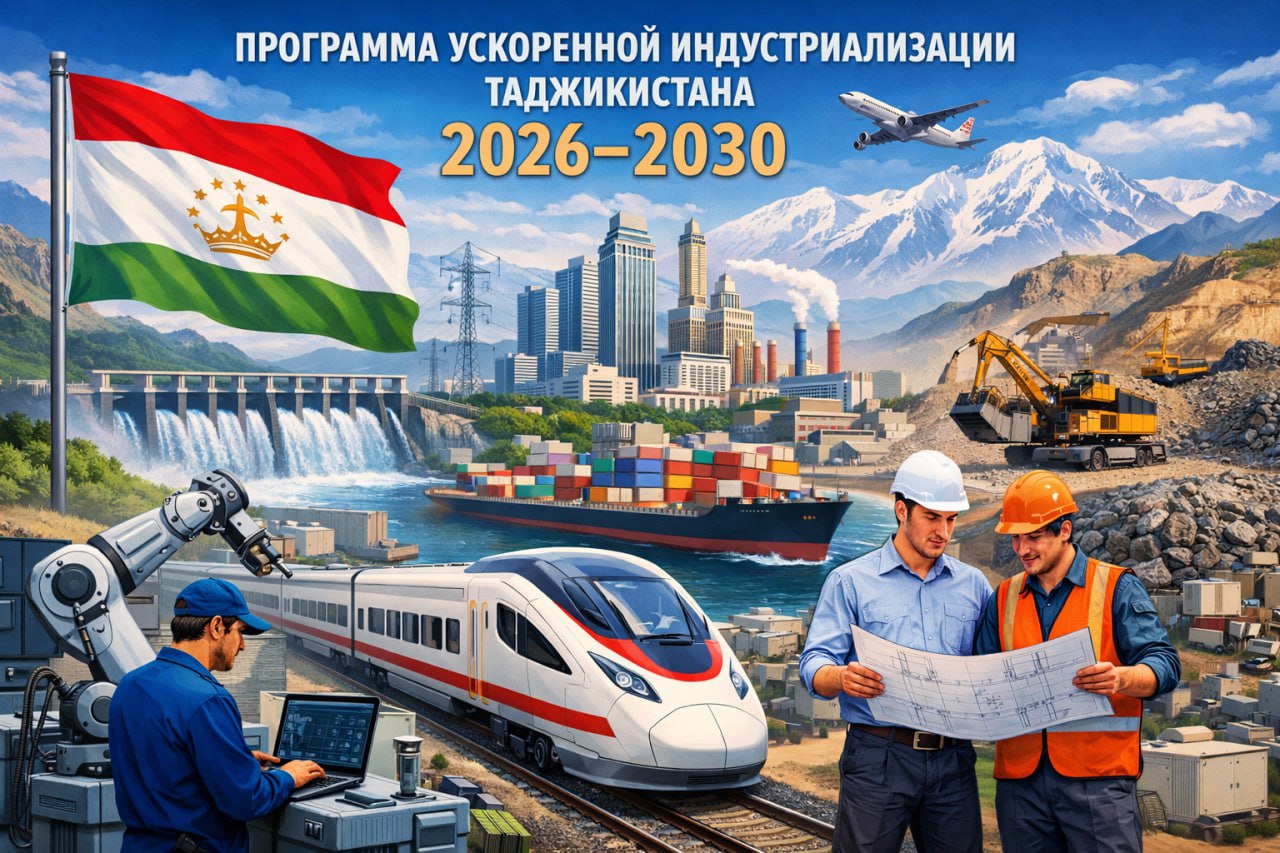
By the end of the first quarter of 2026, a draft of a new Program for Accelerated Industrialization of Tajikistan for 2026–2030 will be developed and submitted to the government for review. Additionally, a Program for the Development of the Production and Beneficiation of Non-Ferrous, Rare, and Precious Metals, as well as Other Important Raw Materials, will be adopted, reports NIAT Khovar, citing the Ministry of Industry and New Technologies of the Republic of Tajikistan.
As part of the program's implementation, additional measures will be taken to ensure the efficient and rational use of subsoil resources, strengthen state oversight, and promote the sustainable development of the country's extractive industries and geology. The Ministry of Finance, the Ministry of Industry and New Technologies, the Main Directorate of Geology, and the Tax Committee, along with other agencies, will develop regulations governing activities in these areas and submit them to the government for review.
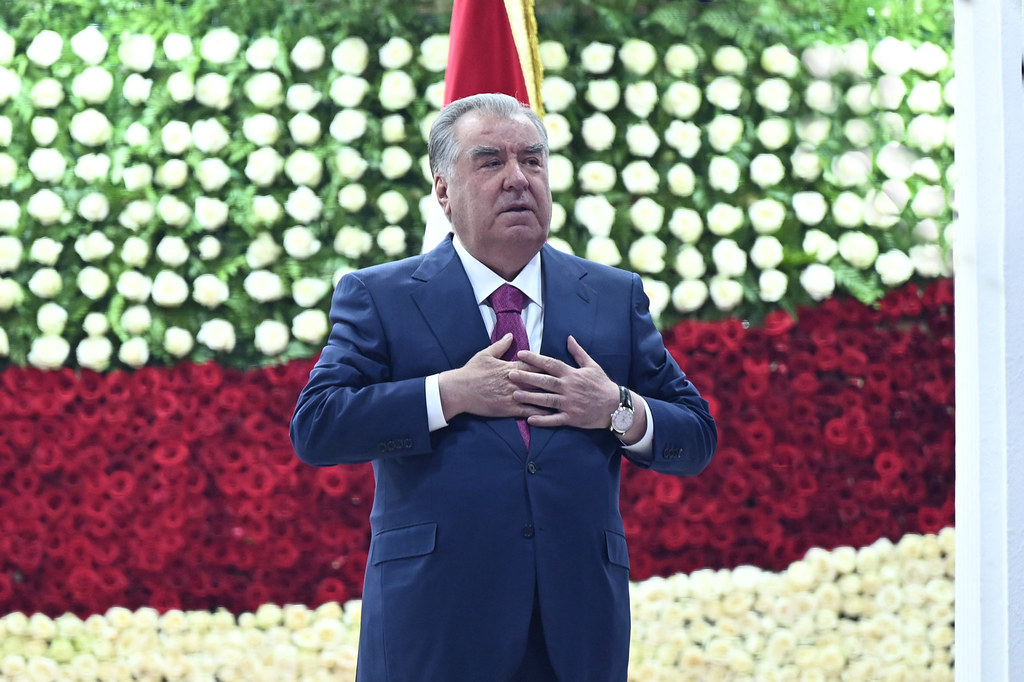
In accordance with the instructions of the President of the Republic of Tajikistan, Emomali Rahmon, the documents being developed must thoroughly address issues related to ensuring full statistical coverage, simplifying government procedures, including licensing, improving the taxation of natural resources, and addressing other pressing issues. Particular attention will be paid to the development of light industry, advanced processing, and the production of rare and precious metals.
As noted in the President's Address to the Majlisi Oli on December 16, 2025, during the implementation of the national strategic goal of accelerated industrialization (2019–2025), more than 2,600 industrial enterprises were built and commissioned, creating over 87,000 jobs. Specifically, 400 manufacturing enterprises began operations in 2025 alone.
Mineral production volume increased from 7.7 billion somoni in 2020 to 27 billion somoni in 2025, representing a 3.4-fold increase. While in 1991, the mineral sector produced three types of products (gold, silver, and lead powder), by 2025 this number increased to 17.
Gold production has increased sevenfold, silver sixfold, and lead powder ninefold compared to 1991. Over the past seven years, production volume has grown 2.5-fold, reaching 66 billion somoni in 2025. The industrial sector's growth rate in 2025 was 22 percent.
The President instructed the Ministry of Industry and New Technologies to utilize all its capacities and capabilities to ensure annual growth in the sector of at least 25 percent over the next five years. Furthermore, measures will be taken, with the involvement of domestic and foreign capital, to establish new facilities for the complete processing of domestic raw materials, including minerals, non-ferrous, rare, and precious metals, agricultural products, and medicinal herbs, as well as to increase the production of export and import-substituting products.