Translated with AI
































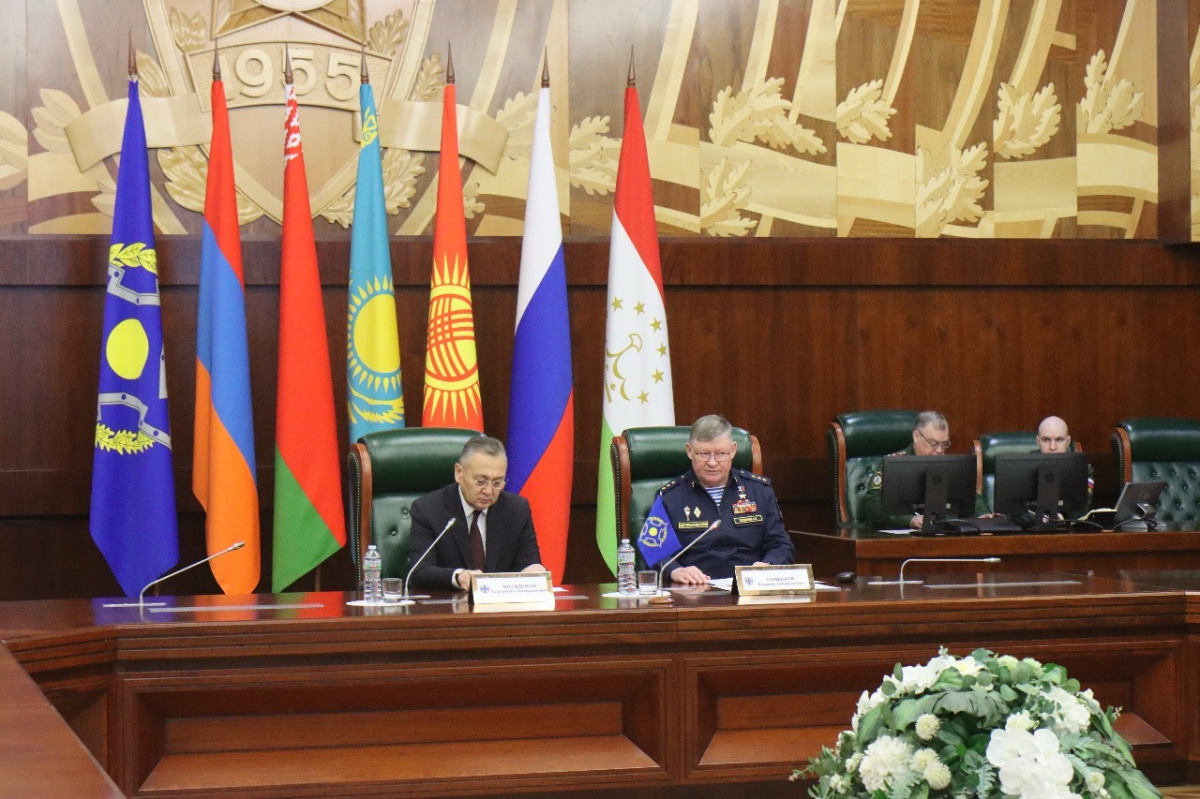
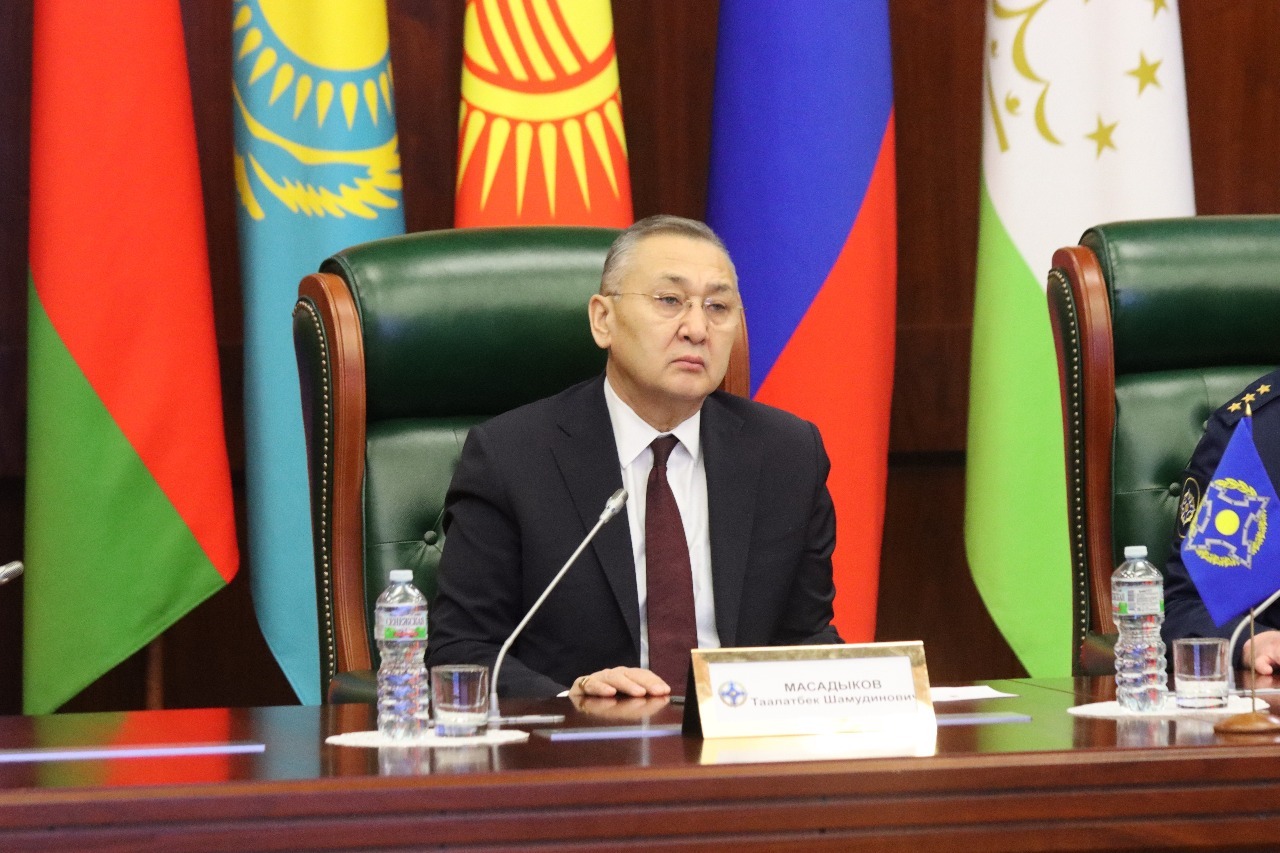
On December 29, a meeting was held at the International Military Center in Moscow to summarize the CSTO Joint Staff's activities for 2025 and set goals for 2026. Acting CSTO Secretary General Taalatbek Masadykov, who will lead the Collective Security Treaty Organization from January 1, 2026, participated in the meeting, the CSTO press service reported.
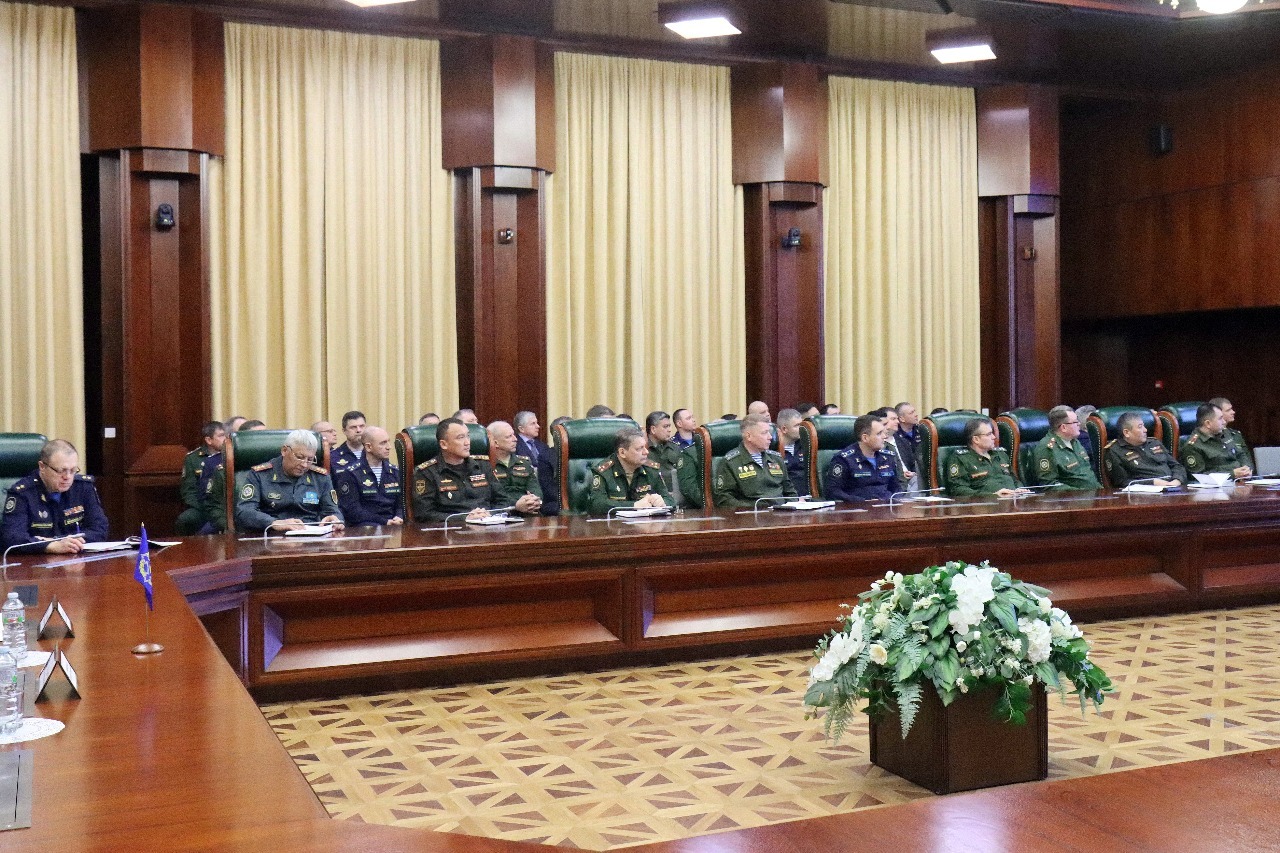
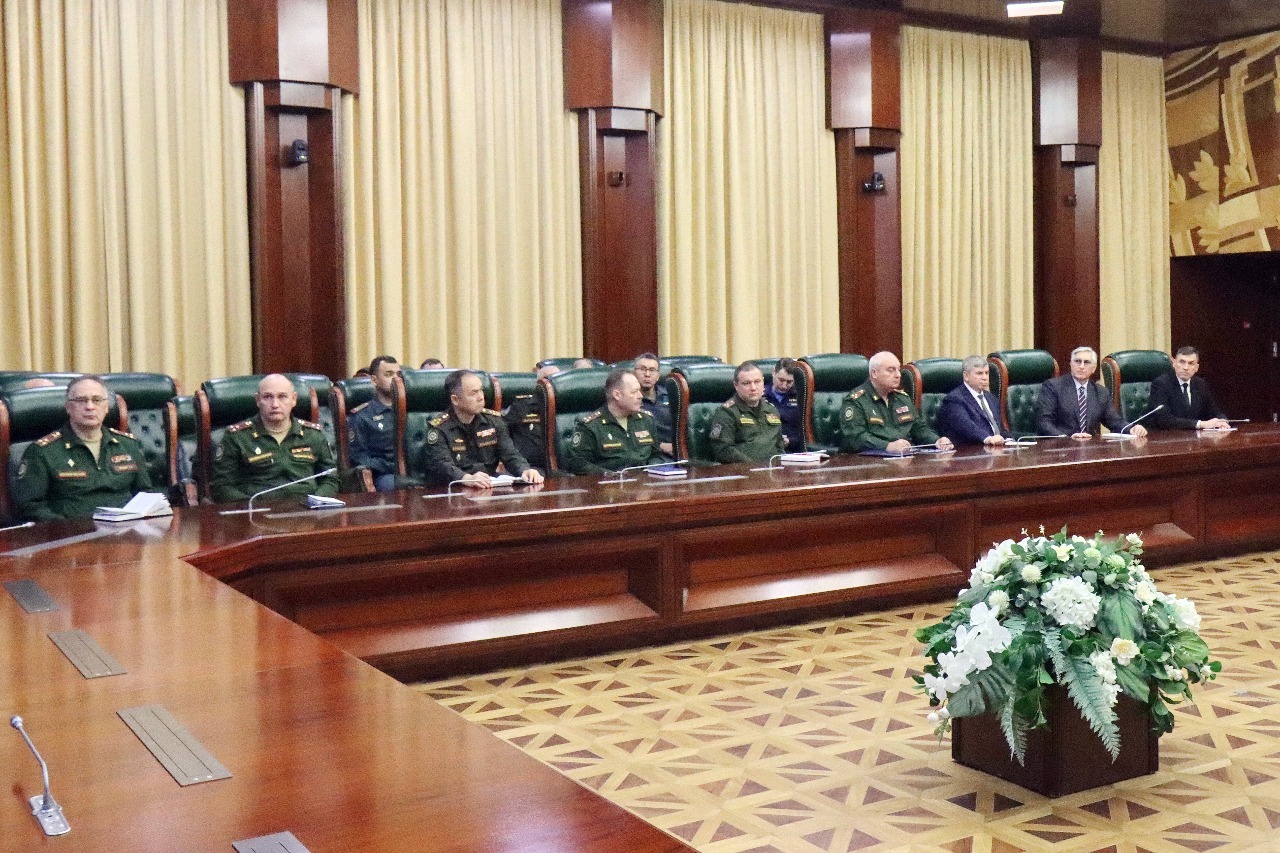
During the event, summing up the results, the Chief of the CSTO Joint Staff, Colonel General Andrei Serdyukov, in particular, noted that this year, special attention was paid to increasing the efficiency of decision-making and implementation on the use of forces and assets of the collective security system, the further development of the components of the Troops (Collective Forces), their preparation for the performance of their intended tasks, as well as the improvement of command and control systems and comprehensive support.
Speaking about the tasks for 2026, Colonel General Andrei Serdyukov said: “I believe it is necessary to focus the main efforts of the CSTO Joint Staff in 2026 on the implementation of the activities of the Plan for the Development of Military Cooperation of the CSTO Member States for 2026-2030, the Joint Training Plan for 2026, as well as the priority areas of activity declared by the Russian Federation for the period of its chairmanship of the Organization, which is taking place under the motto announced by the President of Russia – ‘Collective Security in a Multipolar World: Common Goal – Shared Responsibility.’”
Addressing the event participants, Acting CSTO Secretary General Taalatbek Masadykov praised the joint work of the Joint Staff and the Secretariat this year and noted that the draft Action Plan for the implementation of the decisions of the November 2025 session of the CSTO Collective Security Council, based on the priorities of the Russian Federation, has been completed. The document aims to actively improve the command and control system of the CSTO Collective Forces, build the capacity of national contingents, develop joint training, strengthen peacekeeping capabilities, and address a number of other important areas.