Translated with AI






























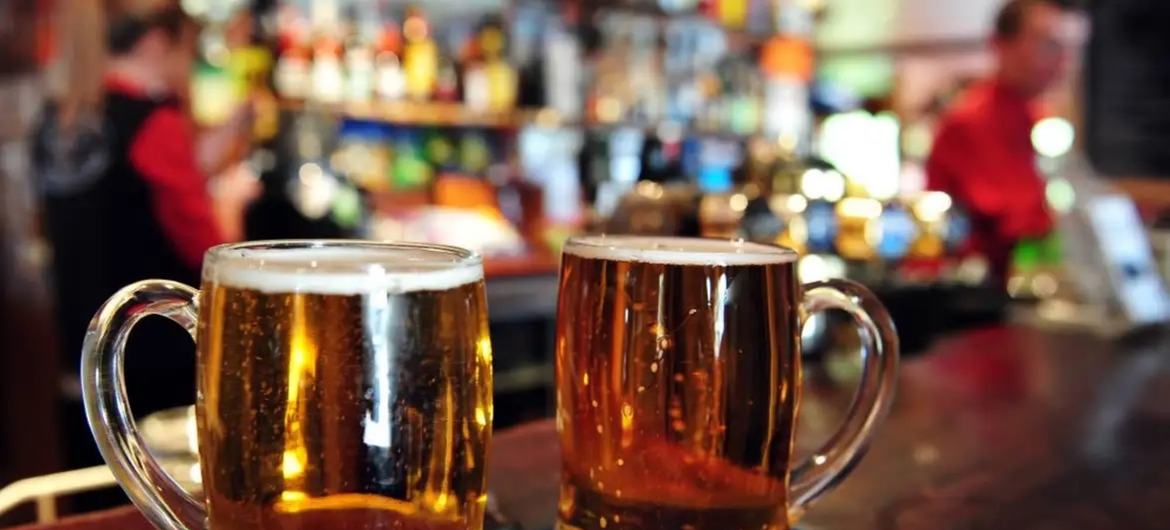
The World Health Organization (WHO) warns of the significant role alcohol plays in injury and violence-related deaths in Europe and Central Asia. According to a new report, one in three deaths from injuries and violent incidents in these regions is linked to alcohol consumption.
According to 2019 data, nearly 145,000 injury deaths in countries in the WHO European Region were directly related to alcohol. Most often, these deaths occurred as a result of self-harm, road traffic accidents, and falls. Experts emphasize that no other psychoactive substance causes such widespread harm as alcohol, causing both accidental and intentional injuries and deaths.
WHO Regional Advisor on Alcohol, Karina Ferreira-Borges, noted that alcohol not only triggers serious noncommunicable diseases, including seven types of cancer, but also significantly reduces a person's ability to control their behavior, impairs coordination and reaction time, and increases the propensity for risky behavior. This is precisely why alcohol is a frequent cause of preventable injuries and deaths.
Alcohol and violence
Alcohol remains one of the most persistent factors triggering aggression and violence. In 2019, approximately 26,500 deaths due to violence were recorded in the region, more than 40 percent of which were alcohol-related. Also, more than a third of suicides were alcohol-related.
The WHO emphasizes that the harm from alcohol extends not only to the drinker but also to those around them, especially women and children. Alcohol consumption is a significant risk factor for intimate partner violence. However, official statistics only reflect part of the true picture, as many cases go unreported due to stigma and fear of seeking help.
Impact on youth
Experts are particularly concerned about the impact of alcohol on adolescents and young adults. In this age group, it is a leading cause of premature death and disability, primarily due to injuries. WHO Regional Road Safety Advisor Jonathon Passmore noted that young people are less likely to drink alcohol regularly but are more likely to consume large amounts over a short period of time, significantly increasing the risk of road accidents, drowning, falls, violence, and self-harm. Alcohol also negatively impacts brain development, impairing memory, learning, and decision-making, increasing the likelihood of long-term consequences.
Regional differences
Significant differences in alcohol-related injury rates persist across Europe. The highest mortality rates are recorded in Eastern European countries, where more than half of all injury deaths are alcohol-related, while in Western and Southern European countries, this figure often falls below 20 percent. Experts attribute this gap to differences in drinking culture, the prevalence of episodic drinking, and the effectiveness of government controls—from sales regulations to access to treatment.
WHO recommendations
The WHO calls on countries in the region to take proactive and targeted action to reduce alcohol-related harm. Among the most effective measures are increasing prices and taxes on alcohol, restricting the times and places of its sale, strictly regulating alcohol marketing, strengthening enforcement of drink-driving, and introducing early detection of harmful alcohol use in healthcare settings.
Ahead of the winter holidays, the WHO reminds us that moderation in alcohol consumption, avoiding driving after drinking, and paying close attention to one's own health can significantly reduce the risk of both unintentional and intentional injuries.