Translated with AI
























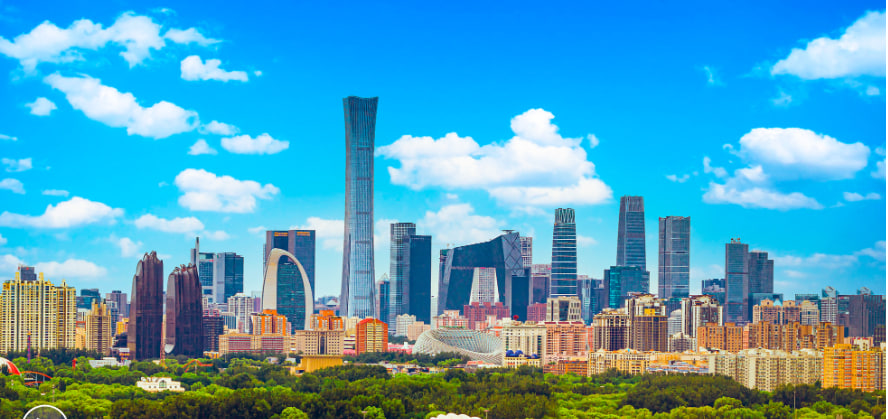
Beijing is not only China's capital but also the country's center of scientific and technological innovation. Since the 18th CPC National Congress, Beijing has made every effort to promote the construction of an international scientific and technological innovation center, strengthening coordination in this area with Tianjin and Hebei Province, and facilitating the growth of scientific and technological innovation in the region.
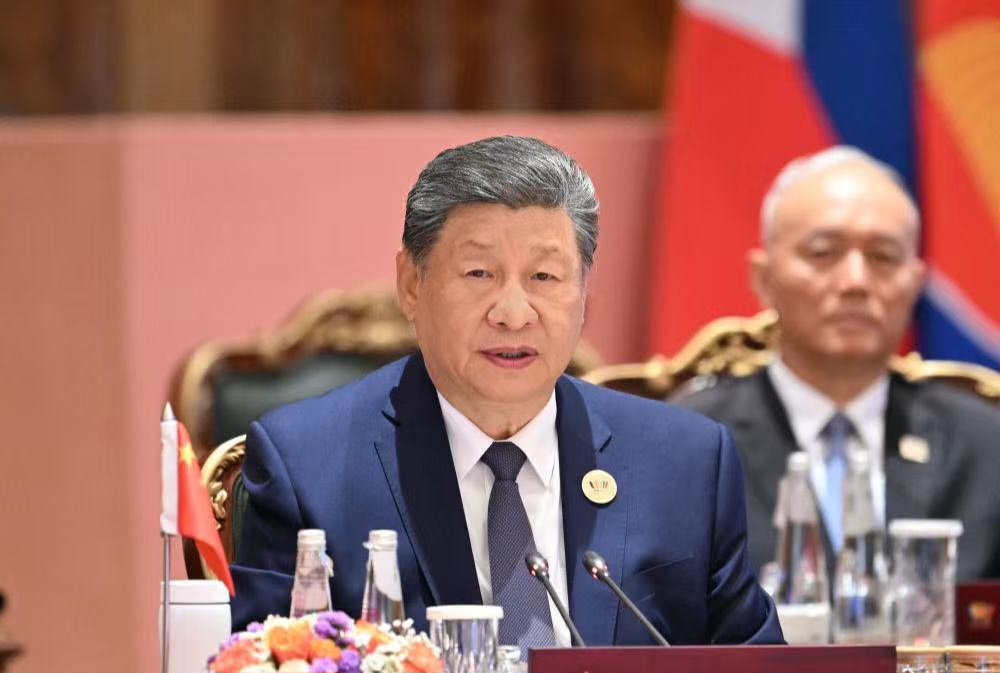
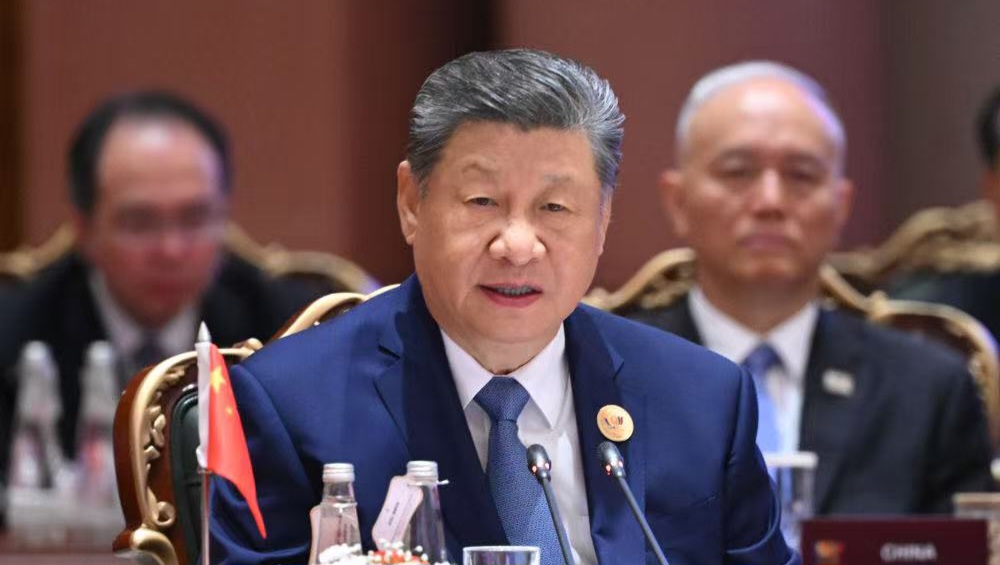
Beijing's premier technology district, Zhongguancun, occupies less than 4% of Beijing's land area, yet accounts for approximately a third of the city's gross regional product (GRP). The area is known as China's Silicon Valley, and for good reason: it is home to the headquarters of the country's leading tech companies, IT startup bases, and research and development centers. In 2025, Zhongguancun's total corporate revenue is expected to exceed 10 trillion yuan, or $1.4 trillion, for the first time. Chinese President Xi Jinping is closely monitoring the district's development. According to him, a focus on innovation is a general trend, and it is imperative to shift to an innovative development path and unlock the potential of scientific and technological innovation as soon as possible.
Yang Pu, Deputy Director of the Beijing Science and Technology Commission, said: "Chinese President Xi Jinping called on the Zhongguancun District leadership to accelerate Beijing's transformation into a world-class science and technology innovation center. He urges us to seize the opportunities of the new round of scientific and technological revolution and industrial change and make the best use of them."
Xi Jinping also emphasized the need to combine Beijing's scientific and technological innovation with Tianjin's advanced manufacturing and research capabilities to help Hebei Province better leverage the spillover effects of scientific, technological, and industrial transfers from Beijing and Tianjin. To date, Beijing, Tianjin, and Hebei have jointly funded more than 220 basic research cooperation projects and established an innovation consortium. At the recently concluded Central Economic Work Conference, the country's leaders decided to expand the Beijing International Science and Technology Innovation Center to the Beijing-Tianjin-Hebei region.
Professor Wan Zhe of Beijing Normal University: "The expansion of the Beijing International Science and Technology Innovation Center demonstrates that our country's strategy for scientific and technological innovation has shifted from a focused approach to a new model of regional integration and cooperation, and this represents a renewal of the national strategy."
The number of national advanced manufacturing clusters in the Beijing-Tianjin-Hebei region has now increased to seven, five of which were jointly built by the two cities and the province. A cooperation model of "Research and Development in Beijing and Transformation in Tianjin and Hebei" is being developed. In the future, the region will contribute even more to the development of China's science and technology through its efforts.
(Photo: VCG)