Translated with AI































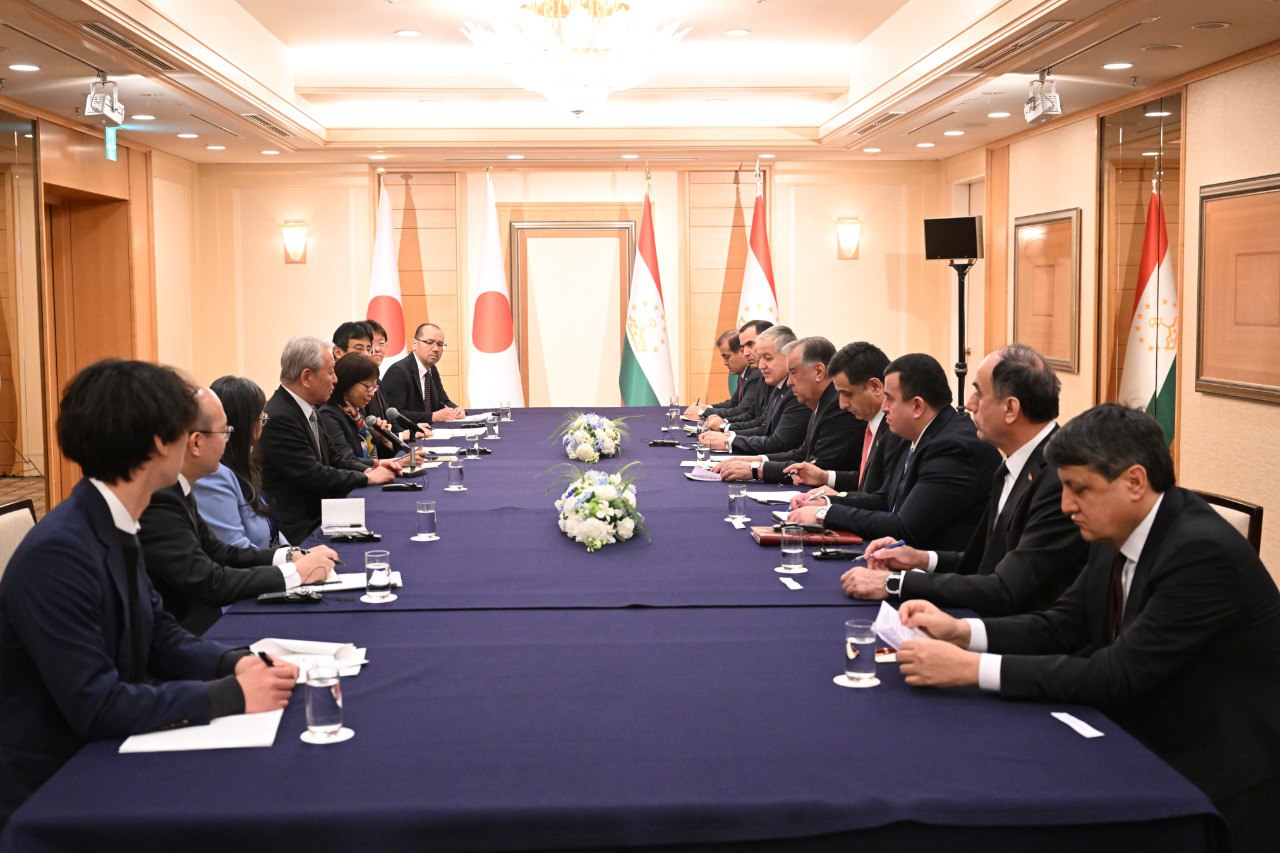
During his official visit to Japan, President of the Republic of Tajikistan Emomali Rahmon held a series of meetings in Tokyo with representatives of the Japanese parliament, government agencies, and business community.
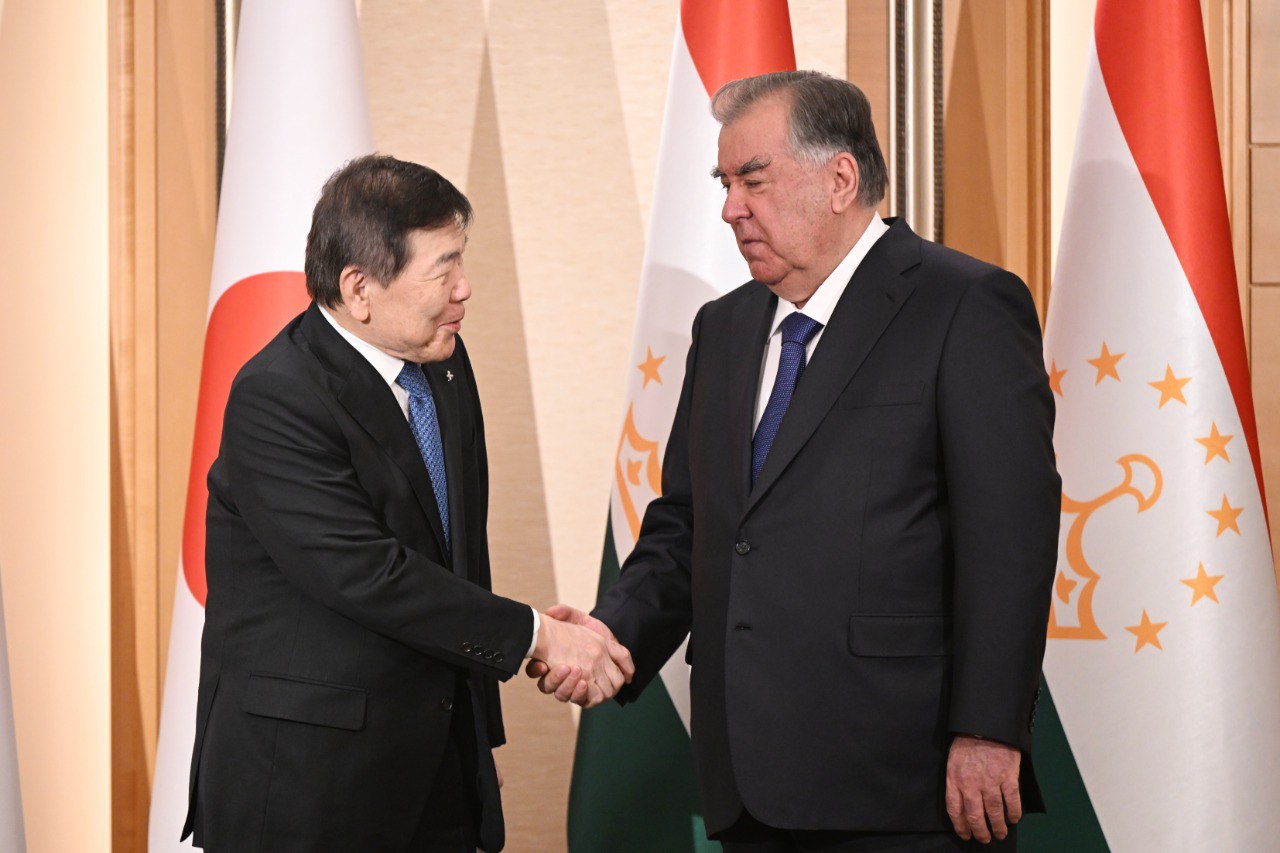
Emomali Rahmon met with Keiji Furuya, Chairman of the Tajikistan-Japan Inter-Parliamentary Friendship and Cooperation Group and member of the House of Representatives of Japan. The President of Tajikistan praised the inter-parliamentary group's contribution to strengthening friendship and expanding cooperation between Tajikistan and Japan, according to the press service of the President of Tajikistan.
During the meeting, considerable attention was paid to the implementation of various projects, including in energy, healthcare, science and education, transport, agriculture, and human resource development. The parties also discussed the development of cooperation in information technology, the creation of technology parks, support for business incubators and startups, and the training of highly qualified IT specialists.
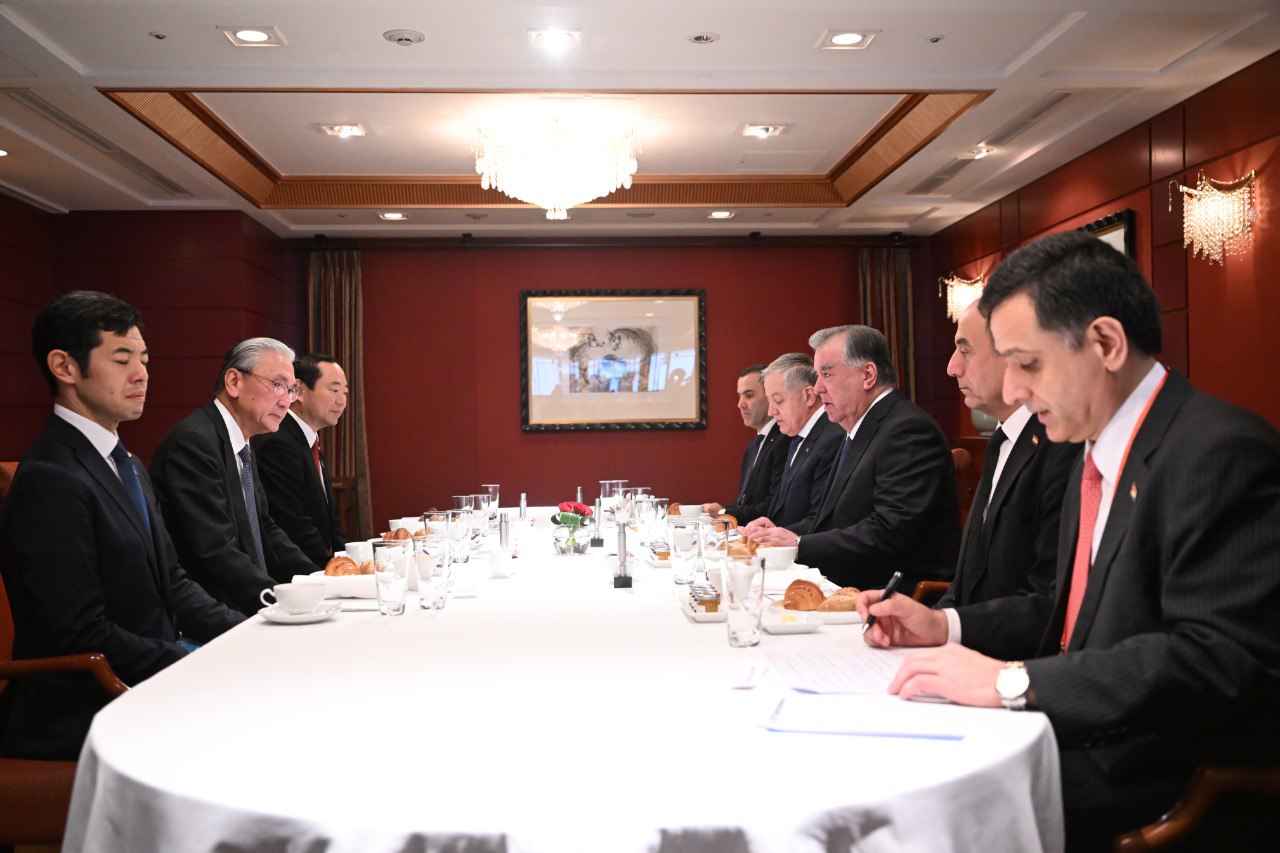
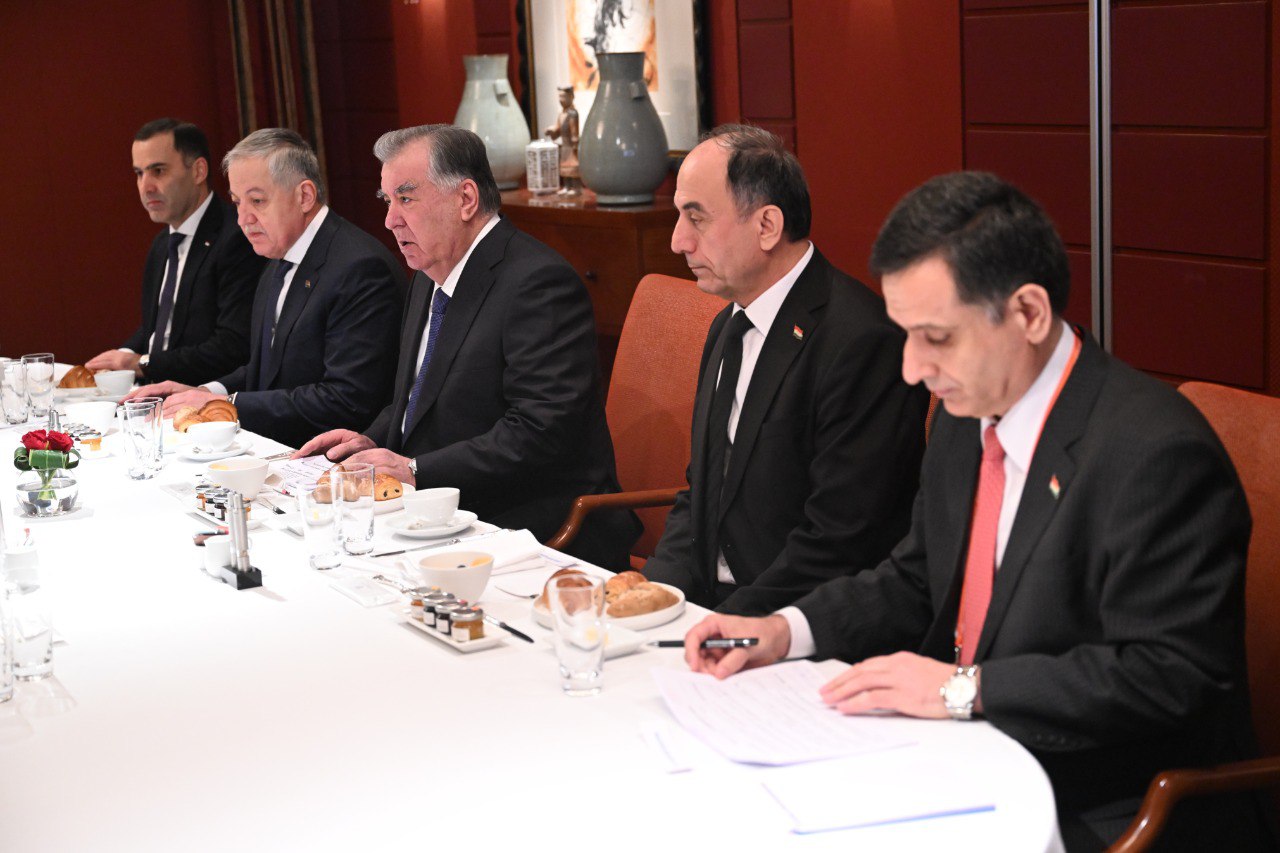
The humanitarian sphere was recognized as an important area of bilateral cooperation. Other topics of discussion included developing humanitarian exchanges, increasing quotas for Tajik citizens to study at Japanese universities, and expanding the range of educational courses.
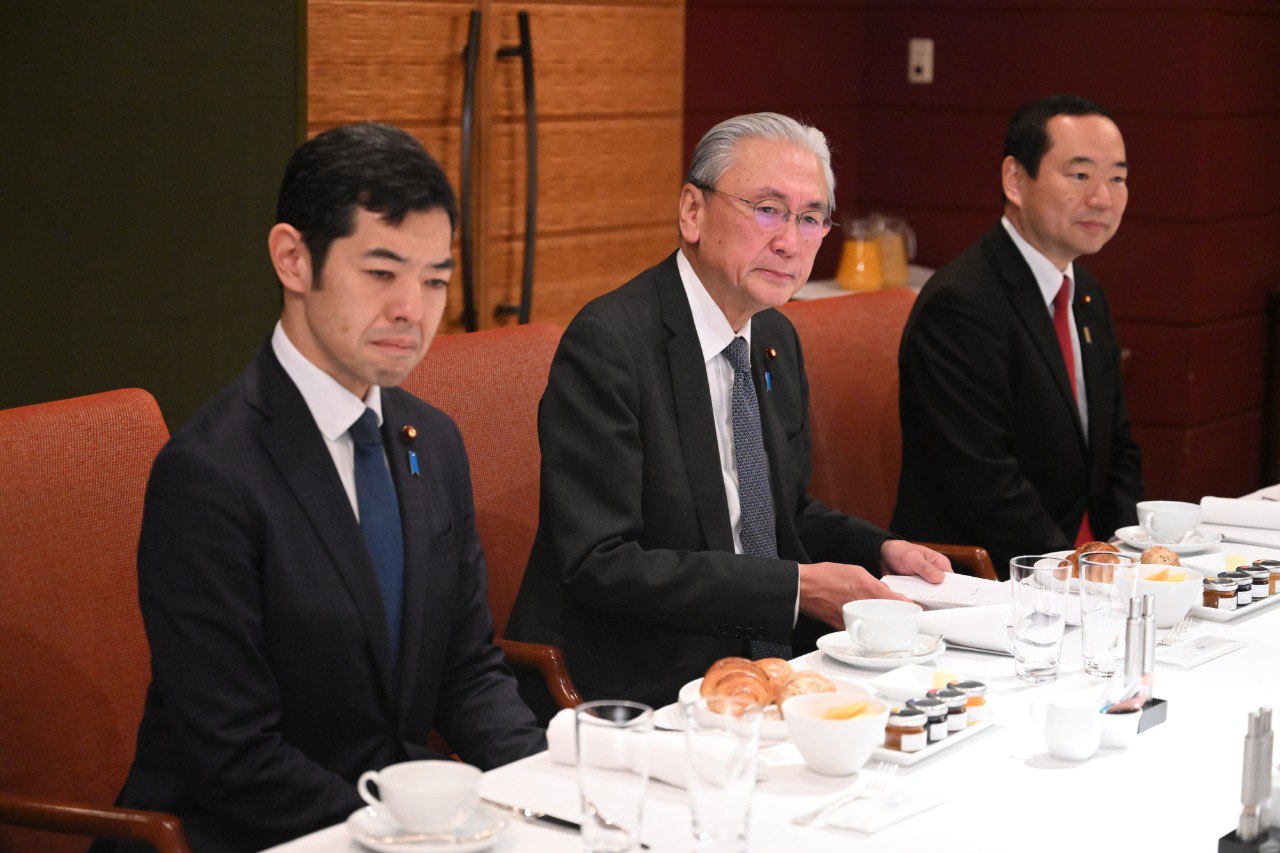
During his visit, Emomali Rahmon also met with Akihiko Tanaka, President of the Japan International Cooperation Agency (JICA). The Tajik President emphasized that Tajikistan highly values the level of cooperation with Japan through JICA.
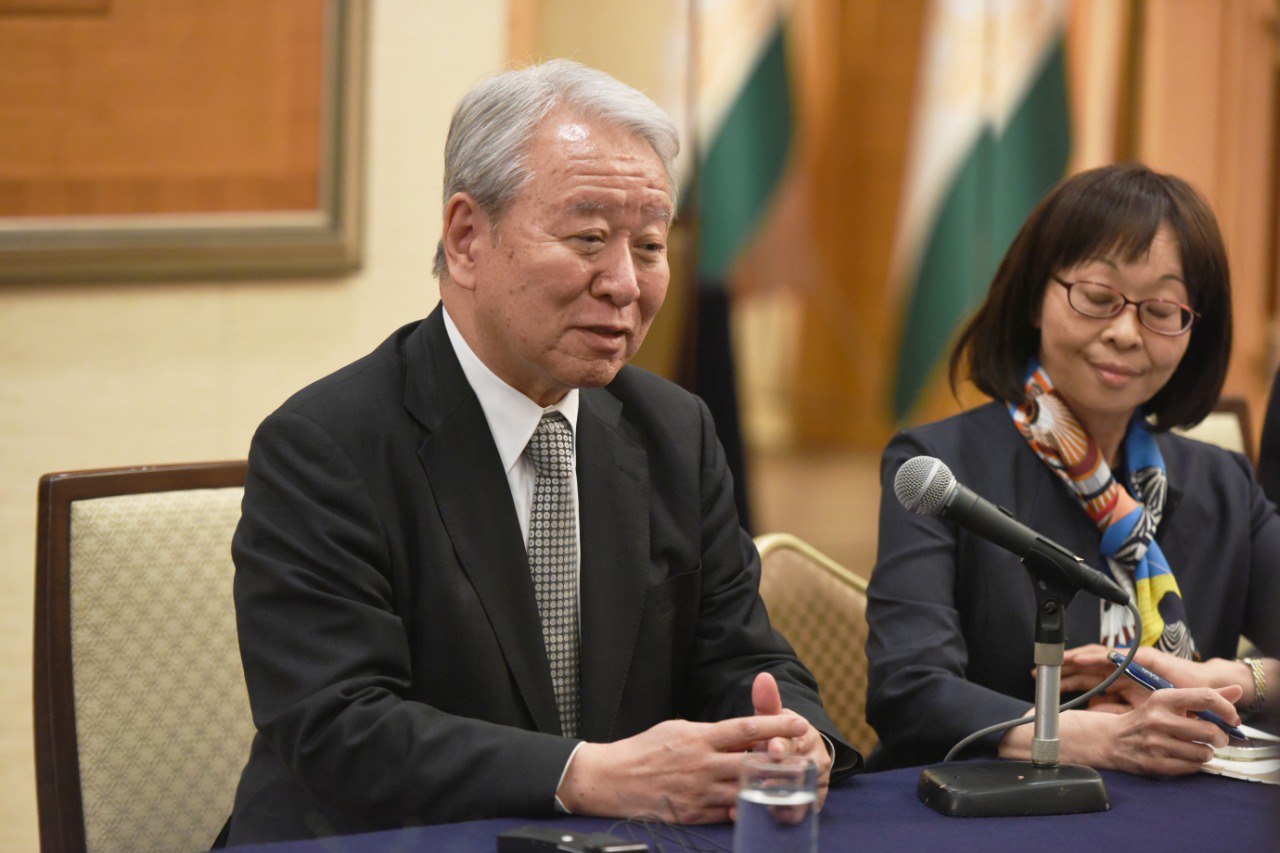
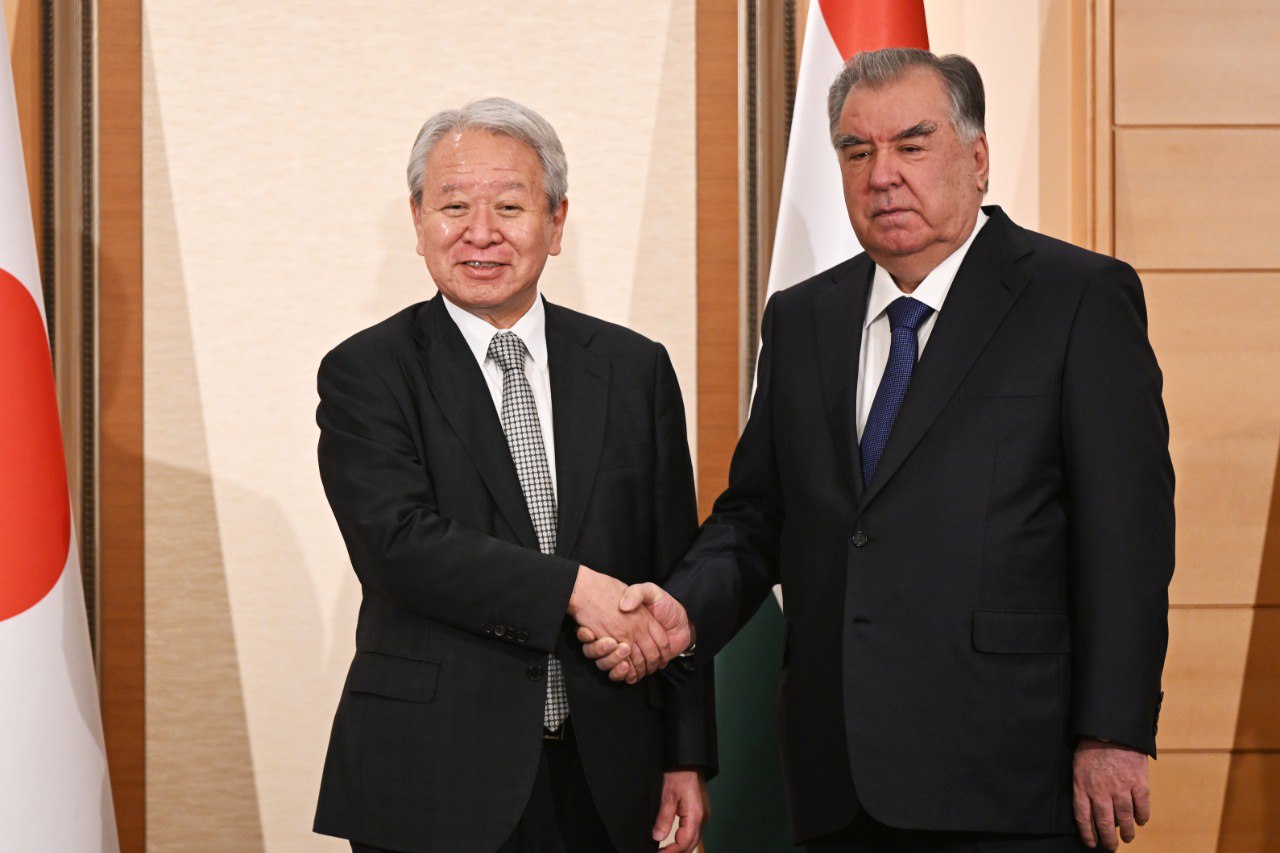
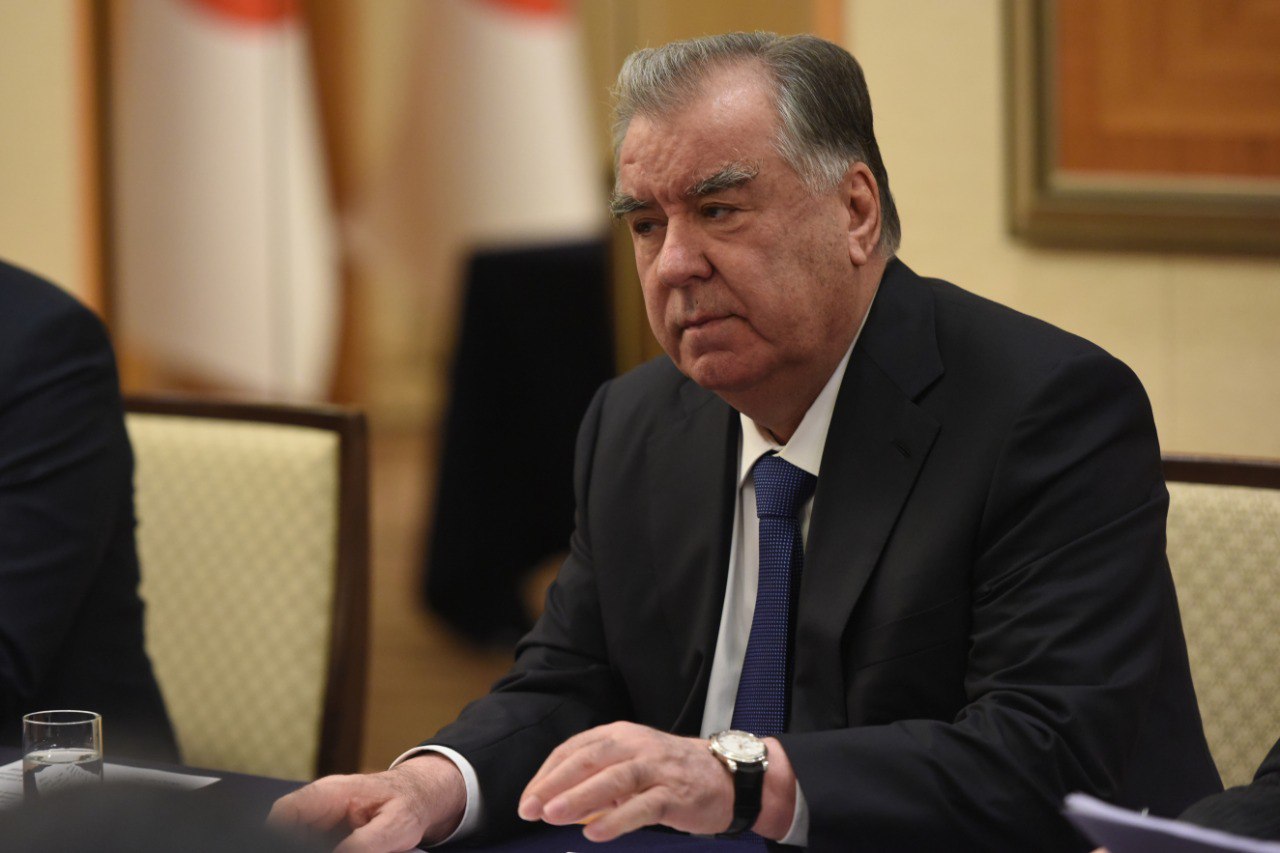
The parties placed significant emphasis on developing cooperation in key areas of Tajikistan's national economy, including the implementation of joint projects in industry, transport, energy, agriculture, water supply, education, and healthcare. The signing of two new grant agreements for projects to construct a substation and modernize cargo scanning equipment at a customs post was welcomed.
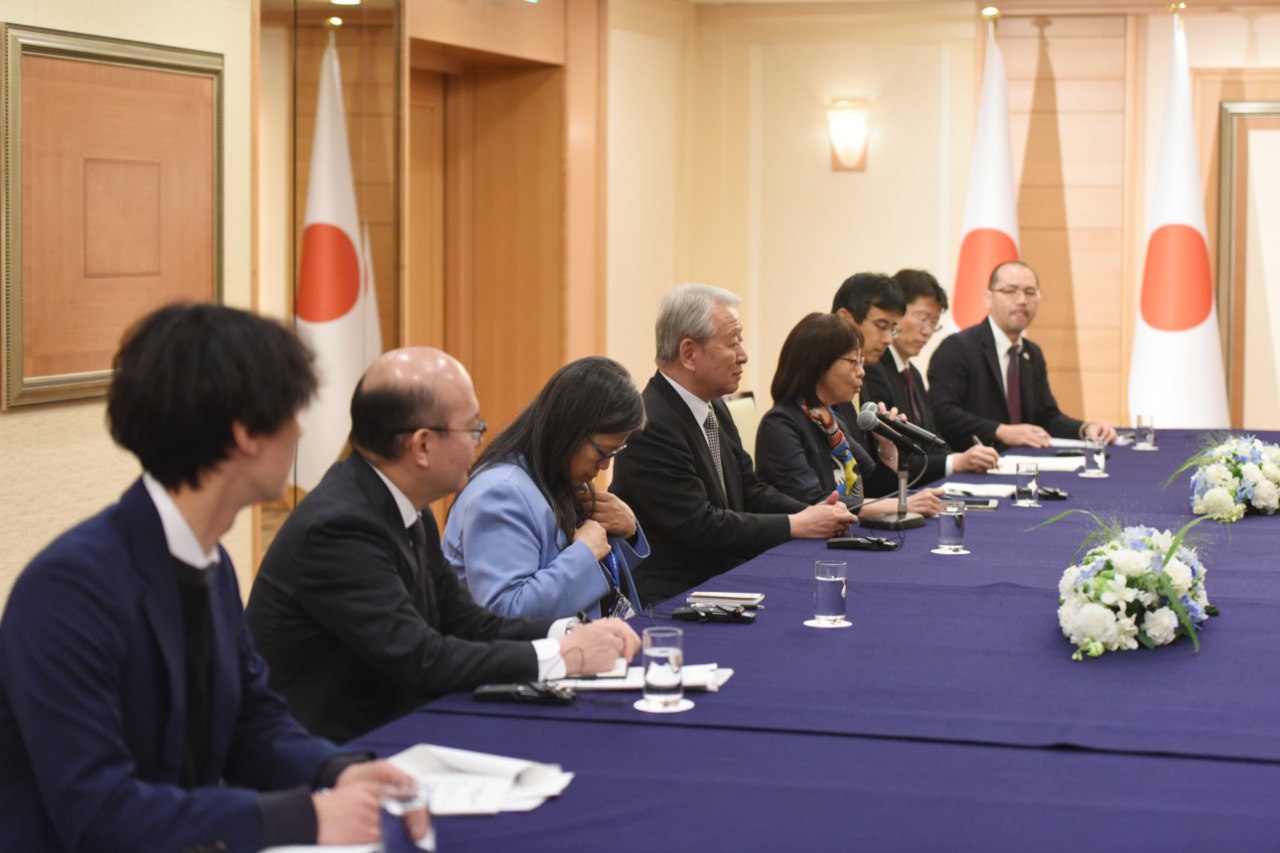
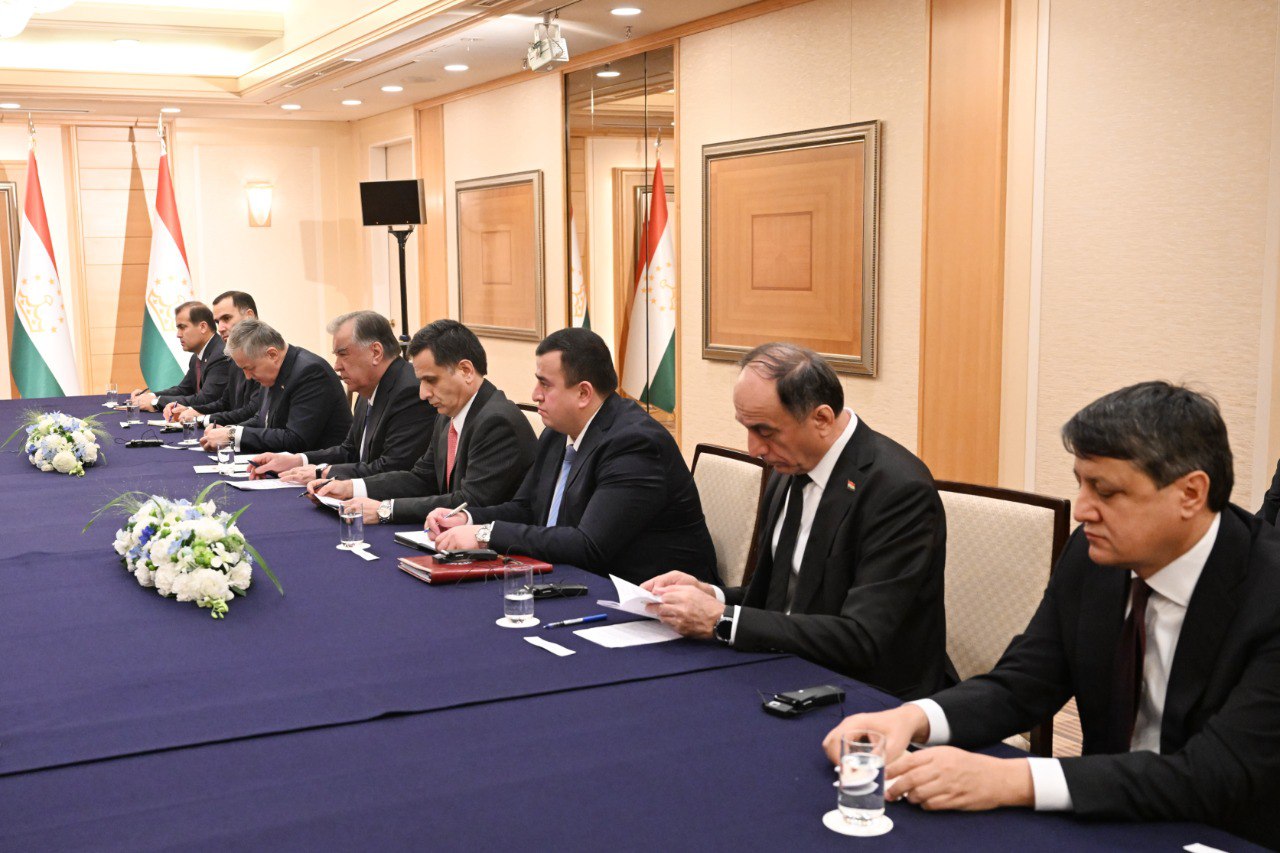
Other topics of discussion included attracting Japanese direct investment, including concessional yen loans. The development of green energy was identified as a promising area of cooperation. Interest was expressed in expanding the JDS program's coverage in medicine, nanotechnology, information technology, aviation technology, information security, and environmental protection, as well as in establishing a Tajik-Japanese innovation and digital technology center in Tajikistan.
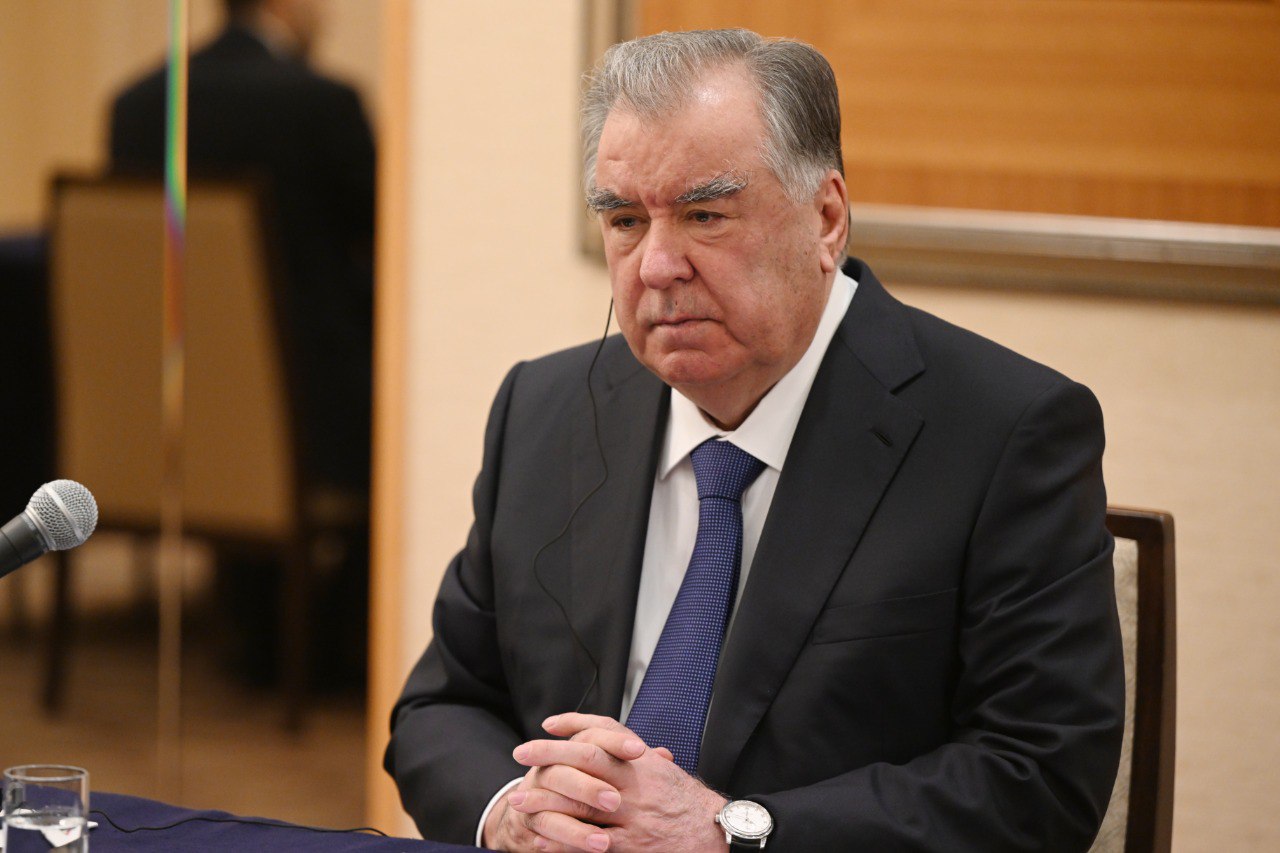
Emomali Rahmon also met with Masami Iijima, President of the Japan Association for Trade with Russia and the Newly Independent States (ROTOBO), in Tokyo. They discussed promising areas of cooperation between Tajikistan and Japan.
The President of Tajikistan called the Japan Trade Association an important mechanism for expanding economic and trade ties between the two countries. It was emphasized that Tajikistan possesses unique natural resources, a favorable geographical location, and significant human potential, making the country promising for the development of logistics and production chains.
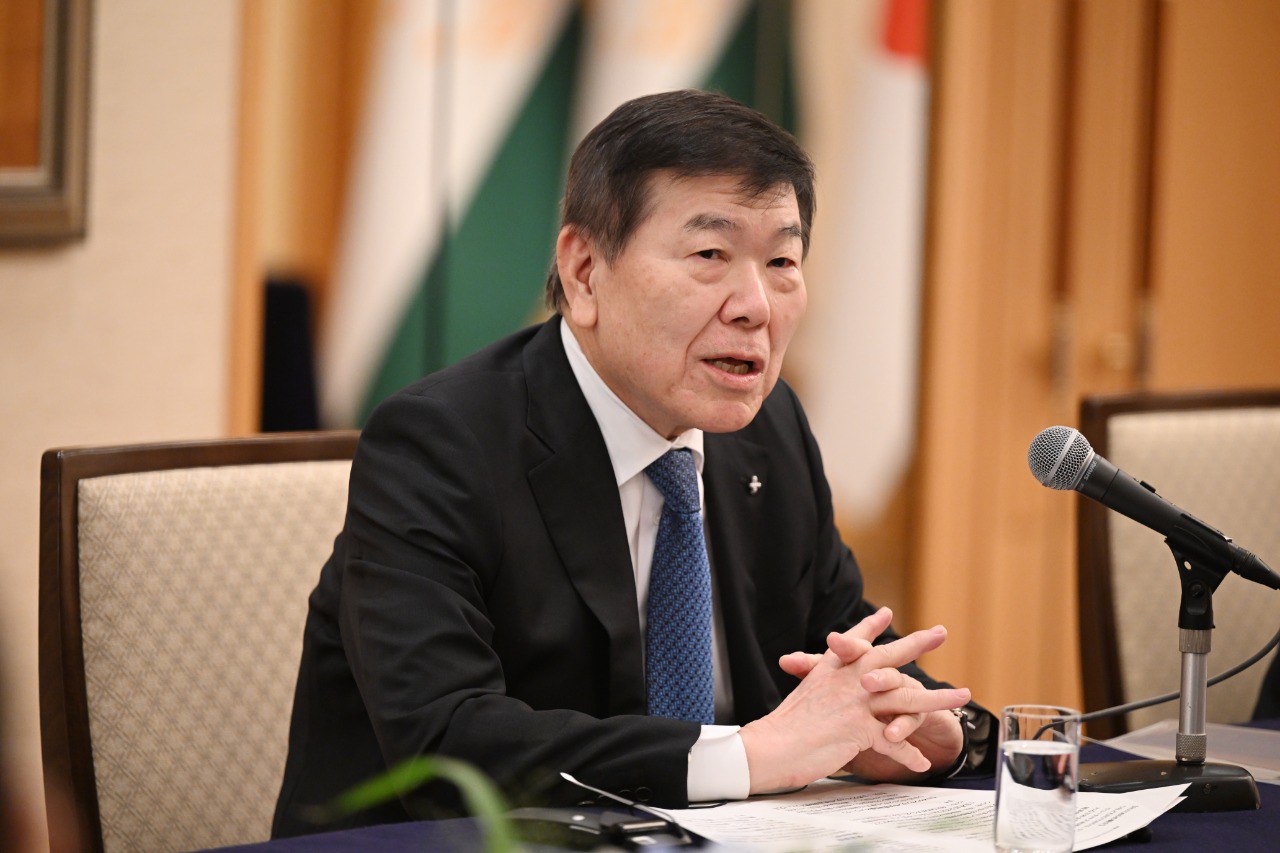
Much attention was paid to issues of agricultural processing, expansion of the textile industry, development of banking, and the application of artificial intelligence and pharmaceuticals. The association was invited to participate in the construction of small hydroelectric power plants, solar and wind power plants, the modernization of existing energy facilities, and the creation of joint ventures.
The cultivation of environmentally friendly produce, including fruits, grapes, legumes, and medicinal plants, was recognized as an important area of cooperation. Favorable conditions for the creation of industrial enterprises and the use of mineral raw materials and energy resources were also discussed.
During his visit, Emomali Rahmon also met with Ichi Takahara, Executive Director of the Japan Organization for the Safety of Metallurgical and Energy Industries (JOGMEC). At the outset of their conversation, the President of Tajikistan noted Tajikistan's interest in collaborating with the organization on projects in the energy and mining sectors.
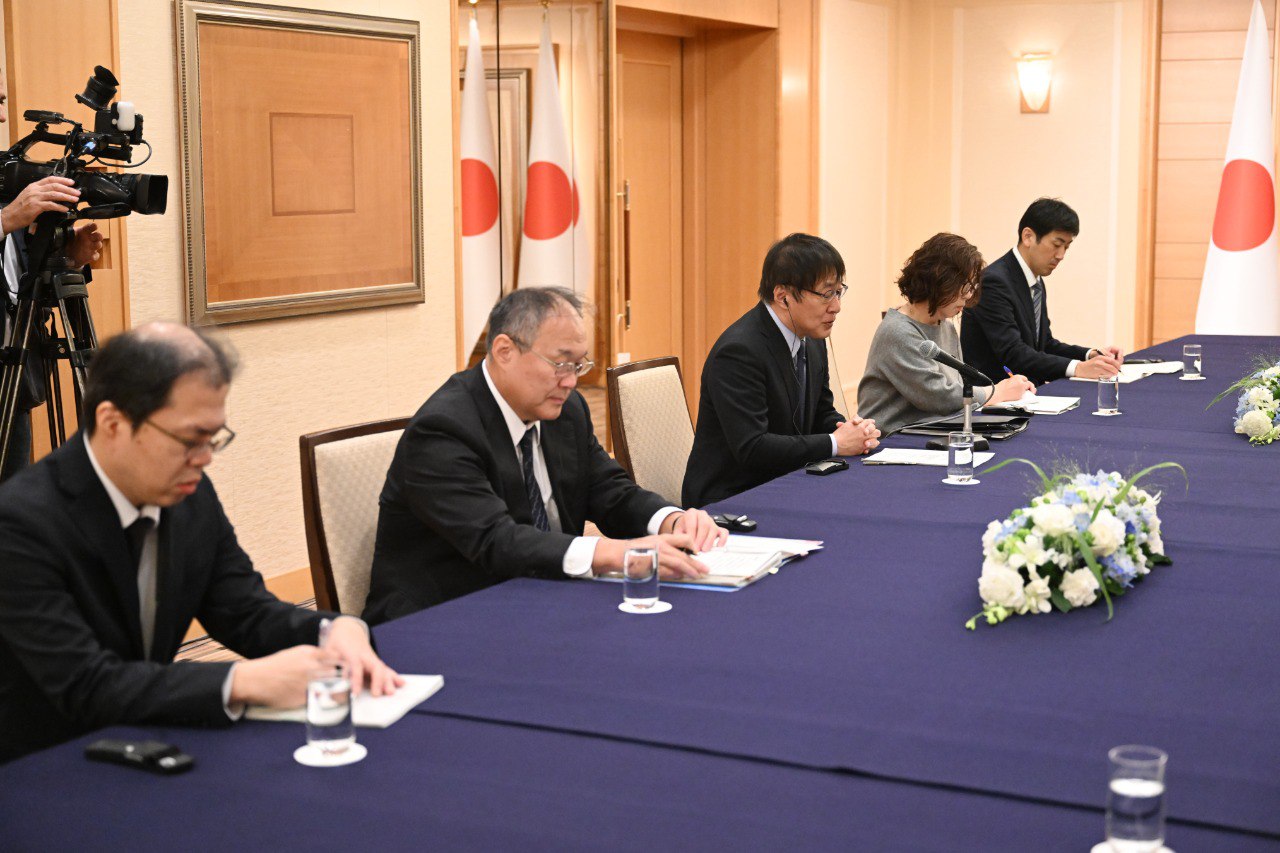
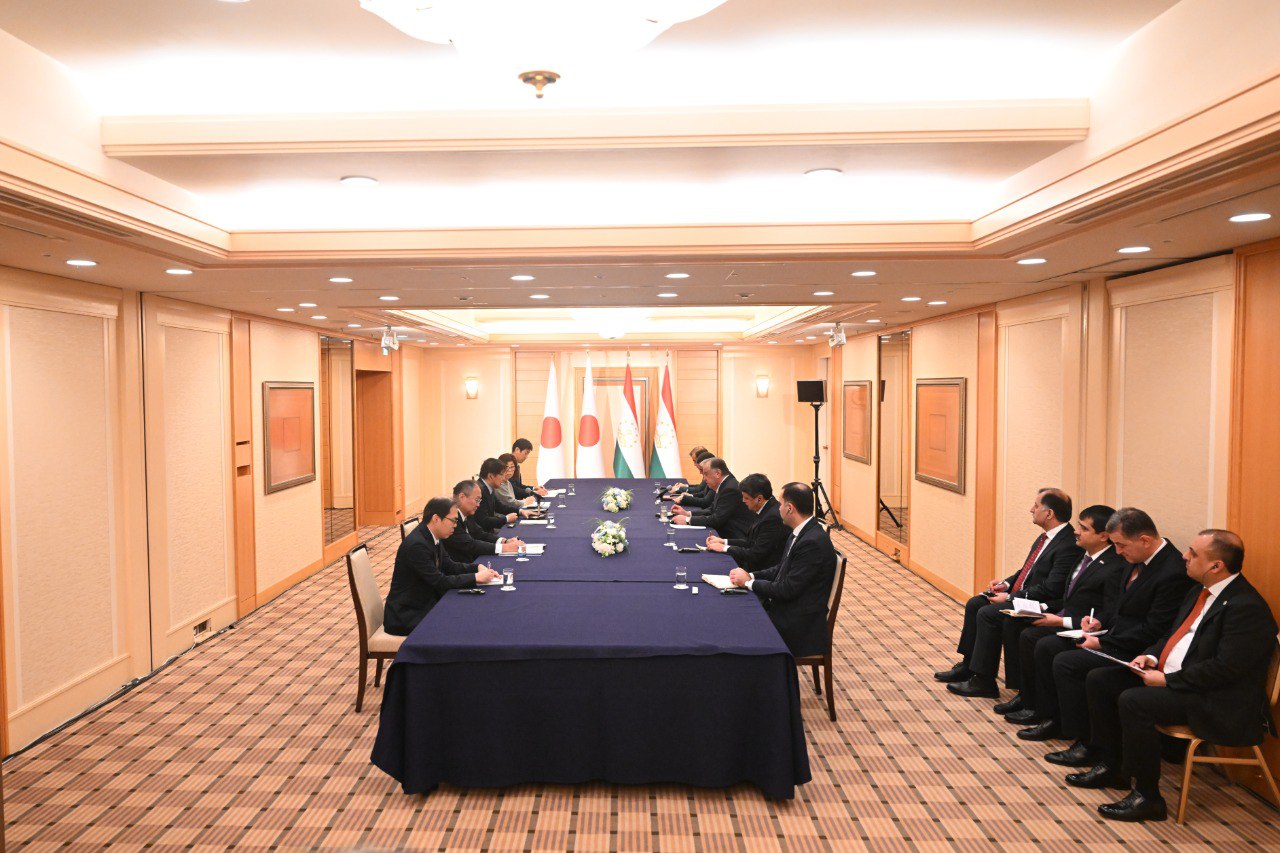
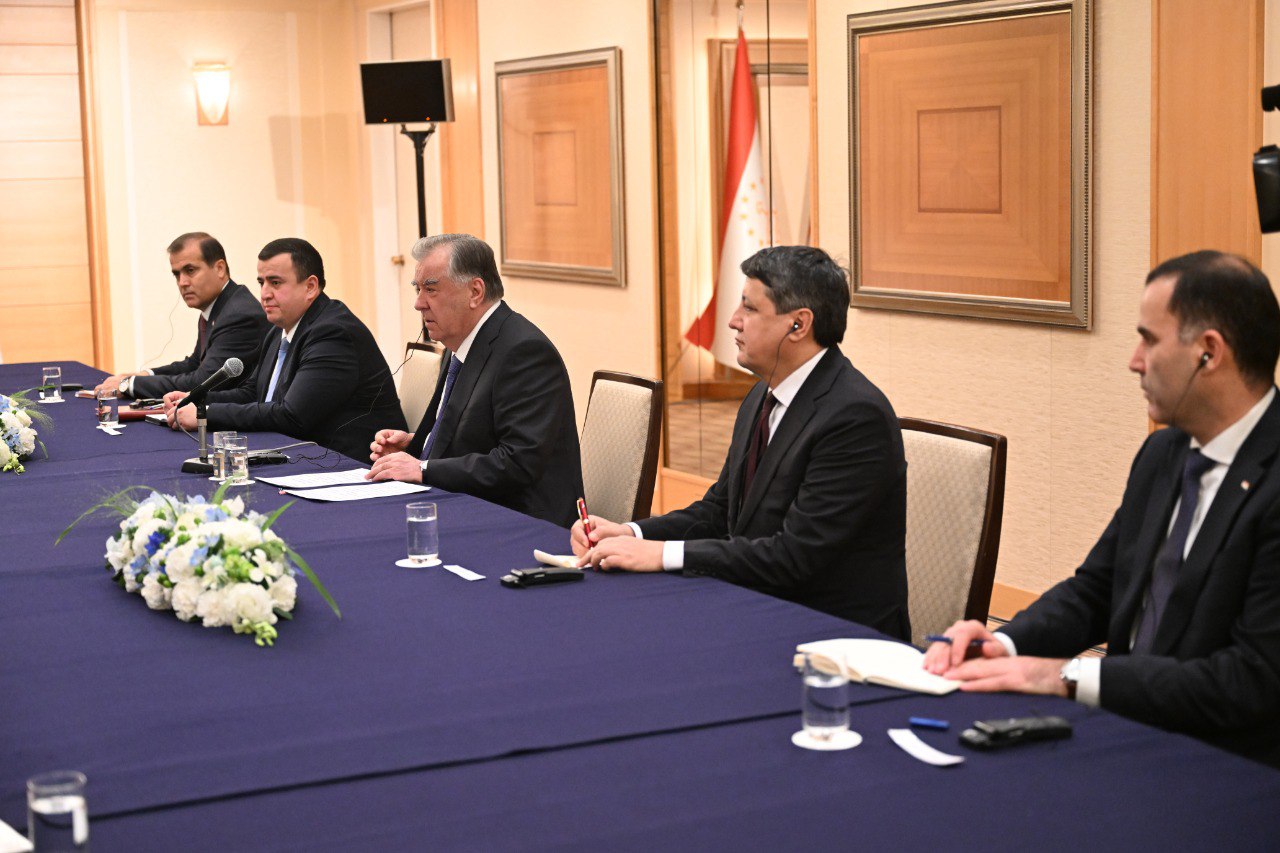
The parties placed significant emphasis on leveraging Tajikistan's industrial potential, modernizing mineral extraction and processing technologies, and establishing joint production ventures. They also considered it essential to establish practical cooperation in implementing renewable energy projects, leveraging investment and new technologies.
The President of Tajikistan emphasized the interest of Japanese companies in actively participating in the implementation of green technologies in Tajikistan. The Japan Organization for Safety of Metallurgical and Energy Industries was invited to establish joint cooperation with government agencies, universities, and research institutes in Tajikistan in the field of mineral exploration and development.