Translated with AI































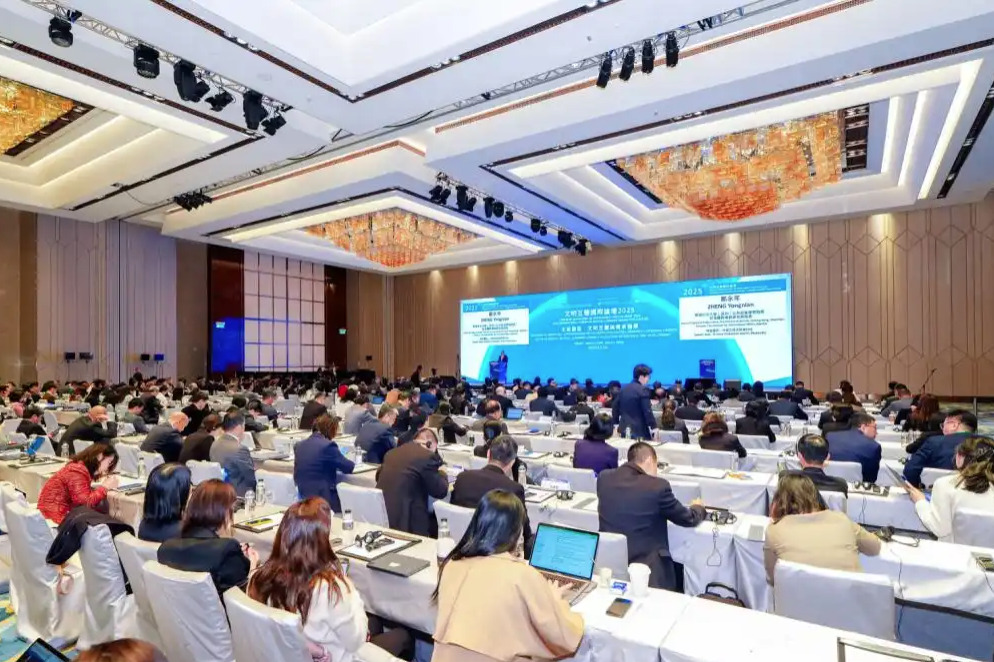
The first International Forum on Mutual Learning among Civilizations, held in Macau on Tuesday and Wednesday, emphasized the importance of continuous dialogue between countries and cultures to prevent misunderstanding, isolation, and fragmentation in the global community. The event also introduced the "Macau Initiative," aimed at strengthening international civilizational cooperation.
The initiative was presented by Leon Wyman, President of the Cultural Affairs Bureau of the Macao Special Administrative Region Government, at the closing ceremony of the two-day forum. The document includes five key areas: global civilizational dialogue, open exchange, heritage preservation, youth outreach, and digital innovation, as well as the creation of a platform for promoting China's Global Civilization Initiative.
"The key to civilizational dialogue lies in recognizing differences and finding common ground, not in imposing uniformity. Macao's mission is to support dialogue among civilizations," Leong stated in her closing remarks.
Forum participants from around the world noted the importance of cultural diversity as a key factor in sustainable development and social harmony. Elhadj Ahmed Khaled, Associate Professor of Chinese Language and Literature at the University of Carthage in Tunis, emphasized that the Chinese philosophy of "harmony without uniformity" is closely linked to Tunisian cultural traditions. He noted that Chinese language teaching has been practiced in Tunisia for over 40 years and is enjoying growing interest among local youth.
He also drew attention to the ongoing influence of Western media on the Arab and African worlds, which, in his opinion, often distorts China's image and promotes the concept of a "clash of civilizations." "People are born similar in nature, but they drift apart due to different habits. Civilizations are not destined to clash. Distance arises from misperceptions, but it can be bridged through dialogue and the exchange of experiences," he emphasized.
Verónica Noelia Flores, a professor and researcher at the National Council for Scientific and Technological Research of Argentina, noted the importance of culture in restoring social cohesion and community values. She emphasized that international forums must create space for imagining alternative worlds and futures that respect culture, diversity, and intercultural dialogue.
Raddi Eryeyanto, a tourism and cultural heritage activist from the Indonesian city of Semarang, shared his practical experience of cooperating between cultural heritage preservation and ensuring the city's economic viability. He noted that Semarang has invested heavily in the revitalization of its historic Chinatown, creating a vibrant cultural hub where historical heritage harmoniously coexists with the evolving urban landscape.
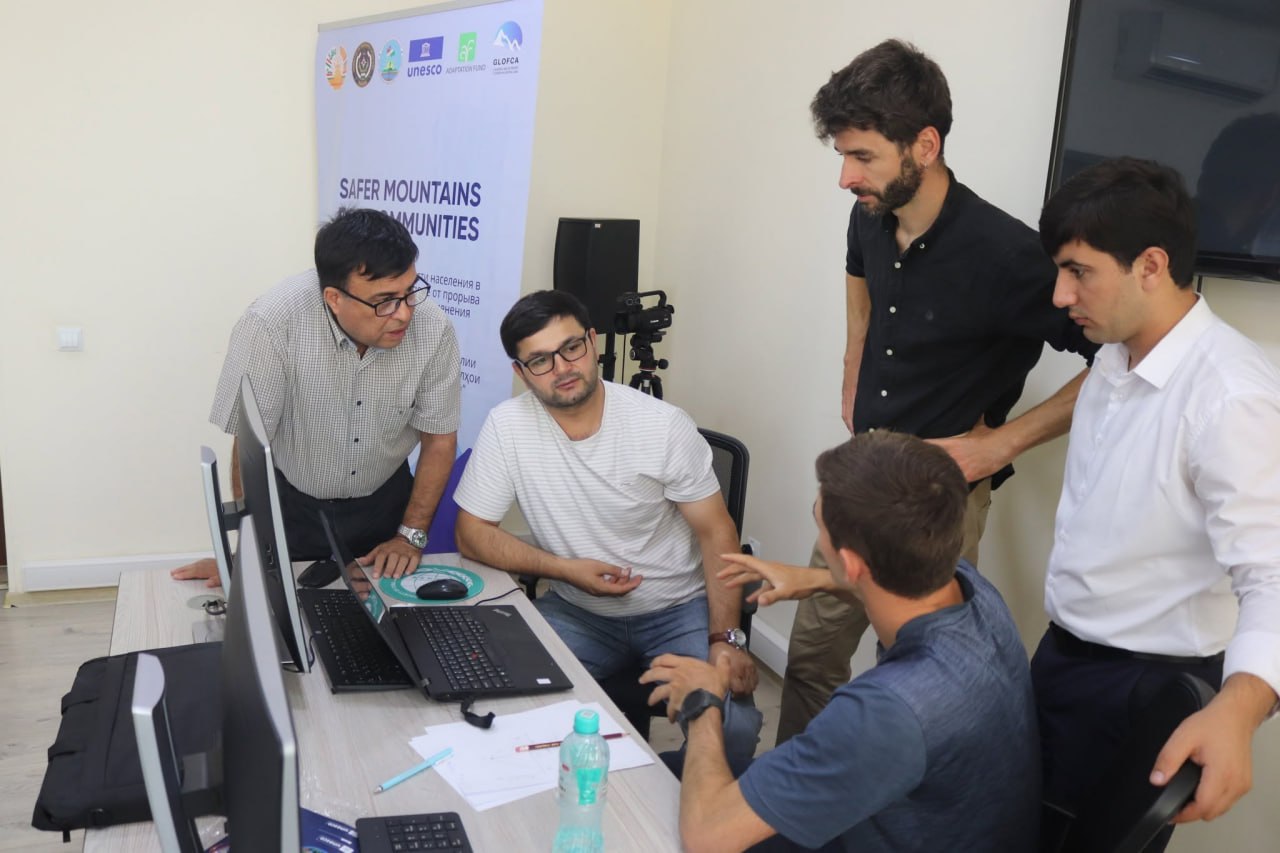
Mario Santana Quintero, professor at Carleton University in Canada and co-chair of the UNESCO Working Group on Digital Twins for World Heritage Preservation, noted the importance of international organizations and the public's participation in the preservation of cultural heritage. He emphasized the need to use accessible and effective digital technologies at minimal cost to prevent new inequalities and ensure the preservation of the diversity of world civilizations.
The forum was organized by the Macao Special Administrative Region Government with the support of the Cultural Affairs Bureau of the Macao Special Administrative Region Government and the Chinese Academy of History under the Chinese Academy of Social Sciences. The event brought together international experts and specialists from North Africa, Latin America, Southeast Asia, and Europe, who agreed that cultural diversity is a source of strength, and that continuous and open dialogue between civilizations is the key to stability and mutual understanding in the world.