Translated with AI




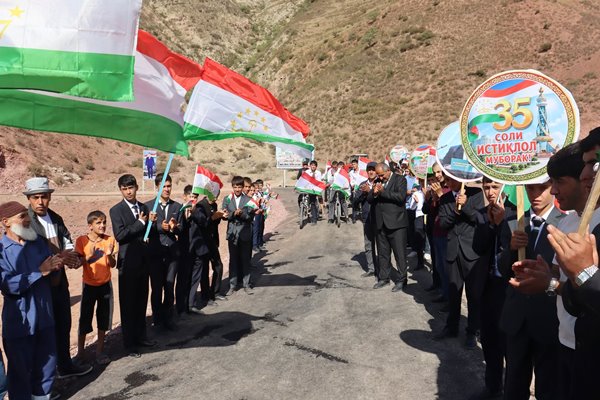









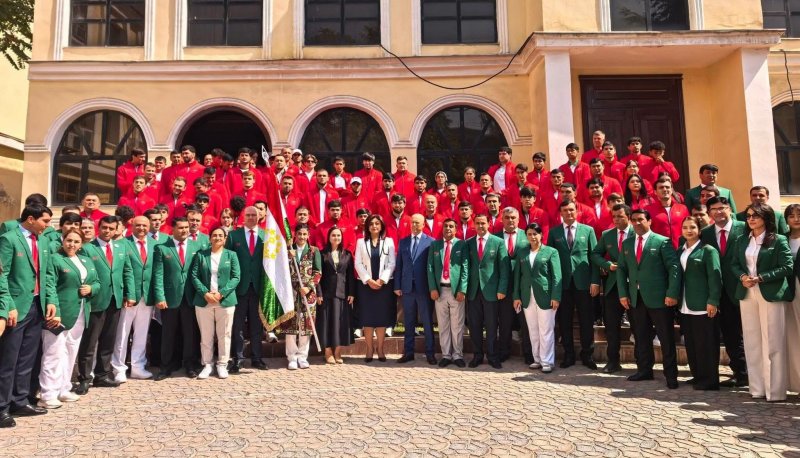









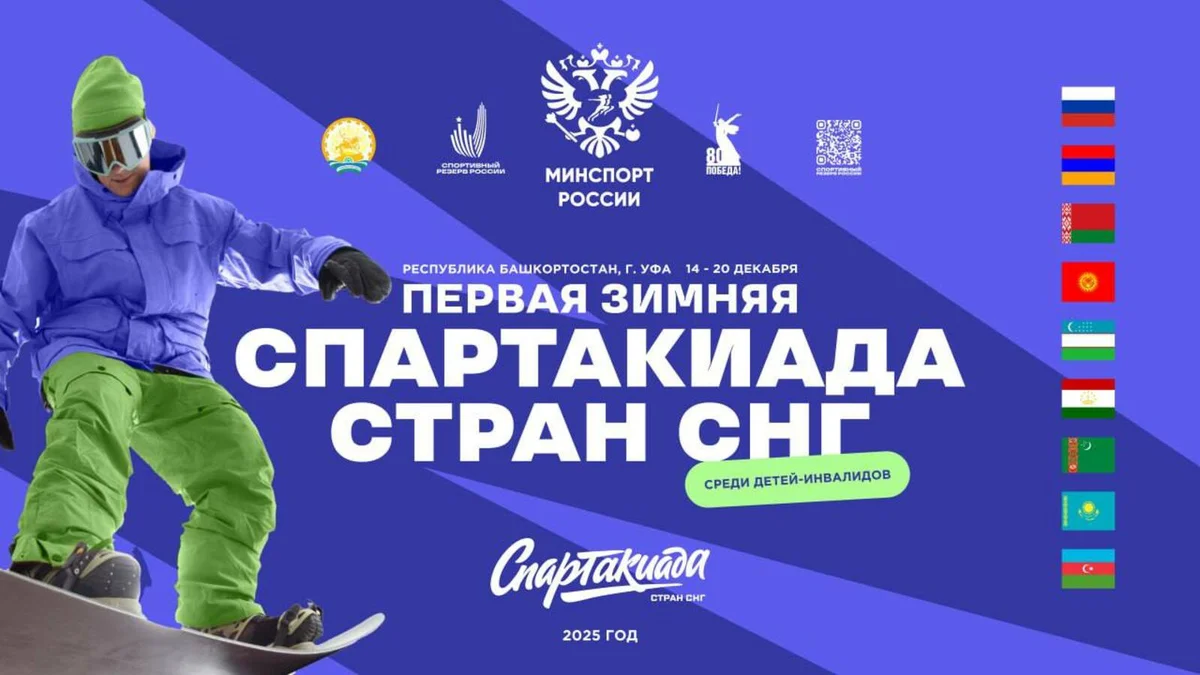
From December 14 to 20, 2025, the capital of the Republic of Bashkortostan, Russia, will host the 1st CIS Winter Spartakiad for children with disabilities. Approximately 100 participants are participating in the competition. Teams from the Republic of Belarus, the Republic of Kazakhstan, the Kyrgyz Republic, the Russian Federation, and the Republic of Tajikistan will compete, according to the press service of the Organization's Executive Committee.
The Spartakiad program includes competitions in three areas: sports for individuals with musculoskeletal disabilities, sports for the deaf, and sports for the blind. Athletes will compete in five disciplines: cross-country skiing, alpine skiing, snowboarding, curling, and chess.
The diversity of sports allows for a large number of participants and promotes the development of adaptive sports among children with disabilities.
As part of the Spartakiad, a strategic session, "Development of Adaptive Physical Culture and Sports in Russia and the CIS," is planned for December 16. The session will focus on promoting sports for people with disabilities. The plenary session will feature presentations by leading experts and Paralympic athletes, as well as an exchange of practical experience between representatives of the Spartakiad participating countries.
The session will be attended by the President of the Russian Deaflympic Committee Robert Dzantiev, the Secretary General of the Russian Paralympic Committee and five-time Paralympic champion Andrei Strokin, four-time champion of the 2010 Winter Paralympic Games Irek Zaripov, member of the Russian Paralympic shooting team, master of sports Andrei Kozhemyakin, and others.
Mikhail Gusev, Director of the Federal Center for the Training of Sports Reserves, emphasized that holding such tournaments promotes social adaptation and integration for children with disabilities. He noted that Spartakiad participants will not only be able to compete for victory and test their strength, but also make new connections. Experts will also exchange experiences, opinions on the organization of the training process, and various methodological developments. According to him, the Spartakiad will become an important platform for the further development of adaptive sports in the CIS countries.