Translated with AI










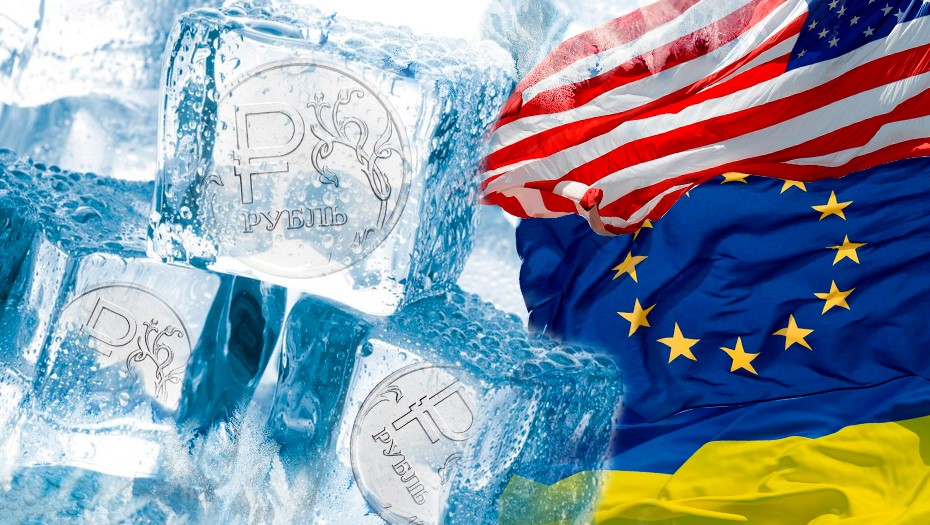
The European Union has decided to permanently ban the return of frozen Russian assets, including approximately €210 billion in Russian Central Bank funds held in the EU, Reuters reported.
According to Deutsche Welle, the decision was adopted by a majority of EU member states in a written vote. The Danish EU Presidency announced the decision on Friday, December 12. The new mechanism eliminates the need for unanimous approval of sanctions every six months and deprives individual member states of the ability to secure the release of assets through veto power.
Currently, the Central Bank of Russia's funds are frozen under the EU sanctions regime. This decision is seen as the first step toward creating a legal framework for the use of Russian state assets in Ukraine's interests. Specifically, this would allow for the provision of long-term loans to Kyiv using the proceeds from these assets, with the condition that they be returned to Russia only upon payment of reparations after the conflict ends.
To implement the initiative, Germany and other EU member states are relying on Article 122 of the Treaty on the Functioning of the European Union, which provides for decision-making by qualified majority in the face of severe economic difficulties. The draft EU legal act states that ongoing hostilities pose significant economic challenges, and the transfer of funds to Russia must be urgently prevented to limit the damage to the EU economy.
The document is planned to be approved before the upcoming EU summit, which will take place next week.
Particular attention is being paid to Belgium's position, without which the plan's implementation is considered extremely difficult. According to the European Commission, approximately €185 billion of the €210 billion in Russian assets frozen in the EU are managed by the Belgian clearing company Euroclear. The remaining funds are held in Germany, France, Sweden, and Cyprus.
The Belgian government is currently blocking the initiative, citing potential legal and financial risks, including the possibility of retaliatory measures from Russia, including the expropriation of assets of European companies and individuals. Belgian Prime Minister Bart de Wever previously set three conditions for supporting the plan: collective responsibility of all EU countries for potential risks, the availability of sufficient financial guarantees from the first day of the initiative's implementation, and comprehensive protection of the liquidity and interests of individuals and companies affected by the decision. He also insisted on the participation of all EU countries in which the frozen assets of the Russian Central Bank are located.