Translated with AI







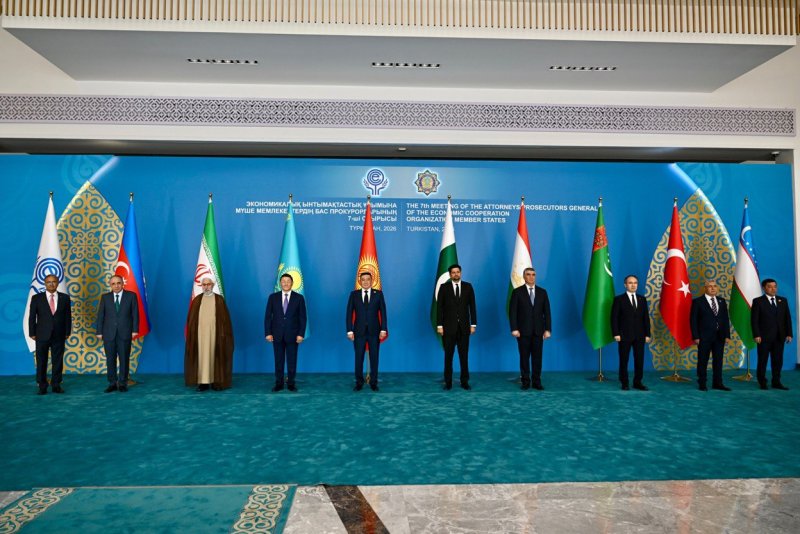

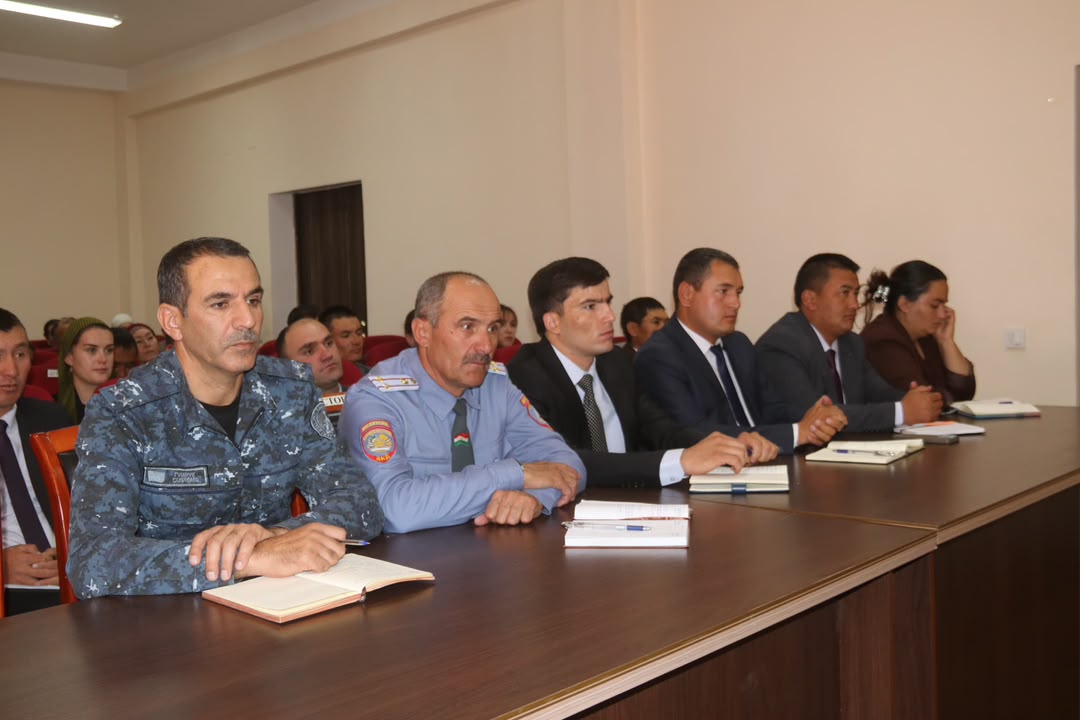















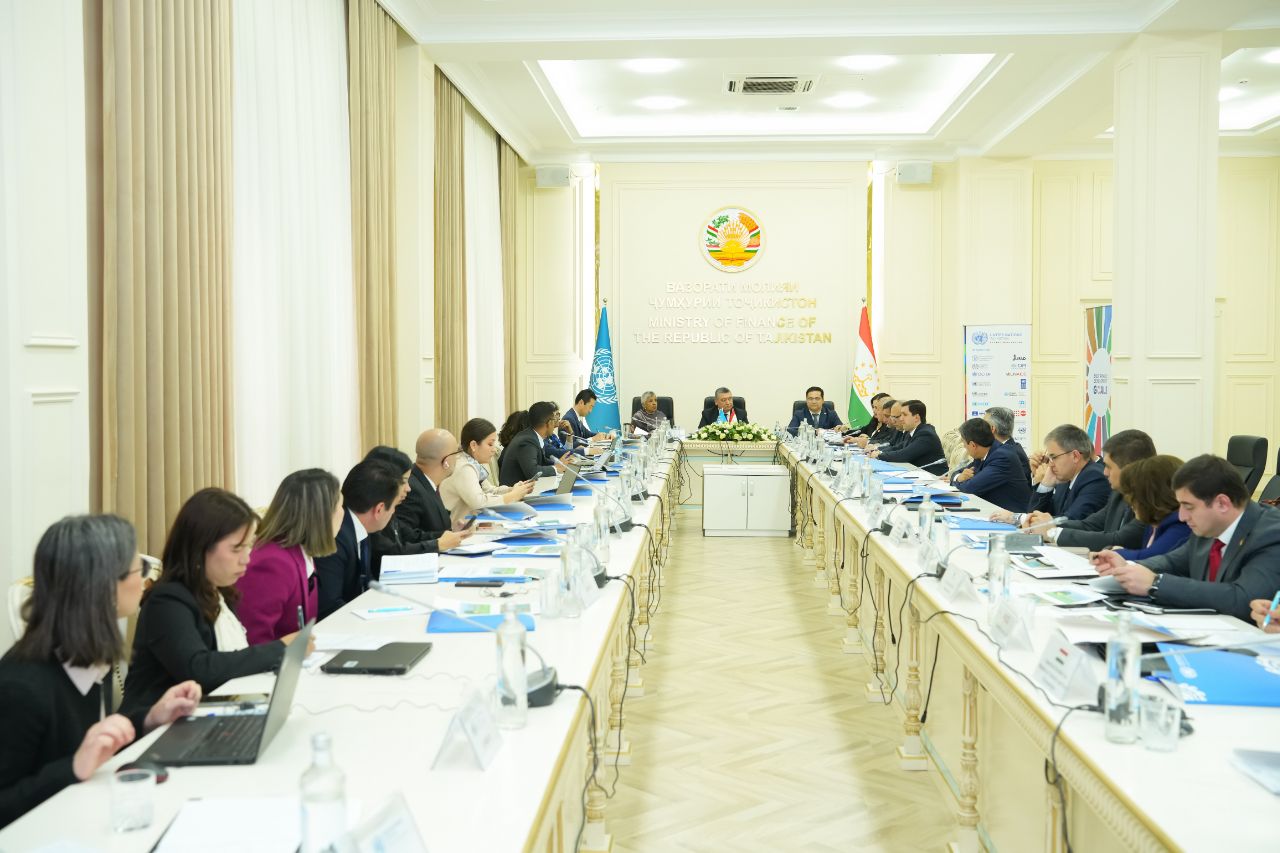
The Ministry of Finance of the Republic of Tajikistan, together with the Office of the UN Resident Coordinator in Tajikistan, held a high-level strategic consultation on sustainable financing in Dushanbe. The event was attended by senior representatives of government agencies, international organizations, and financial institutions.
The main objective of the consultation was to discuss key challenges and opportunities for securing funding for national priorities, as well as to promote sustainable mechanisms for raising funds within the framework of cooperation with all partners.
Opening the meeting, Nematullo Hikmatullozoda, Assistant to the President of the Republic of Tajikistan on Economic Issues, emphasized that sustainable financing is a critical tool for implementing the National Development Strategy for 2016–2030, the Green Economy Strategy for 2023–2037, and the country’s international climate commitments. He stated that the introduction of sustainable financing mechanisms will allow resources to be channeled into priority areas—from renewable energy to climate change adaptation—ensuring improved well-being.
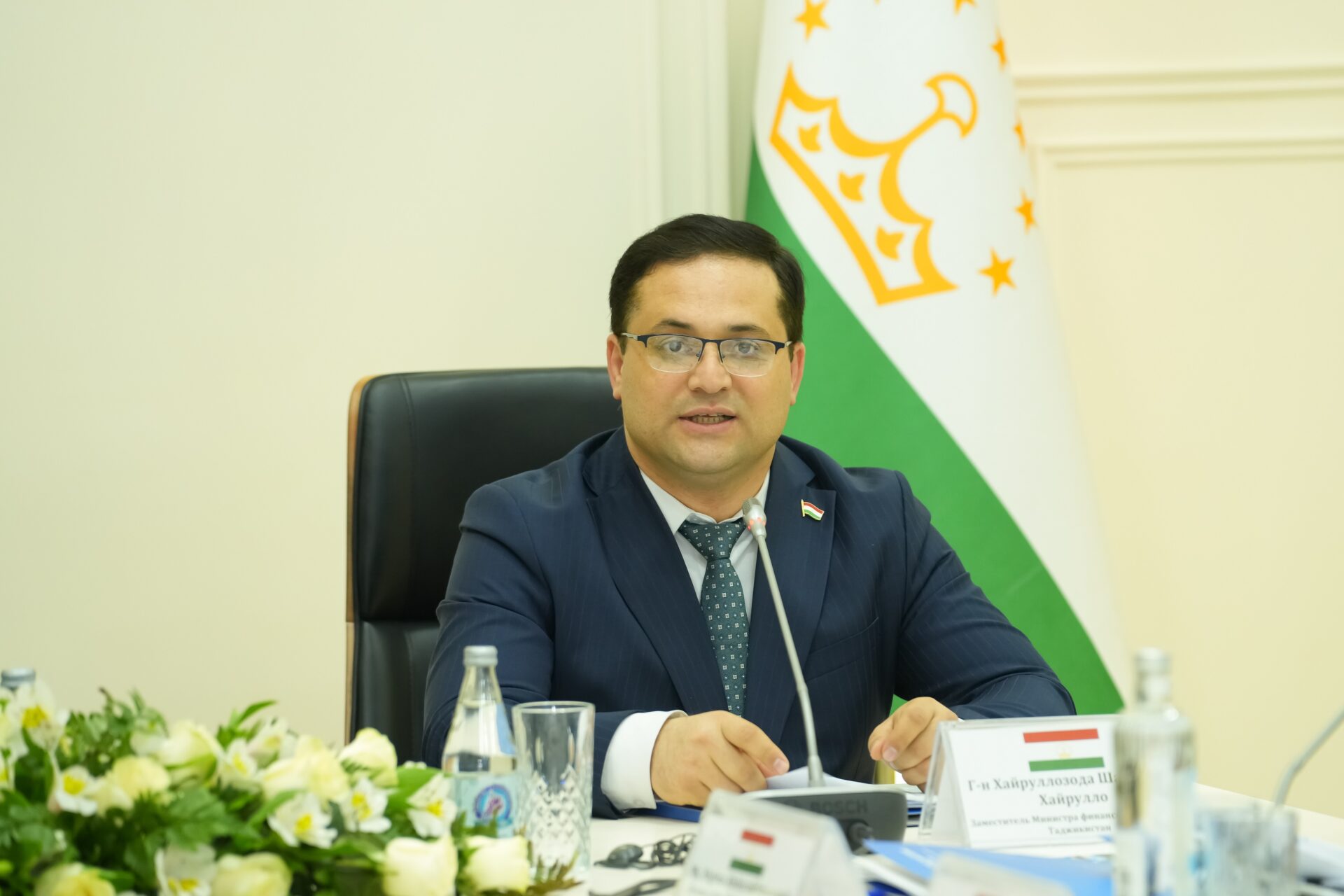
Deputy Minister of Finance of the Republic of Tajikistan Shamsullo Khairullozoda noted the importance of international partners’ support in implementing reforms aimed at improving the quality and expanding funding opportunities for national priorities. He emphasized that this creates the conditions for introducing new sustainable financing instruments and implementing projects with long-term social and economic impact. He stated that Tajikistan is ready to continue working with partners, based on shared values and mutual trust, to achieve tangible results for the benefit of the country and its citizens.
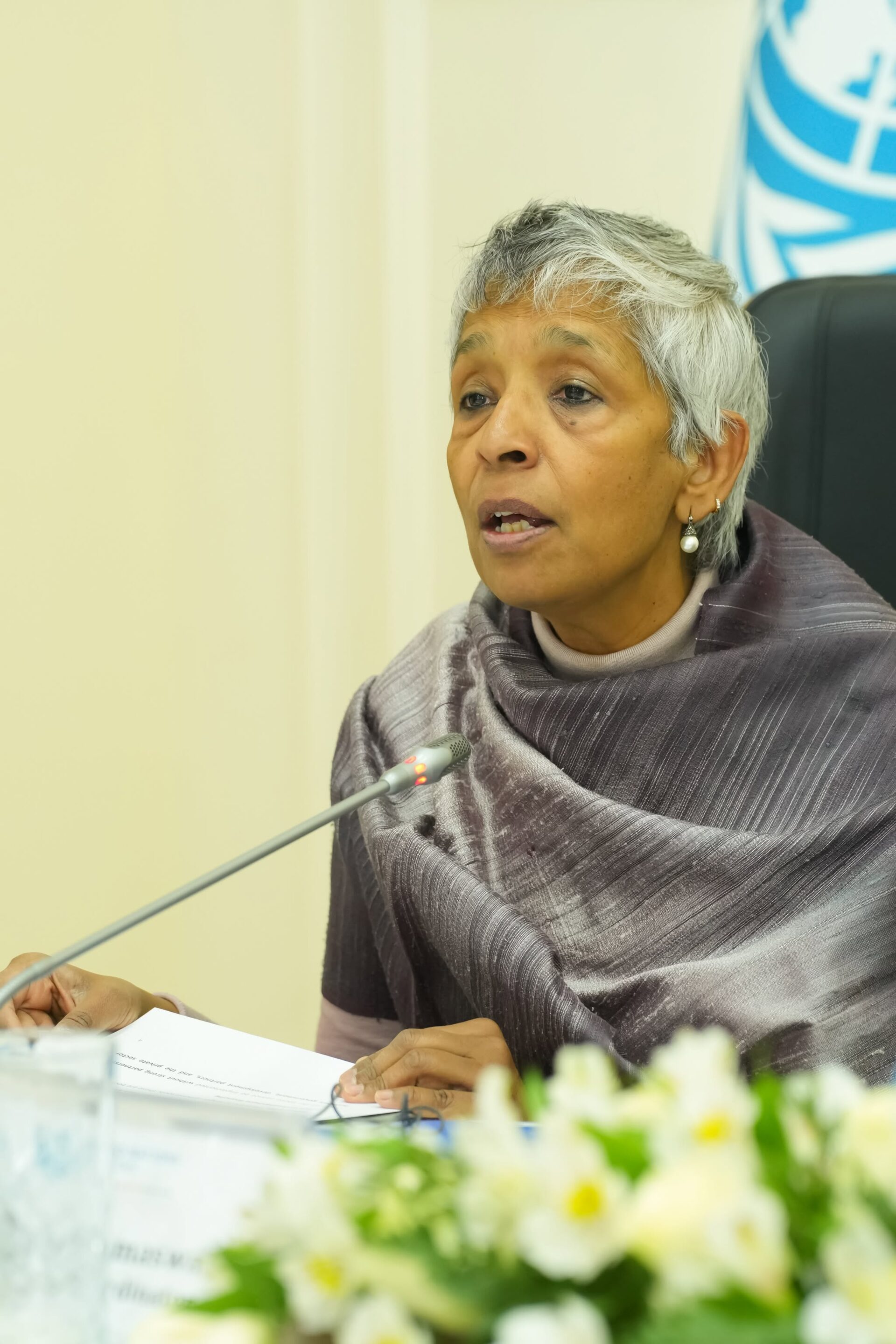
UN Resident Coordinator in Tajikistan Parvathy Ramaswami, in turn, stated that Tajikistan has a clear vision, commitment, and potential to develop an effective sustainable financing model capable of accelerating economic growth, strengthening the country’s resilience, and delivering concrete results for the population. She noted that the United Nations is supporting Tajikistan in attracting a wider range of financing sources, including government revenues, private capital, concessional and blended financial resources, and innovative sustainable financing mechanisms. According to her, this will improve the quality of economic growth, strengthen societal resilience, and promote the well-being of current and future generations, leaving no one behind.
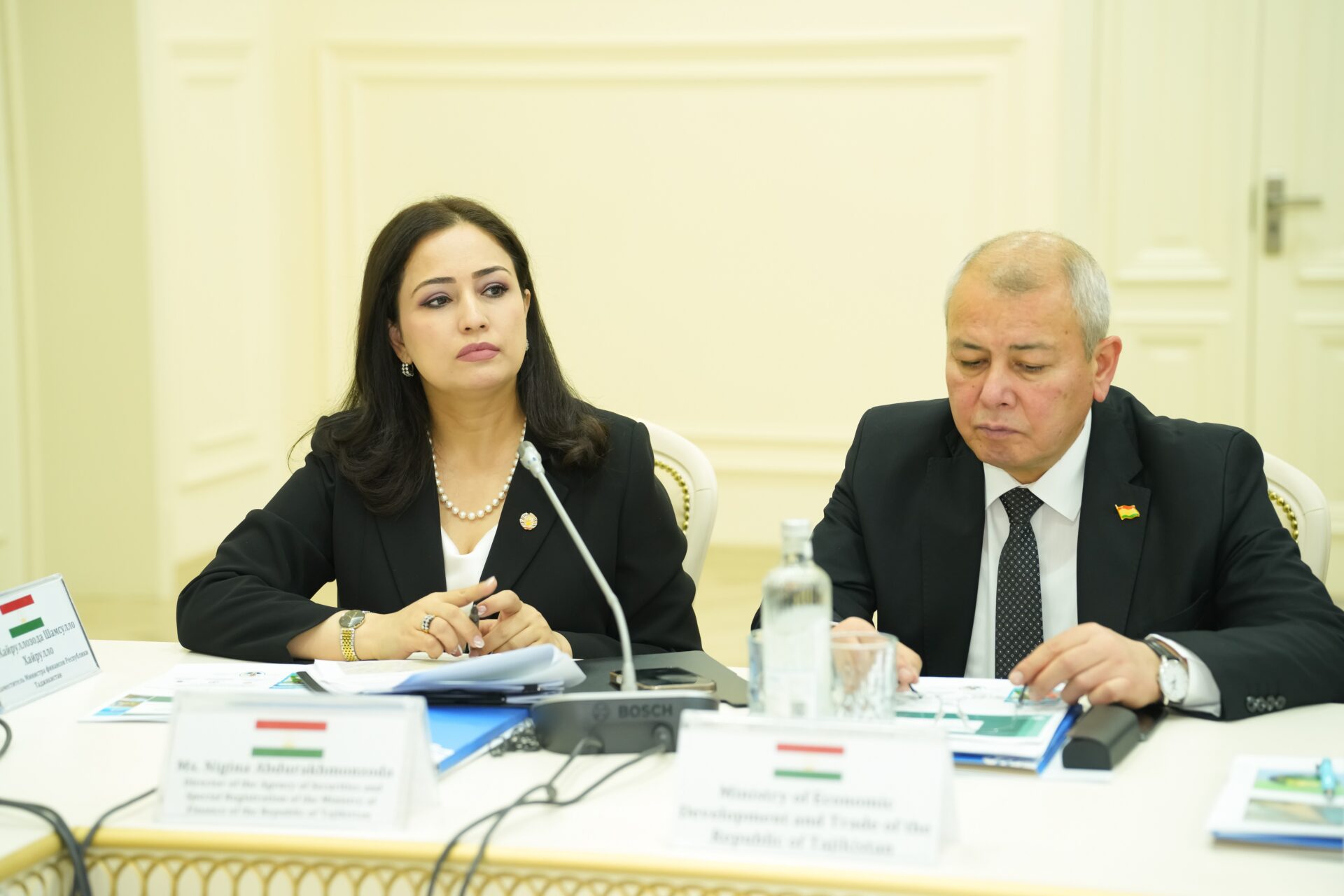
During the event, Nigina Abdurakhmonzoda, Director of the Agency for Securities and Special Registration of the Ministry of Finance of the Republic of Tajikistan, delivered a presentation. She outlined the current state of capital market development in the country and outlined the role of thematic bonds in building a sustainable economy.
In addition, the meeting participants were presented with a draft Sustainable Finance Roadmap for Tajikistan. They exchanged views on global and regional practices and how they could be applied to strengthen financing mechanisms in the country. The discussions emphasized the importance of strategic planning, attracting private investment, and expanding sustainable finance instruments.