Translated with AI

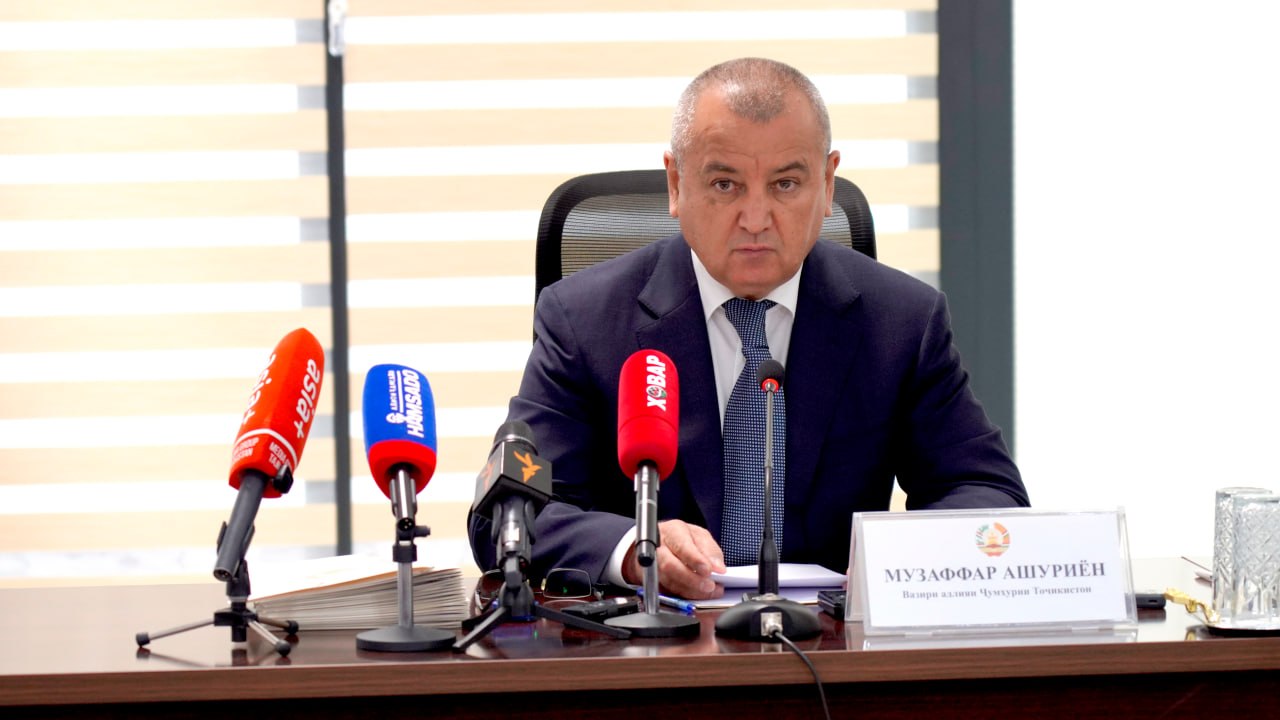
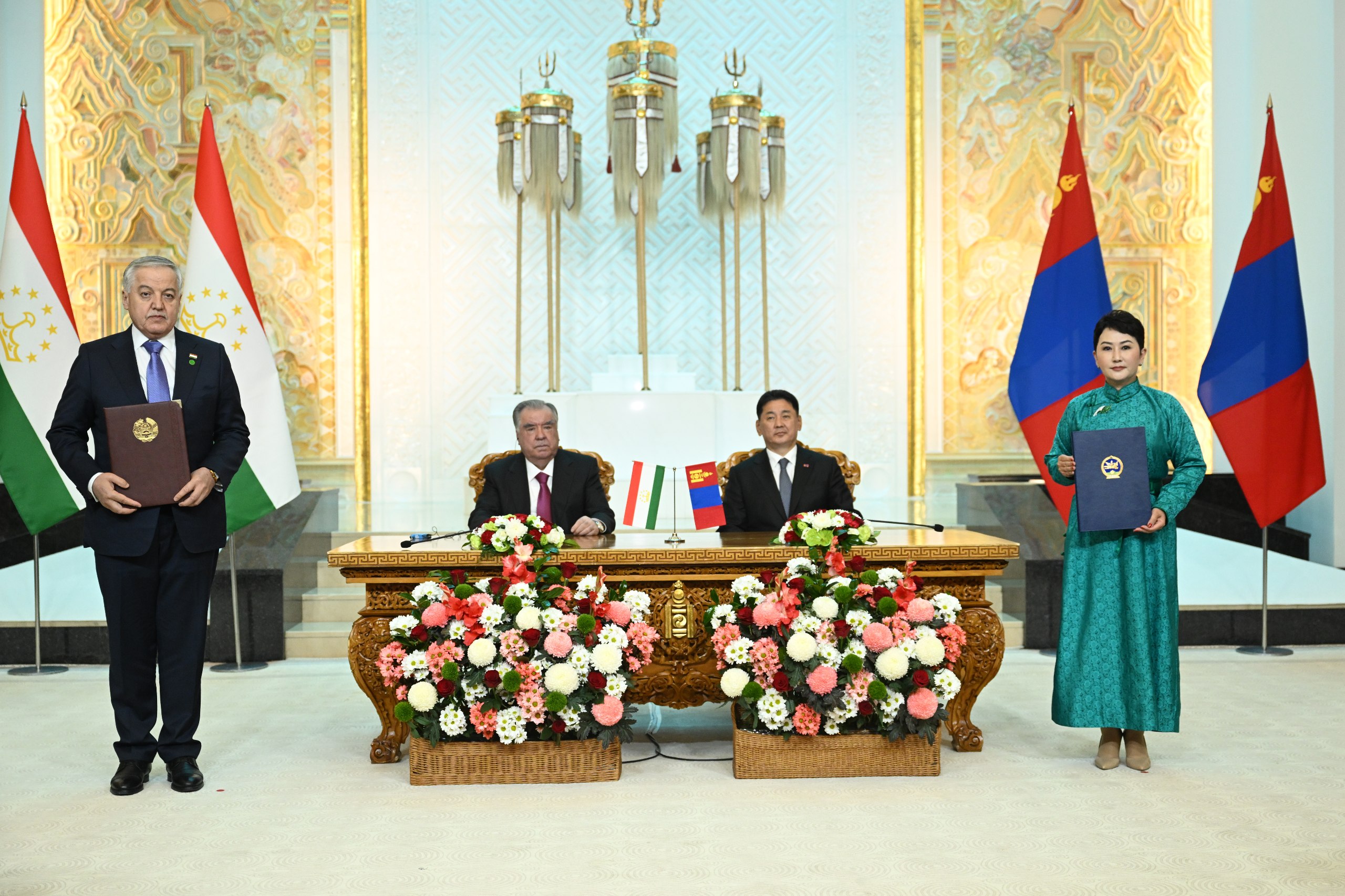
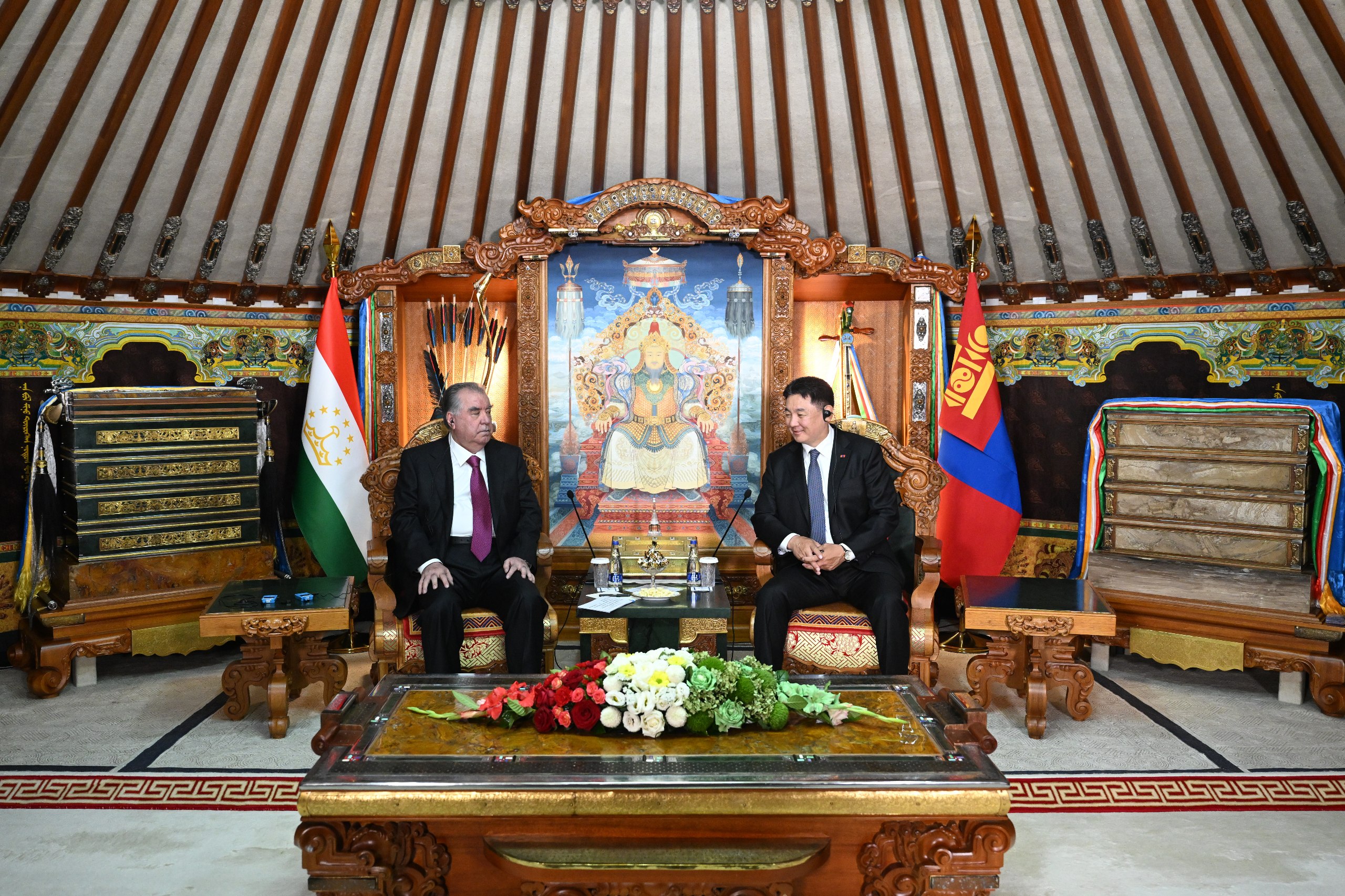
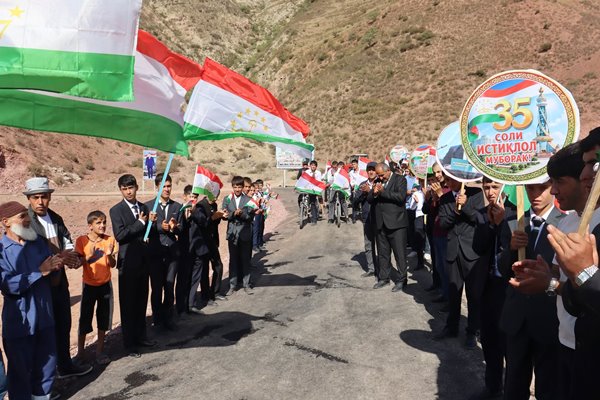

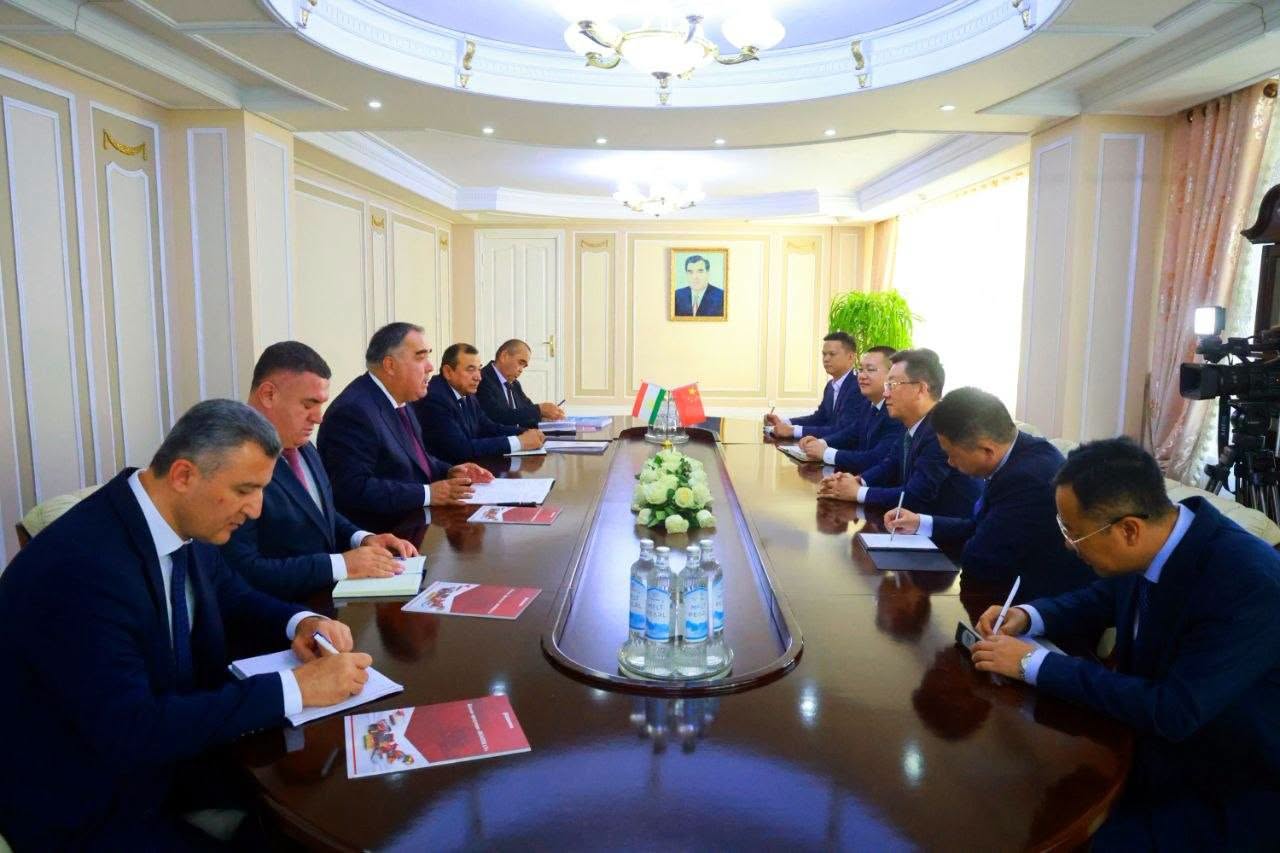
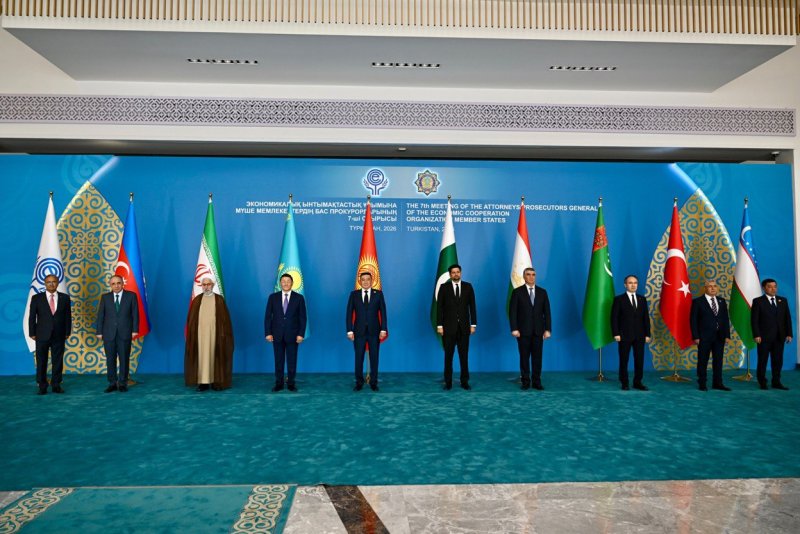
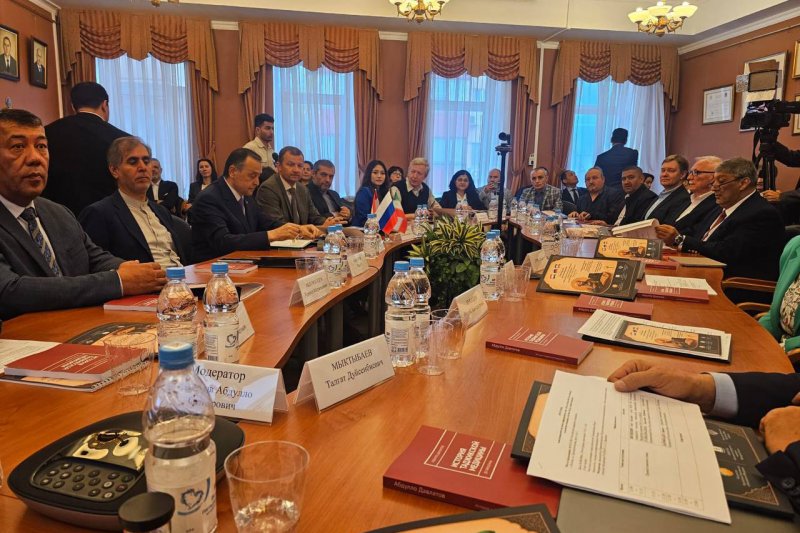







A roundtable discussion on the Khujand Declaration of Eternal Friendship was held in Moscow. Experts discussed the document's significance as the foundation for a new format of 21st-century diplomacy. Political scientists and international experts participated in the event, the press service of the Leo Tolstoy International Peace Prize told TASS.
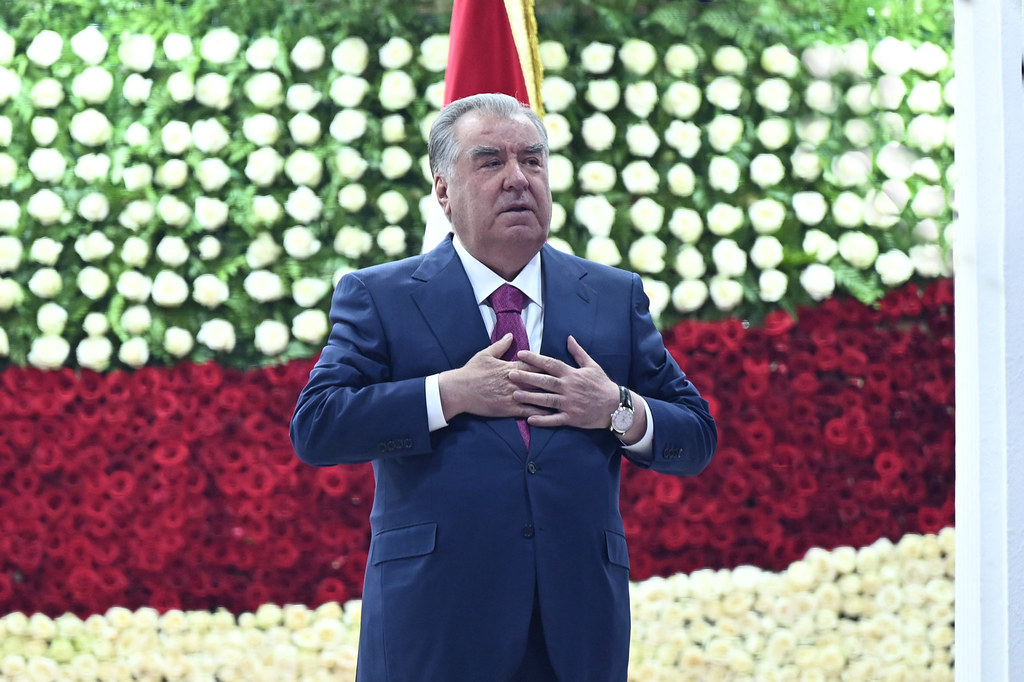
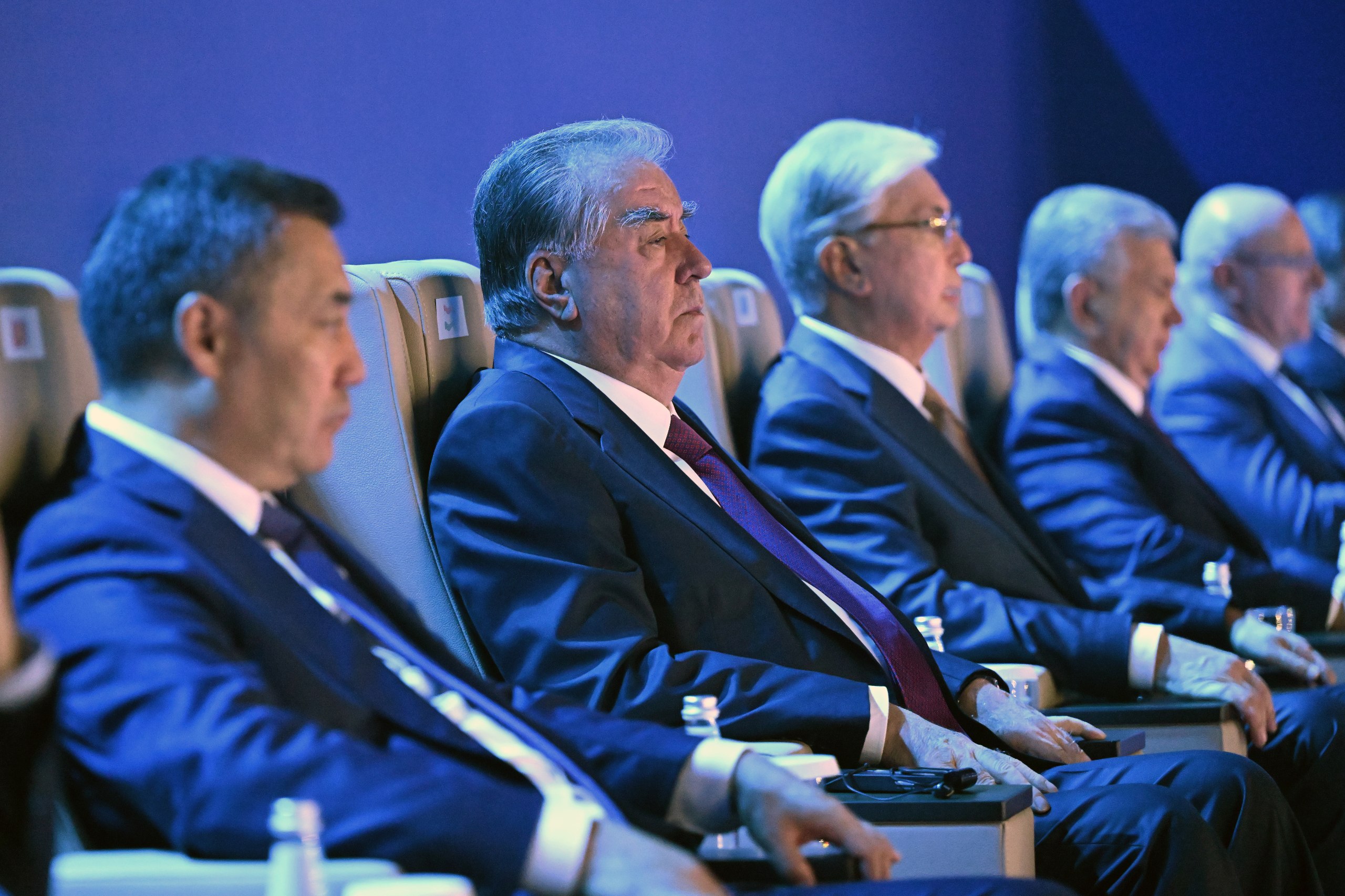
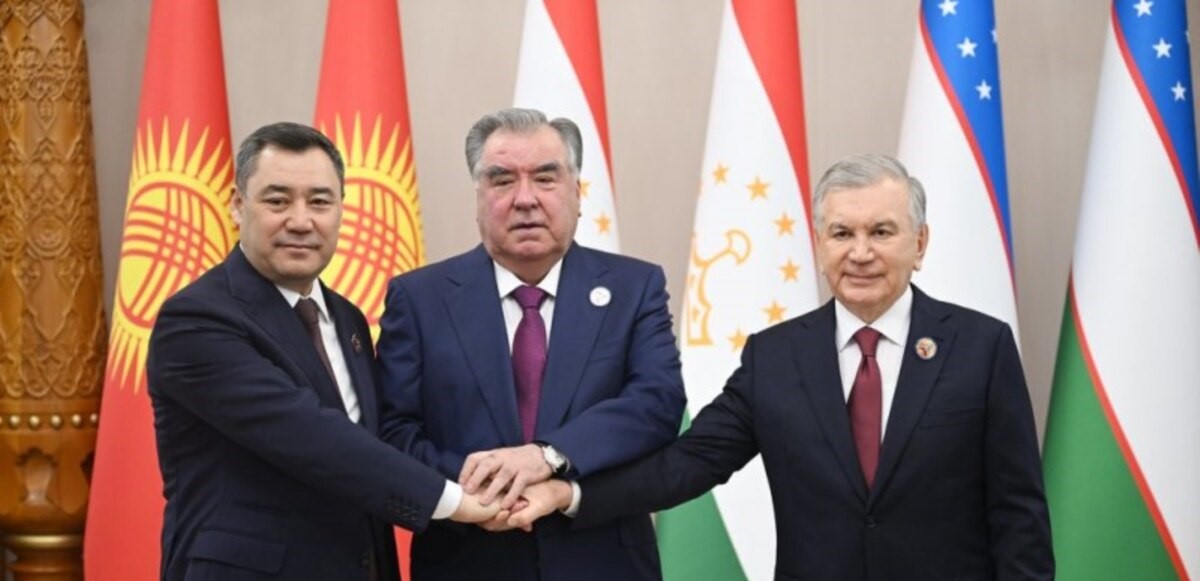
On March 31, 2025, the leaders of Tajikistan, Kyrgyzstan, and Uzbekistan signed an agreement in Khujand on the border crossing point of the three countries, finalizing the legal formalization of their shared borders and signing a trilateral declaration of eternal friendship. On September 9, an international jury awarded the Leo Tolstoy International Peace Prize to Presidents Emomali Rahmon (Tajikistan), Sadyr Japarov (Kyrgyzstan), and Shavkat Mirziyoyev (Uzbekistan) for concluding this agreement.
Roundtable participants noted the role of peacekeeping efforts by the leaders of Tajikistan, Kyrgyzstan, and Uzbekistan in resolving border and interstate disputes as an example of constructive diplomacy. The experts emphasized that the border agreement was an important step in fostering an atmosphere of trust and mutual respect among the peoples of Central Asia.
"The Khujand Declaration offered the world a new format for 21st-century diplomacy based on the principles of non-violence, humanism, and intercultural dialogue. This approach enables effective cooperation between states to strengthen regional stability and global peace," the event's organizers noted.
Ivan Safranchuk, a member of the expert council of the State Duma Committee on International Affairs, emphasized that awards based on high moral standards are important for forming an authoritative assessment of politicians' actions. "The Khujand Declaration proves that regional problems can be resolved without external pressure and interference. Regional security can be maintained by the efforts of the region's key players. The Leo Tolstoy International Peace Prize evaluates not declarations, but the real actions of politicians in the interests of their people and regional security," he said.
The Leo Tolstoy Peace Prize was established in 2022 by the Russian Historical Society, the Russian Peace Foundation, and the Russian Military Historical Society. It is awarded for significant contributions to preserving peace, active peacekeeping, combating the threat of a third world war, preventing a nuclear catastrophe, and protecting human rights and freedoms.