Translated with AI
































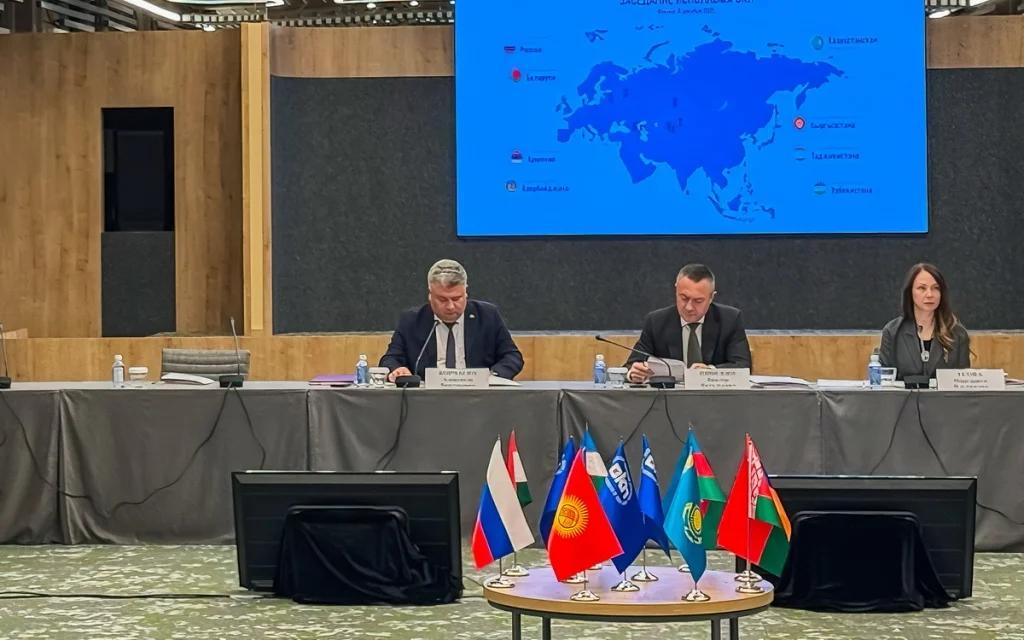
On December 8, a meeting of the Council of the General Confederation of Trade Unions (GTUC) was held in Moscow with the participation of representatives from seven countries of the Commonwealth of Independent States – Armenia, Belarus, Kazakhstan, Kyrgyzstan, Russia, Tajikistan, and Uzbekistan, the press service of the CIS Executive Committee reported.
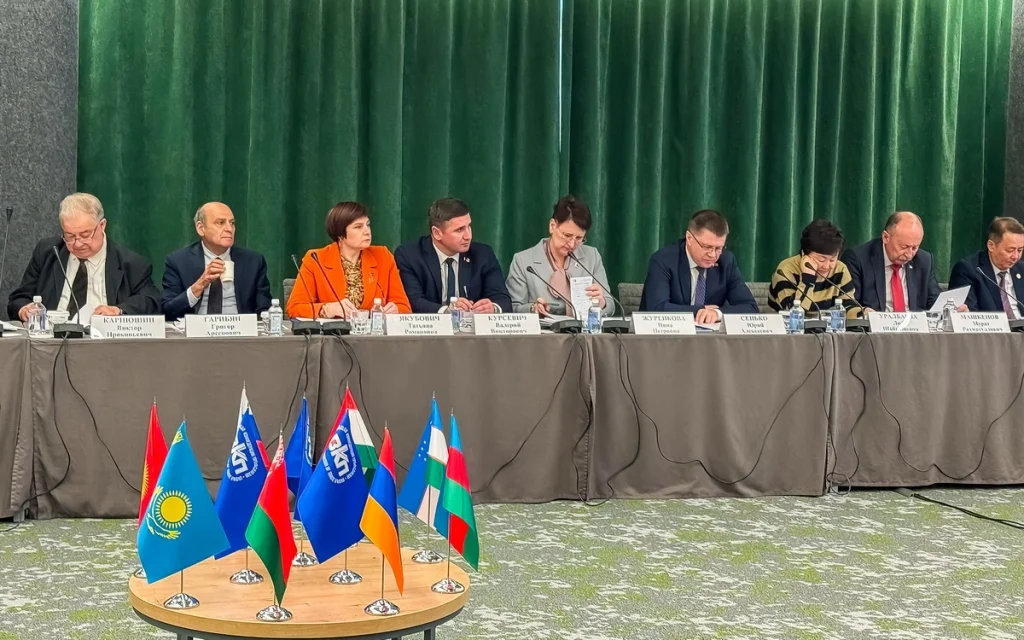
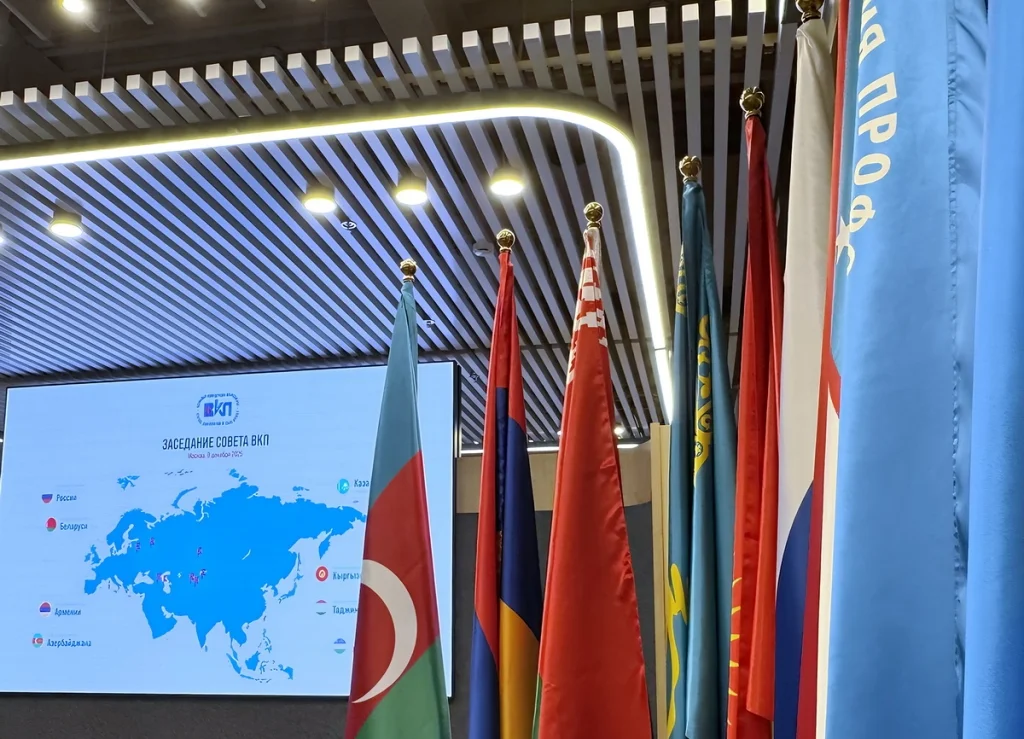
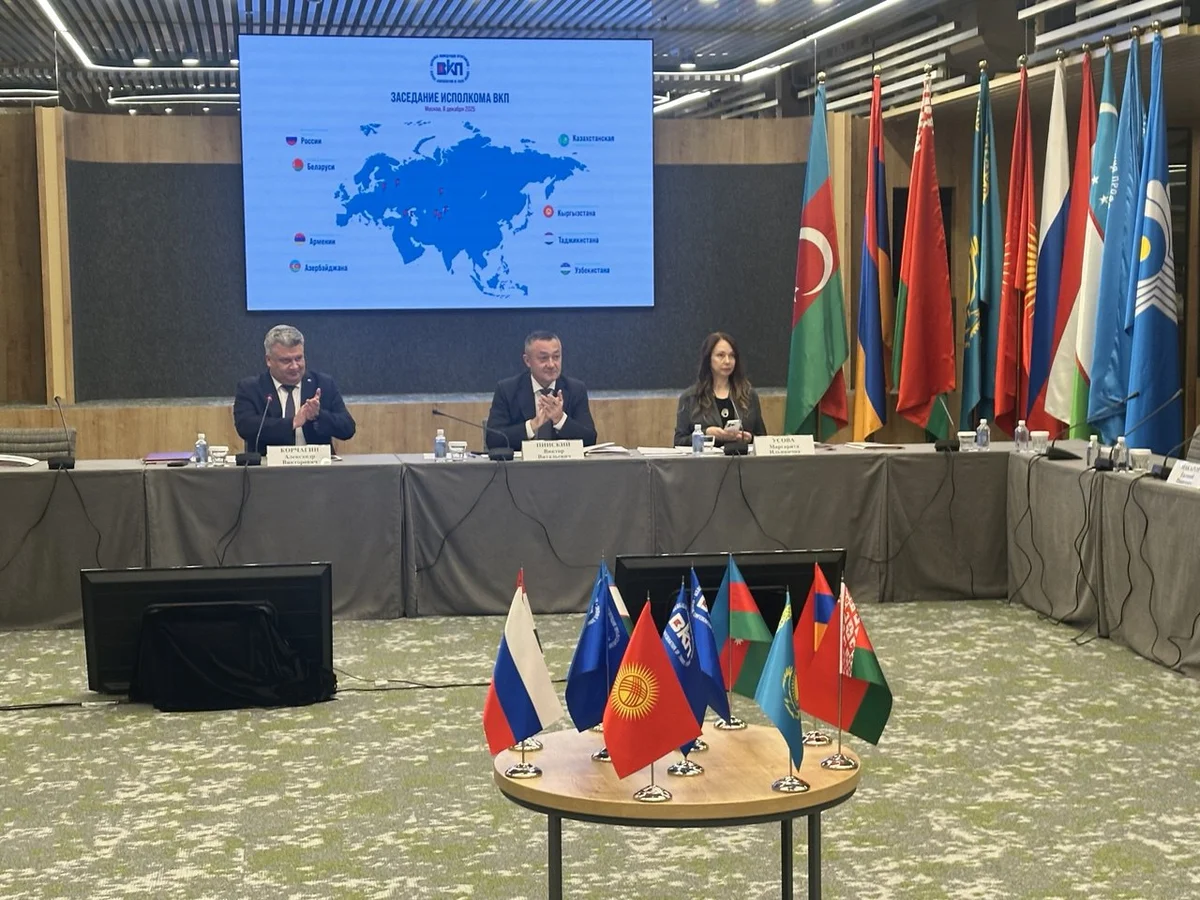
At the meeting, trade union leaders discussed the results of the "Minimum Wage – to the Level of the Subsistence Minimum" campaign, the objectives of the new "Minimum Wage – to the Level of the Minimum Consumer Budget" campaign, and other pressing socio-economic issues.
Viktor Pinsky, a member of the Russian State Duma and General Secretary of the All-Union Communist Party (VKP), emphasized that the minimum wage in the Commonwealth countries should ensure a full life for citizens. He stated that the trade unions' new goal is to raise the minimum wage to the level of the minimum consumer budget, which takes into account the actual costs of quality food, essential goods, and services.
"In almost all CIS countries, the minimum wage has increased tenfold over the past twenty years, reaching the subsistence level. For example, in Uzbekistan, this figure has increased 195-fold. Today, trade unions across the Commonwealth face a new challenge: ensuring that wages reflect real prices and living expenses in each specific country. Therefore, trade unions are launching a new campaign aimed at achieving the minimum consumer budget," said Viktor Pinsky.
The meeting also discussed the development of a common labor market in the CIS countries. According to Viktor Pinsky, the creation of a single market requires the establishment of uniform rules and conditions for workers and employers, regulation of labor migration based on economic needs, fair and transparent interaction between parties in labor relations, and uniform rules for the movement of workers between CIS countries.
The draft Comprehensive Program for the Creation of a Common Labor Market was agreed upon at the 38th meeting of the Consultative Council on Labor, Employment, and Social Protection of the Population of the CIS Member States, which was held in Tashkent in October.
"The CIS countries are seeing the introduction of information technology and electronic services into migration processes. These tools improve and simplify migrant registration procedures, help fight corruption, and enhance security. All countries have a stake in legal migration, including those whose citizens leave to work in other countries," noted Viktor Pinsky.
As a successful example of training personnel for work abroad, Margarita Usova, Deputy Secretary General of the WTU, cited the Professional Skills Center in Tashkent, which was visited in October by participants of the 38th meeting of the Advisory Council. She noted that comprehensive training includes both professional skills and knowledge of the laws, traditions, and cultural characteristics of the destination countries, which facilitates the successful adaptation of workers and the protection of their rights.
The meeting also discussed the forecast for the Russian economy's labor force needs over the next seven years. According to the Russian Ministry of Labor and Social Protection's forecast, 12.2 million workers will need to be replaced by 2032, averaging over 1.7 million annually. The largest employment increases are expected in manufacturing, construction, transportation and storage, science, and the IT industry. Meanwhile, a decline in the retail sector is projected due to increased productivity and the growth of online commerce.
Implementing the workforce plan requires actively increasing labor productivity and reorienting young people toward training in in-demand professions. A record 3.9 million students are already enrolled in Russian colleges, with 63% of ninth-graders choosing vocational education.