Translated with AI

































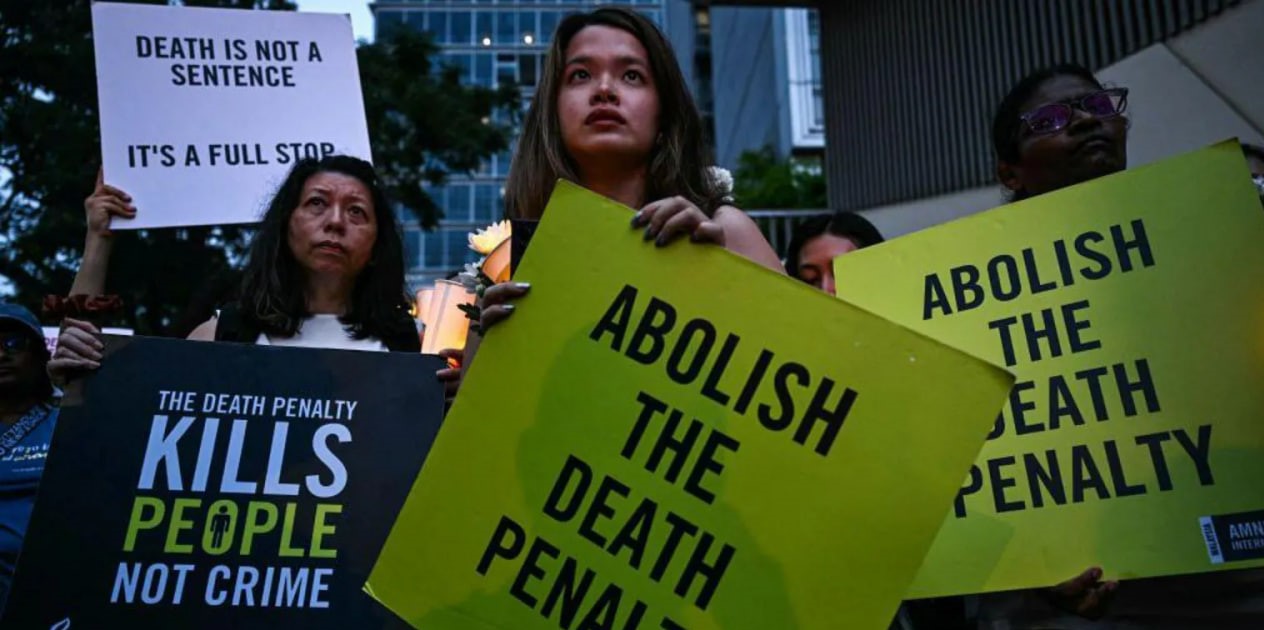
Last week, Singapore executed three people for drug-related offences, bringing the country's total for the year to 17. This is the highest number since 2003, the BBC reports.
The execution came just a week before a constitutional challenge to the death penalty for drug crimes is set to be heard.
The EU Delegation, as well as the diplomatic missions of EU Member States, Norway, Switzerland and the United Kingdom, condemned the execution of two Singaporean citizens and Malaysian citizen Saminathan Selvaraju.
The group of activists who initiated the constitutional review believes that the mandatory death penalty for drug-related offenses violates the constitutional rights to life and equality before the law.
"Singapore's barbaric drug control regime is increasingly alone on the global stage," said local activist group Transformative Justice Collective, noting that it is one of the few countries that continues to execute people for drug-related crimes.
The Singapore government argues that abolishing the death penalty could lead to more severe consequences.
Singaporean authorities believe that harsh penalties for drug trafficking have a deterrent effect on drug crime, which is a serious problem in other Southeast Asian countries.
Drug trafficking is broadly defined in Singaporean law and includes the sale, transfer, transportation, or use. Courts are required to impose death sentences for trafficking in more than 15 grams of heroin, 30 grams of cocaine, 250 grams of methamphetamine, and 500 grams of cannabis.
According to the country's Minister of Home Affairs, Kasiviswanathan Shanmugam, the abolition of the death penalty could lead to an increase in serious crimes, violence, and drug-related deaths.
"Our job as policymakers is to put emotions aside and act for the safety of the majority. […] We cannot live in peace if we make a decision that leads to the deaths of many innocent people in Singapore," he wrote on Facebook in January.
The EU delegation to Singapore said last week's executions marked a "significant increase in the use of the death penalty" in the country.
"The imposition of the death penalty for drug-related crimes is incompatible with international law, as such crimes do not fall under the category of 'most serious,'" the authors of the appeal stated, adding that this punishment makes rehabilitation impossible.
The Singapore government, however, argues that the death penalty has helped make the country one of the safest places in the world.
According to a survey commissioned by the ministry in 2023, approximately 69% of 2,000 Singapore citizens and permanent residents surveyed believed the death penalty was justified for large-scale drug trafficking.