Translated with AI




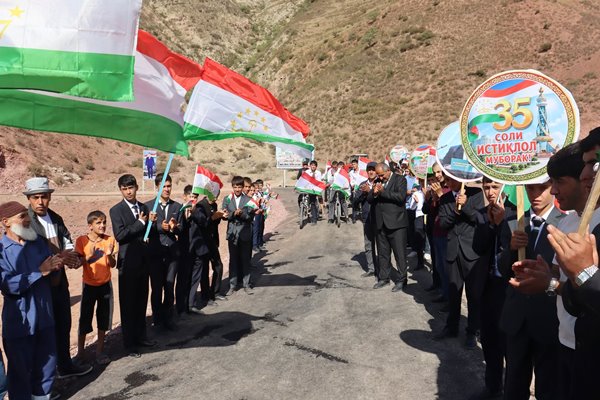






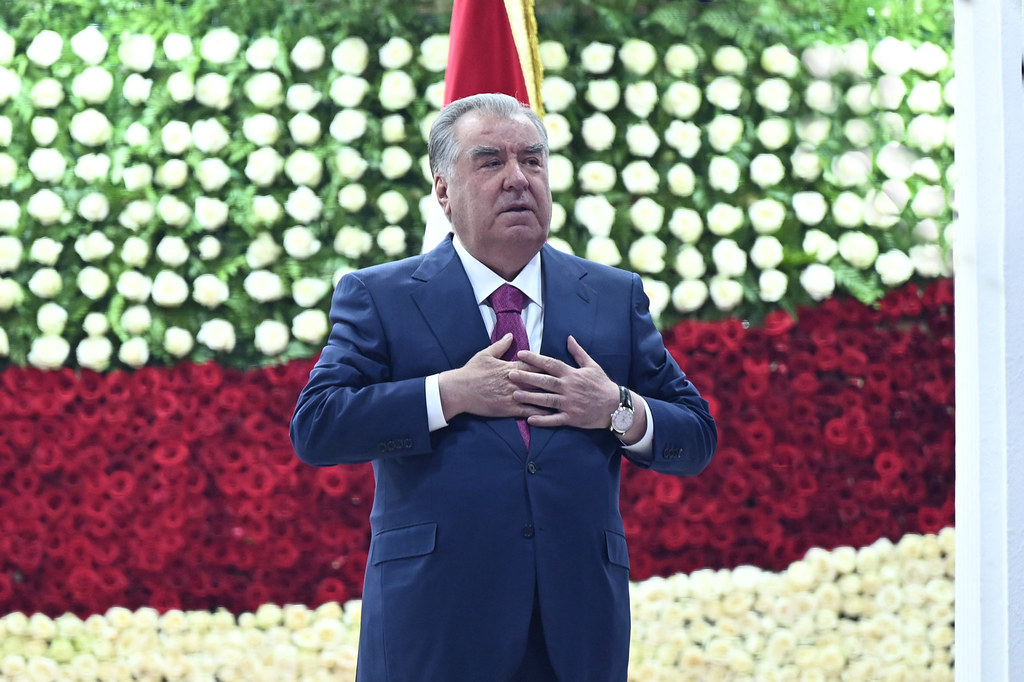















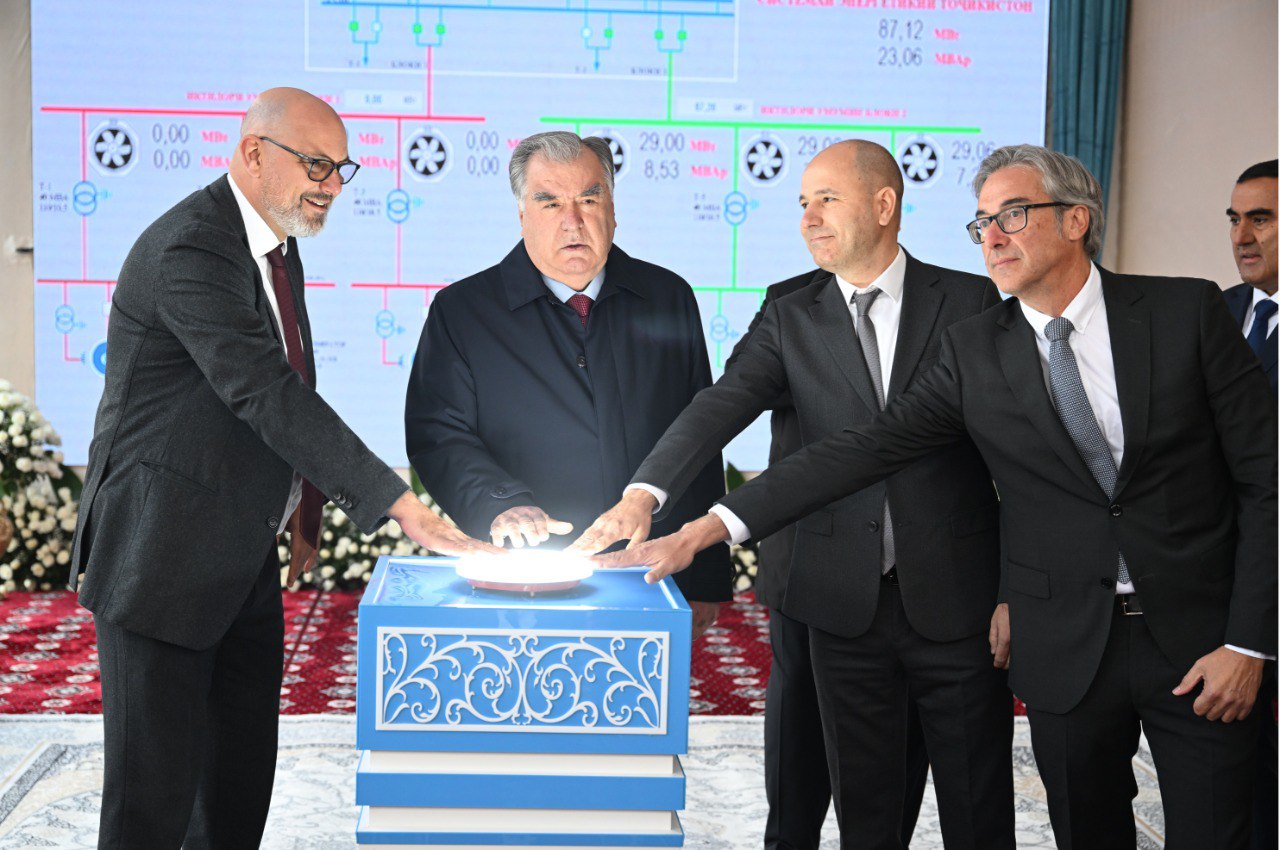
In the city of Guliston in the Sughd region, with a symbolic press of a button, Tajik President Emomali Rahmon commissioned three hydroelectric units of the Kairakkum Hydroelectric Power Station after their complete modernization.
According to the presidential press service, the project completely renovated all six hydroelectric units and other key equipment at the plant, increasing the plant's installed capacity by 60 MW. Funding from development partners, as well as domestic and international specialists, was used to replace the turbine hall equipment, turbine control system, hydroelectric unit control system, seven transformers of varying capacity, and other key components of the hydroelectric plant. An enclosed SF6-insulated switchgear system was installed in place of the open 220/110 kV distribution system.
The Kairakkum Hydroelectric Power Plant consists of six hydroelectric units, the last of which was commissioned in 1956 with a design capacity of 21 MW. Over the course of 69 years of operation, the plant's equipment has become significantly outdated, and its generating capacity has dropped to 12 MW.
The facility's modernization began in 2019 at the initiative and with the support of Leader of the Nation Emomali Rahmon. Over nearly seven years, all six hydroelectric units were completely renovated, increasing their capacity to 29 MW each.
As part of the first phase of the hydroelectric power plant restoration project, involving domestic and international specialists and development partners, the turbine hall equipment, turbine control systems, excitation transformers, pressure control systems, the hydroelectric unit control system, seven transformers of varying capacity, and other key equipment were replaced using technology from leading European countries. Additionally, the hydroelectric power plant dam was reinforced and five cranes were upgraded as part of the project.
While reviewing the project's progress, Emomali Rahmon was informed that building repairs, embankment reinforcement, and road construction will continue until 2026 as part of a project involving domestic and foreign companies.
Before modernization, the plant's average annual electricity production was 650 million kWh. After upgrading all six hydroelectric units and connecting them to the grid, the plant's generating capacity increased to 900 million kWh.
Emomali Rahmon instructed those responsible to complete the remaining work on the project to a high standard and within the established timeframe, so that the hydroelectric power station, once fully restored, will continue to provide electricity to the population for many years to come.