Translated with AI































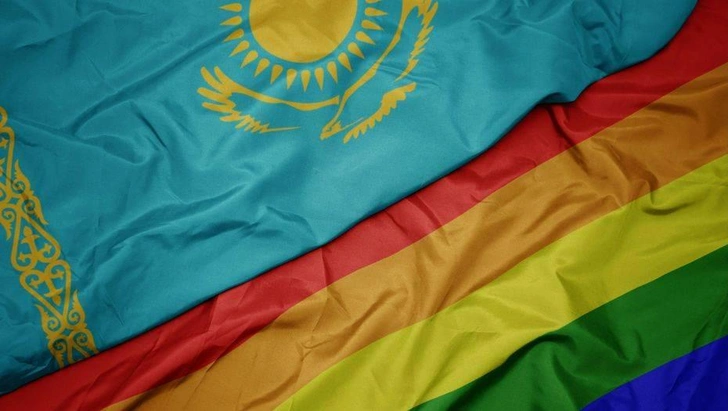
Deputies of the Kazakh Mazhilis (parliament) passed a law at a plenary session banning the promotion of pedophilia and non-traditional sexual orientation in public spaces, NUR.KZ reports.
This provision is included in the draft law "On Amendments and Additions to Certain Legislative Acts of the Republic of Kazakhstan on Archival Matters." The amendments were presented by Deputy Yelnur Beisenbayev.
"In response to growing public concern about protecting children and adolescents from negative content in the digital space, amendments were made to the bill prohibiting the promotion of pedophilia and non-traditional sexual orientation in public spaces.
We see that children and teenagers are exposed to information online every day that can negatively impact their understanding of family, morality, and the future. Protecting the younger generation from illegal content is a matter of their safety and mental health," the deputy noted.
The amendments affect nine laws, including laws on children's rights, advertising, communications, culture, education, cinematography, and mass media.
"A clear definition of 'propaganda of non-traditional sexual orientation' and restrictions on its placement in mass media, online platforms, and telecommunications networks are being introduced. These regulations represent a consolidated decision by the government, expert, and civil society communities.
Incidentally, Kazakhstan is not a pioneer in this matter. Similar regulations exist in a number of countries, including Hungary, Bulgaria, Lithuania, Poland, Kyrgyzstan, and Russia. Furthermore, the US Supreme Court upheld President Donald Trump's position banning transgender people from indicating a gender different from their biological gender on their passports. This once again proves that even tolerant America doesn't go against the laws of Mother Nature," the Majilis member explained.
He recalled that international standards on children's rights contain similar requirements. Article 17 of the UN Convention obliges states to take measures to protect children from information and materials harmful to their well-being, including in the online environment.
"It's important to emphasize: this isn't about 'banning' or 'banning' people belonging to the LGBT community. No one is restricting their personal rights. The regulations being introduced establish a framework for the public dissemination of such information, which is consistent with generally accepted international practice," concluded Elnur Beisenbaev.
Vice Minister of Culture and Information Yevgeny Kochetov explained that all content will be labeled in Kazakhstan.
"This content will be marked 18+ if it contains scenes of this kind. It will be restricted to those over 18. Books will be similarly restricted," he said.
The document was sent to the Senate.
As a reminder, MP Irina Smirnova previously announced new regulations on the sidelines of the Majilis regarding restrictions on the distribution of materials containing elements of LGBT propaganda.
Deputy Edil Zhanbyrshin proposed not limiting the ban to LGBT propaganda in Kazakhstan, but also introducing criminal liability for it.