Translated with AI















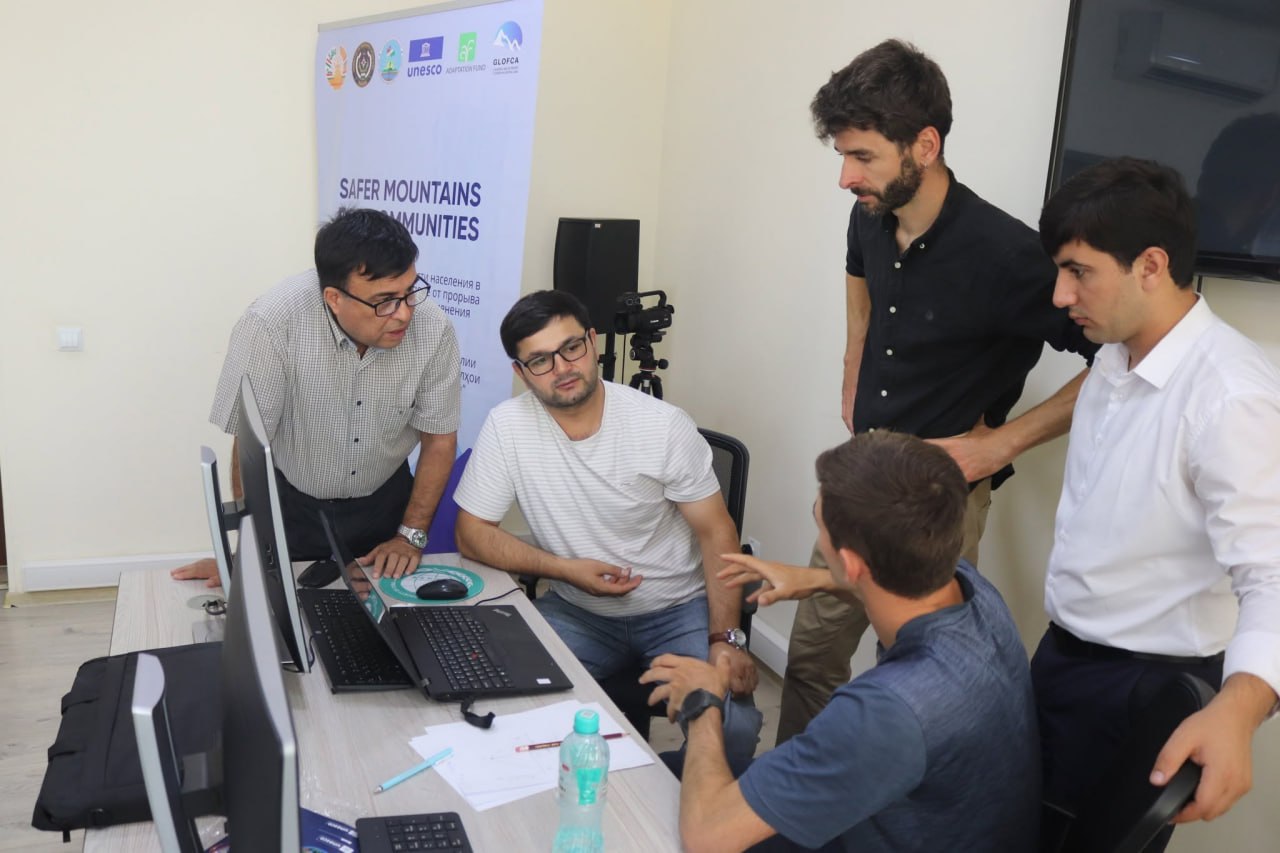










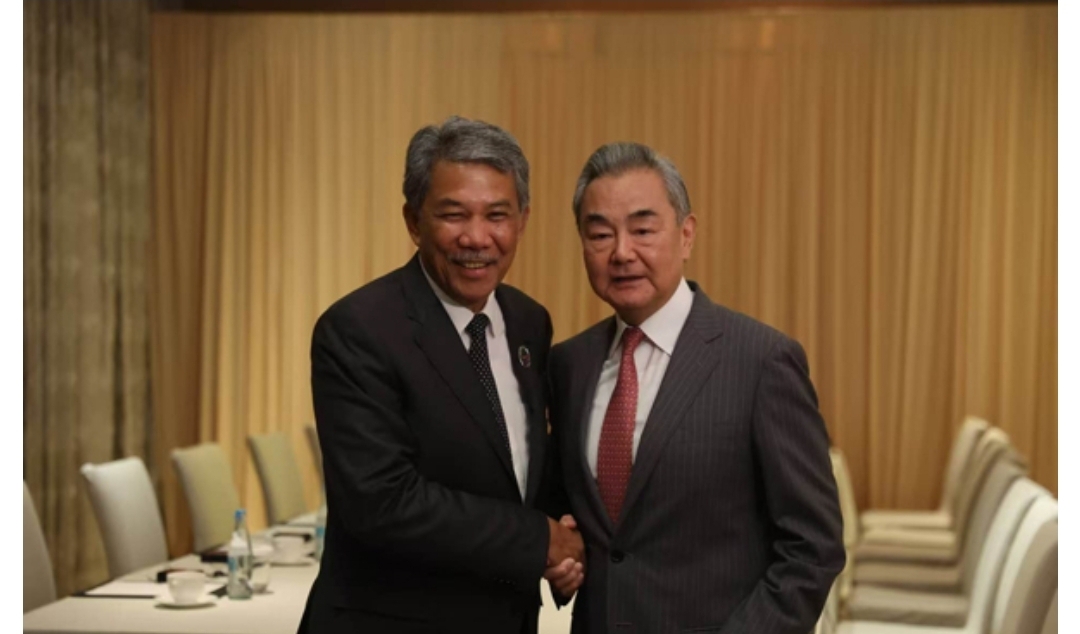
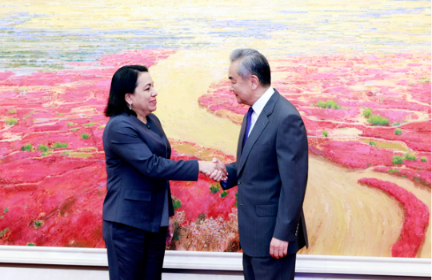






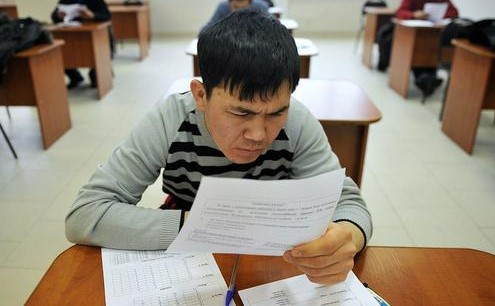
Russia supported the idea of reducing the number of history and law questions in Russian language tests for migrants. This was stated by Valery Fadeyev, Chairman of the Presidential Council for Civil Society and Human Rights (HRC), at a roundtable in Tashkent on migration policy and the development of a unified labor market in the CIS, Fergana News Agency reports, citing Gazeta.uz.
The head of the Human Rights Council responded to comments from the Uzbek side, which expressed dissatisfaction with the fact that the examination materials contained numerous questions that had no practical application for migrant workers. Specifically, the questions concerned topics related to the Patriotic War of 1812 and the annexation of Crimea.
Fadeev agreed with the criticism and emphasized that testing should be simplified and structured closer to testing knowledge of traffic rules.
"There's no need to overcomplicate things about who the military leaders were, who commanded at Borodino. A historical minimum, a legal minimum, some basic constitutional requirements. This isn't like taking the Unified State Exam," he noted.
During the discussion, representatives of the Uzbek Migration Agency drew the attention of Russian authorities to a number of problems faced by migrants: hours-long checks at Moscow airports, illegal phone searches, raids by security forces on hostels accompanied by moral and physical pressure, and increased anti-immigration rhetoric in the media and social media.
Fadeyev commented on the airport queue situation, attributing it to the security measures in place in the country. He added that Russia is working to implement modern technologies that will speed up document verification and reduce the workload at checkpoints.
The roundtable participants emphasized that no state has an interest in uncontrolled migration flows and agreed on the need to develop new, transparent, and predictable approaches to regulating migration within the CIS.