Translated with AI





























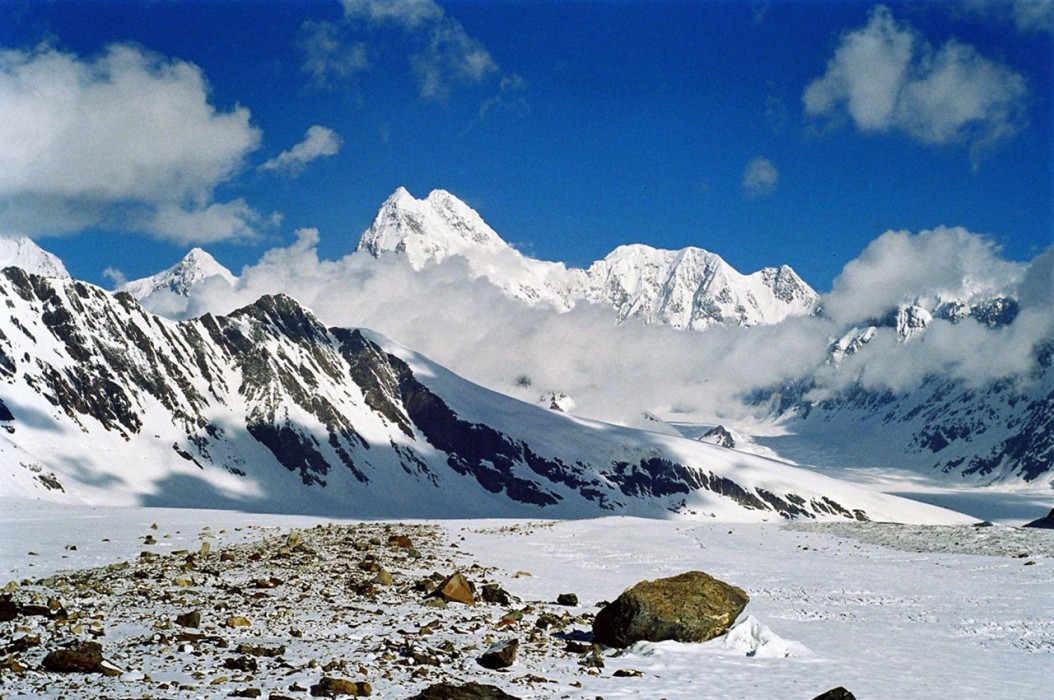
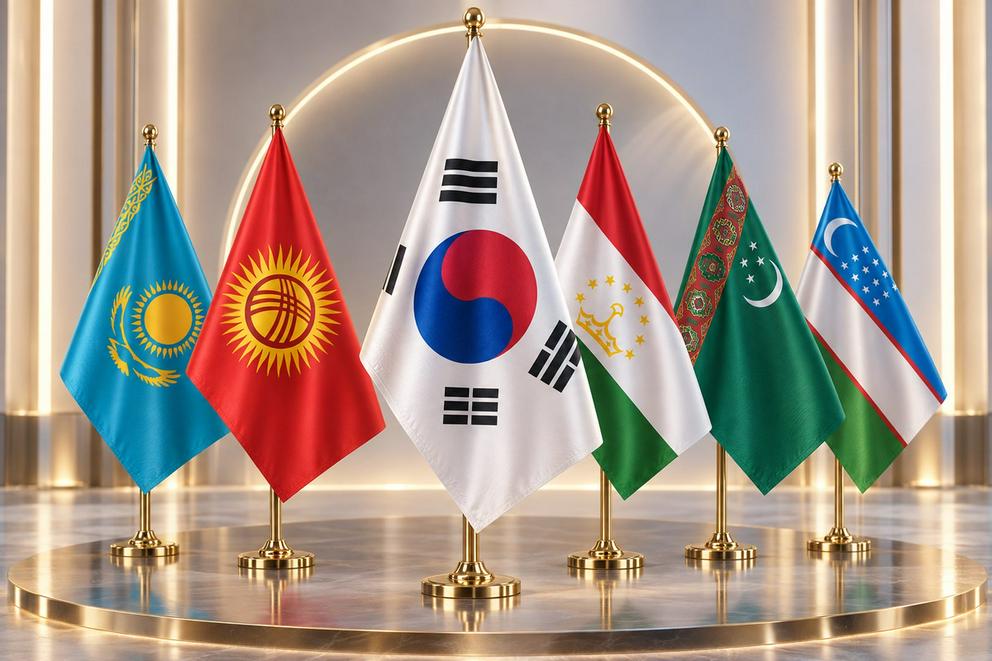
At the 80th session of the UN General Assembly, the heads of state of Central Asia issued a warning: accelerating glacier melting threatens water and food shortages for millions of people. The presidents of Kazakhstan, Kyrgyzstan, Tajikistan, Turkmenistan, and Uzbekistan presented ambitious initiatives—from holding international forums to creating new institutions—aimed at averting the looming crisis, the UN press service reported.
Glaciers are melting, threats are growing
Kazakh President Kassym-Jomart Tokayev noted that the rate at which Central Asia is warming is twice the global average. He stated that melting glaciers in the Alatau Mountains "increases threats to water and food security for millions of people."
Tajikistan President Emomali Rahmon, in turn, cited data showing that of the country's 14,000 glaciers, more than 1,300 have already completely disappeared. These changes are causing floods, droughts, and dust storms, which directly impact water, energy, and food supplies.
Kyrgyz President Sadyr Japarov emphasized that his mountainous country is particularly vulnerable to droughts and dwindling water resources, which threaten agriculture and biodiversity.
The Tragedy of the Inland Seas
Central Asian leaders paid special attention to environmental disasters associated with the region's largest bodies of water.
In particular, the President of Kazakhstan warned that the Caspian Sea is rapidly shrinking, calling it a "global alarm." Turkmenistan, meanwhile, reaffirmed its commitment to the Caspian Environmental Initiative.
Uzbek President Shavkat Mirziyoyev emphasized that the consequences of the Aral Sea's shrinkage must remain a focus of the international community, and announced that the country has planted salt-resistant plants on two million hectares of dry seabed.
Conferences and forums
Central Asian leaders presented a wide range of proposals for holding regional and international events.
Thus, Kazakhstan will host the UN-supported Regional Environmental Summit in Astana in April 2026. Kyrgyzstan has invited all member states to participate in the Bishkek+25 summit in 2027, dedicated to the sustainable development of mountain regions.
Tajikistan will host a high-level international conference, which will serve as the basis for the UN Water Conference in 2028. Turkmenistan, in turn, proposed hosting the next Caspian Environmental Forum in 2026.
Uzbekistan announced preparations for a World Water Efficiency Forum and called for the development of a roadmap for the implementation of innovative water technologies.
New institutions and regional programs
In his speech, the President of Turkmenistan also proposed the creation of a Regional Center to Combat Desertification.
Young environmentalists in Kazakhstan, Tajikistan, and Uzbekistan are developing new ways to address acute water shortages in their local communities.
The Uzbek leader supported the idea of launching a regional hub for green technologies in collaboration with the UN and implementing programs for rational water use and greening of Central Asia.
The President of Kazakhstan proposed that the General Assembly establish an International Day of Greening the Planet (April 22) and support the International Year of Volunteers for Sustainable Development – 2026.
Climate diplomacy
Uzbekistan called for the conclusion of a Global Compact on Climate Migration, noting the lack of international mechanisms in this area.
Kyrgyzstan emphasized the interconnectedness of natural systems – “from mountains to oceans” – and proposed redirecting $3 trillion in annual military spending toward improving quality of life, environmental protection, and clean air.
Central Asian leaders unanimously emphasize that unless decisive action is taken today, regional environmental challenges will escalate into global crises. They called on the international community to support these initiatives and actively participate in the upcoming events.