Translated with AI





























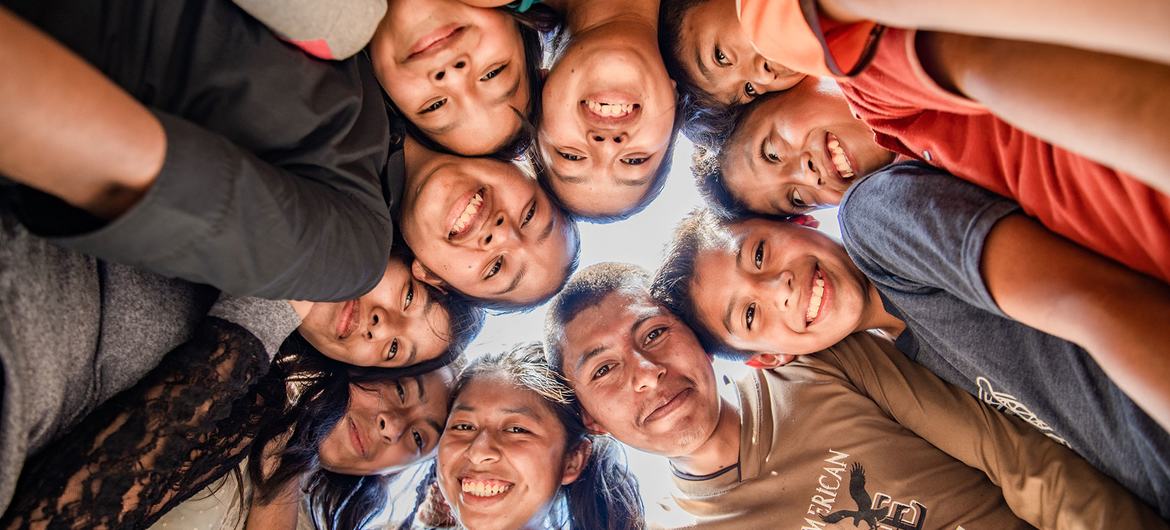
Half of the planet's population is aged 30 and under. This figure is expected to reach 57 percent by the end of 2030. On August 12, International Youth Day, UN Secretary-General António Guterres called for recognition of the determination, creativity, and leadership of young people around the world, according to the UN press service.
According to him, this year's theme—"Youth Action on the Ground for the SDGs and Beyond"—reminds us that global progress begins with change at the local level. "In every corner of the planet, it is young people who are leading the way, paving the way for change," the Secretary-General said in his message.
According to UN data, 67 percent of people believe in a better future, with 15- to 17-year-olds on the planet being the most optimistic.
“I appeal to every young person: your voice, your ideas, and your leadership are valuable and necessary,” the Secretary-General added.
Guterres called on the world to join forces to support the solutions proposed by young people and together build a more just, peaceful and sustainable world.
Youth Advisory Group
On International Youth Day, the UN chief also announced the appointment of 14 young leaders to the third term of his Youth Advisory Group on Climate Change.
The group provides the Secretary-General with practical recommendations, reflecting the diverse perspectives of young people, to accelerate global action to combat the climate crisis. Compared to previous seven-member panels, this year's panel doubled in size in response to shrinking civic space and limited funding, which hamper activists' work.
The new membership spans all regions of the world and includes young indigenous representatives, technologists, lawyers, researchers, and activists:
Angela Busheska (North Macedonia) is an innovator and creator of climate IT solutions.
Ashley Lashley (Barbados) is the founder of the largest youth movement on climate and health in the Caribbean.
Axel Eriksson (Sweden) is an engineer, educator and researcher who trains young climate negotiators from more than 60 countries.
Charity Ropati (USA, Yup'ik and Samoan) is a water engineer who advocates for Arctic Indigenous peoples and promotes sustainable water solutions.
Farzana Farooq Jumu (Bangladesh) is an activist and coordinator of a program supporting young negotiators.
Jabri Ibrahim (Kenya) is a climate and energy policy expert who mobilizes African youth for climate action.
Cantuta Diana Conde (Bolivia, Aymara people) is an indigenous rights activist involved in the UN Framework Convention on Climate Change and other UN mechanisms.
Lena Goins (USA) is an activist advocating for a just energy transition and the abandonment of fossil fuels.
Marcel Bodewig (Germany) is a human rights activist who promotes the integration of the climate agenda into the activities of Amnesty International.
Okalani Mariner (Samoa) is an artist, poet, and coordinator of the Pacific Climate Warriors movement, leading campaigns against the effects of climate change in island nations.
Sibusiso Mazomba (South Africa) is the leader of the African Climate Alliance and a participant in the UN negotiations on adaptation, oceans and compensation for loss and damage.
Thay Surui (Brazil) is a youth leader of the Paiter Surui people who coordinates work to defend the rights and lands of indigenous peoples in the Amazon.
Zagi Berian (Indonesia) is the founder of a community involved in international energy transition efforts.
Zuzanna Borowska (Poland) is the founder of the foundation and coordinator of international climate dialogues in more than 50 countries.