Translated with AI

































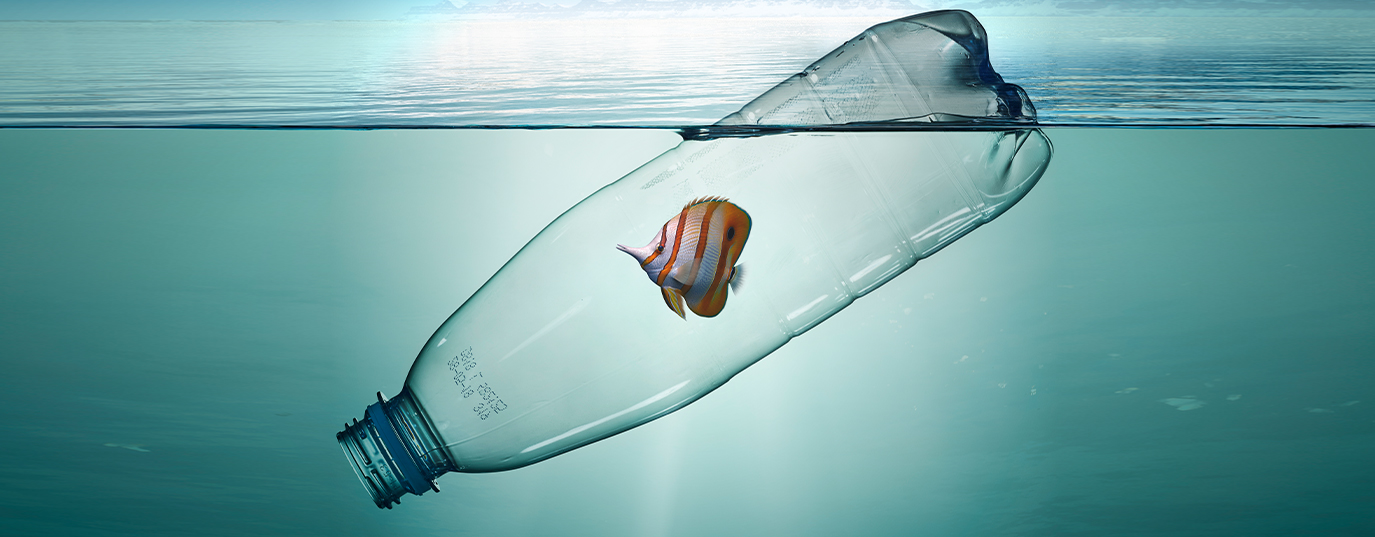
Over the past 30 years, plastic tariffs have fallen on average from 34 percent to 7.2 percent, making it significantly cheaper than eco-friendly alternatives. The UN Conference on Trade and Development (UNCTAD) is reminding people of this ahead of the final round of negotiations on a legally binding international treaty to combat plastic pollution. UNCTAD calls for trade-related measures to be taken into account in these global efforts, the UN press service reports.
In 2023, according to the UN Conference on Plastics, global plastic production reached 436 million metric tons, and the trade volume of plastic products exceeded $1.1 trillion, accounting for 5 percent of total global merchandise trade. While plastic contributes to economic growth across various industries, its negative impact on the environment and the health of the planet is extremely significant.
Seventy-five percent of all plastic ever produced has become waste, mostly ending up in oceans and other ecosystems. Pollution also threatens food systems and human well-being, particularly in small island developing states and coastal communities where resources to combat the problem are limited.
Alternatives to plastic are gaining popularity
According to the latest UNCTAD data, global trade in non-plastic substitutes was worth $485 billion in 2023, with developing countries registering an annual growth rate of 5.6 percent.
These materials, often made from natural sources, can be recycled or composted. However, to expand the use of such solutions, a number of barriers must be overcome, including tariff and non-tariff barriers, limited market access, and weak regulatory incentives.
Tariffs make plastic cheaper
Over the past 30 years, average tariffs on plastics and rubber have fallen from 34 percent to 7.2 percent, making fossil-fuel-based plastics significantly cheaper.
At the same time, tariffs on eco-friendly alternatives such as bamboo, natural fibers, and seaweed average 14.4 percent. This difference deters investment in alternative products, undermines innovation in developing countries, and slows the transition to environmentally friendly solutions, UNCTAD warns.
Regulatory systems are fragmented
Fossil fuels make 98 percent of plastic, and unless urgent action is taken, emissions and environmental damage will only worsen.
Many countries are introducing non-tariff measures—bans and labeling requirements—to curb the spread of harmful plastics. However, regulatory measures vary from country to country, sometimes even contradicting each other, creating a fragmented system and making compliance more costly. Small businesses and exporters from low-income countries are particularly vulnerable, limiting their participation in and benefits from sustainable trade.
The Global Compact is on the home stretch
Meanwhile, international efforts to end plastic pollution by 2040 are gaining new momentum.
From August 5 to 14, the final round of UN-led negotiations aimed at developing a legally binding international treaty to combat plastic pollution will be held in Geneva.
The agreement will cover the entire lifecycle of plastics—from production and consumption to waste management—in a fair and comprehensive manner. It also represents a unique opportunity to integrate trade, finance, and digital tools into a single global strategy.
Ahead of these crucial negotiations, UNCTAD emphasizes that a successful agreement must include:
– reform of tariff and non-tariff measures in support of plastic substitutes;
– investments in waste management infrastructure and the circular economy;
– use of digital tools for product traceability and monitoring of customs compliance;
– policy coherence within the framework of WTO agreements, the UN Framework Convention on Climate Change, the Basel Convention and relevant regional mechanisms.