Translated with AI















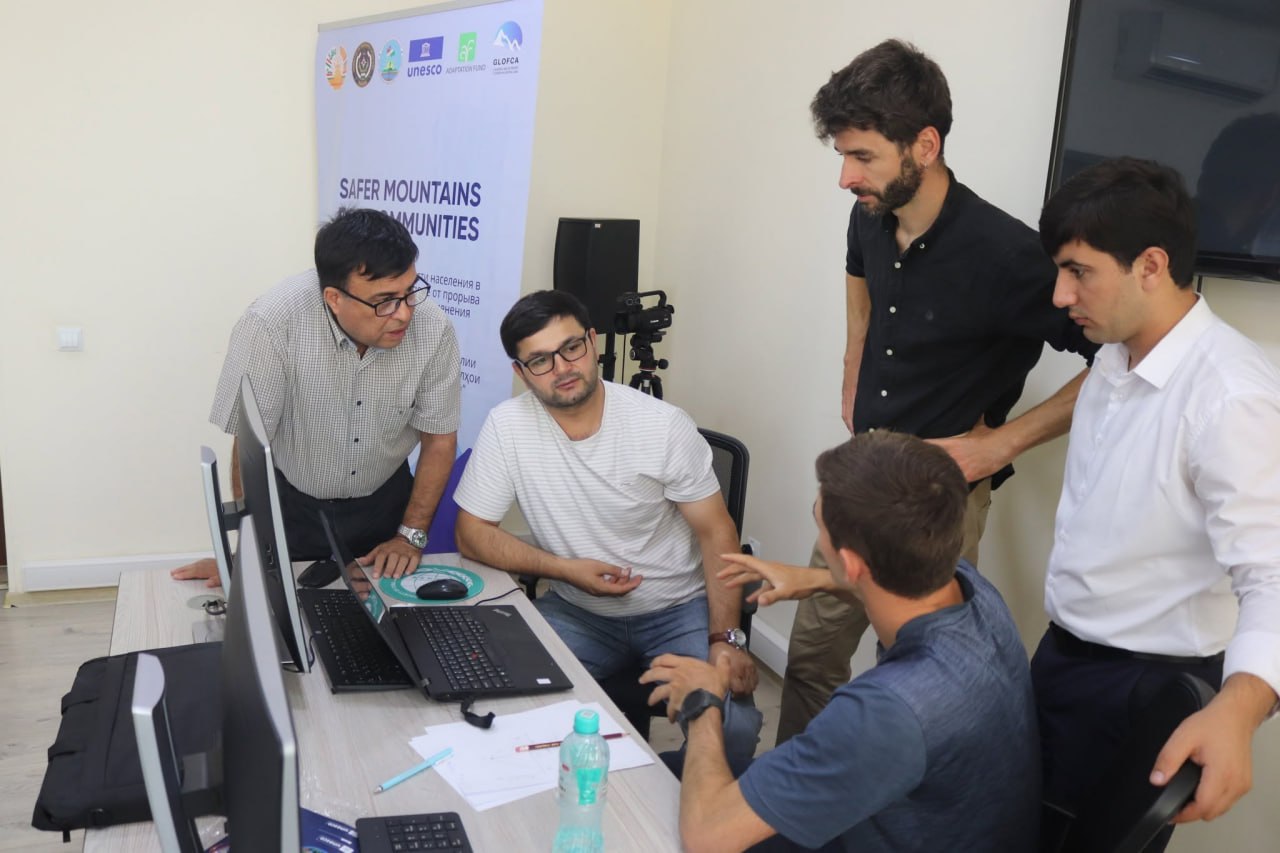

















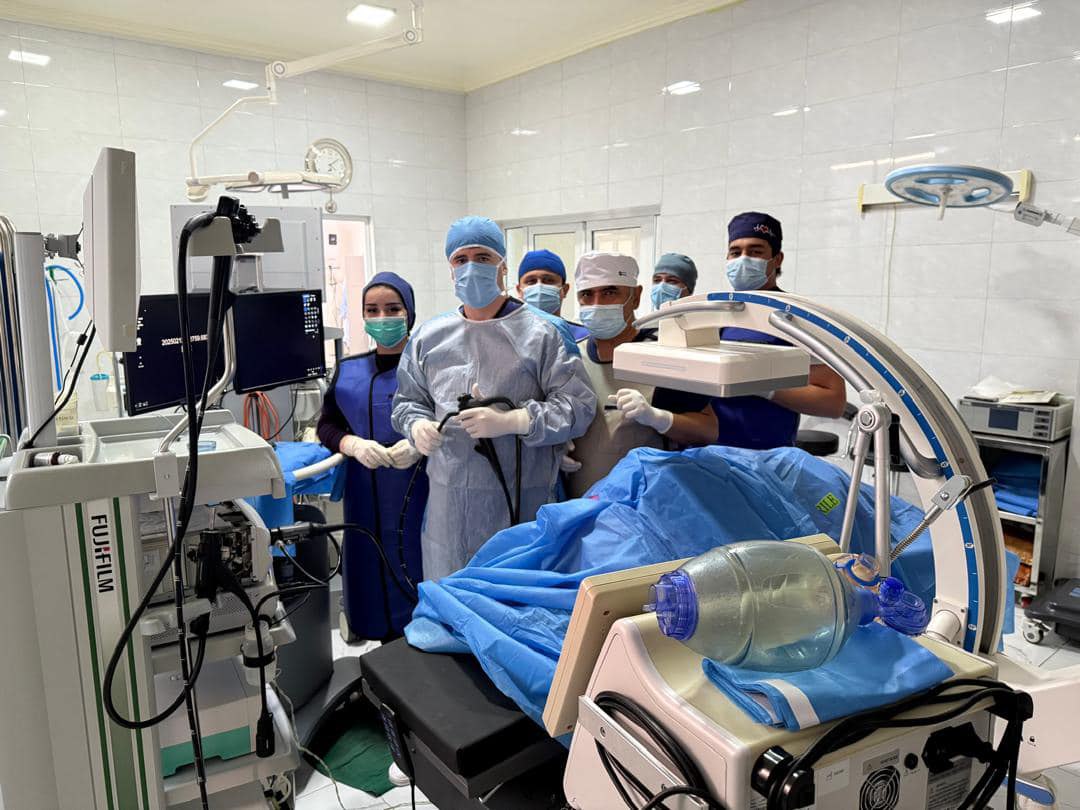
In the first six months of 2025, 39 new diagnostic and treatment methods aimed at expanding citizens' access to modern medical services were introduced in the healthcare system of Tajikistan, the press service of the Ministry of Health of the Republic reported .
Of the total number of innovations, 7 concern diagnostics, and 32 – treatment methods. In the field of diagnostics, updates affected such areas as endocrinology, cardiology, radiology, radiology and ophthalmology.
In particular, new technologies have been introduced, including the identification of primary hyperparathyroidism in patients with thyroid pathologies, the use of artificial intelligence for the comprehensive diagnosis of systemic disorders, and for the first time, the distance between the aorta and the superior mesenteric artery at the level of the lower horizontal part of the descending colon has been measured using computed tomography. In addition, computed tomography of the coronary vessels and heart with synchronization with an electrocardiogram (ECG), magnetic resonance imaging of the male genital organs with contrast to detect Peyronie's disease, as well as an X-ray method for diagnosing the anorectal region in children during irrigography are used.
In the field of treatment, modern methods have been introduced in the field of vascular surgery, endosurgery, traumatology, orthopedics, cardiology, combustiology, ophthalmology, neurosurgery, proctology, transplantology and hematology. Among them are endoprosthetics of the abdominal aorta in case of aneurysm, redressing of tortuous carotid arteries in Takayasu syndrome, trifurcation bypass surgery of the carotid and subclavian arteries, complete stenting of the subclavian arteries using modern technologies.
Simultaneous operations for varicose veins and coxarthrosis were also performed for the first time: minimally invasive phlebectomy at the first stage, and hip replacement at the second. Innovations include cervical decompression surgery with unilateral isolation of the brachiocephalicus trunk, thorascopic resection of mediastinal neurinoma, laparoscopic longitudinal gastrectomy for severe obesity, collection of donor renal veins for liver transplantation, peritoneal dialysis in patients with chronic renal failure and hepatorenal syndrome, osteosynthesis of fractures of the upper ulna, and others.
The Ministry of Health notes that these innovations significantly improve the quality and effectiveness of medical care, and also expand the possibilities for early diagnosis and successful treatment of complex diseases.