Translated with AI

















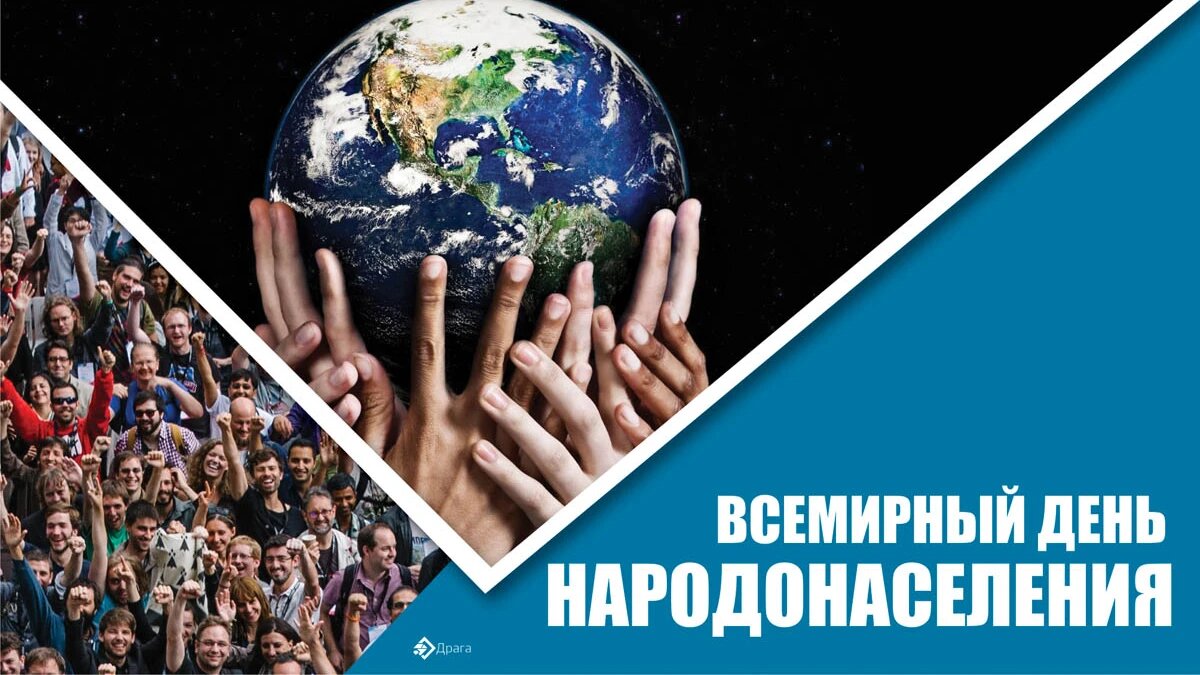
World Population Day, which is celebrated annually on July 11, was established by the UN in 1989 to draw attention to issues of population growth, sustainable development, health, gender equality and human rights, the UN press service reports.
The date is symbolic: on July 11, 1987, the world's population reached five billion people. Since then, this figure has been steadily growing – according to UN estimates, in 2022 the world's population will exceed eight billion.
World Population Day is an occasion to reflect on how demographic processes affect the economy, ecology and social sphere. Particularly acute are the issues of reproductive health, access to education, the fight against poverty, and the protection of the rights of women and children.
World Population Day 2025 focuses on the largest young generation in history. This year’s theme, “Empowering young people to build the families they want in a just and hopeful world,” calls for ensuring that young people have the rights, resources, and opportunities to shape their future.
“On this World Population Day, we reflect on the potential and prospects of the largest young generation in history,” the UN Secretary-General said in a message. “Young people not only shape our future; they demand a future that is equitable, inclusive and sustainable.”
António Guterres recalled that the promise made at the International Conference on Population and Development in 1994 remains relevant today: every person has the right to make informed decisions about their life and their future. However, according to the head of the UN, today's youth face many challenges: economic instability, gender inequality, difficulties in accessing health care, the effects of the climate crisis and armed conflicts. Despite this, young people are showing leadership and courage, demanding the construction of a just and sustainable society.
"They are leading with courage, integrity and clarity. They are calling for systems that protect their rights and support their choices," Guterres said.
António Guterres called on the global community to invest in education, health, decent work and the protection of reproductive rights for young people: “Let us stand with young people and build a future in which everyone can determine their own destiny in a just, peaceful and hopeful world.”
Demographic trends in the modern world
It took hundreds of thousands of years for the world's population to grow to one billion people – then in just another 200 years it grew sevenfold. The world's population is expected to grow to about 8.5 billion by 2030, 9.7 billion by 2050, and 10.9 billion by 2100.
This dramatic increase is due primarily to an increase in the number of people surviving to reproductive age, significant changes in fertility rates, increasing urbanization, and accelerating migration. These trends will have far-reaching consequences for generations to come.
There have been huge changes in fertility rates and life expectancy in the recent past. In the early 1970s, women had an average of 4.5 children; by 2015, the global fertility rate had fallen to less than 2.5 children per woman. Meanwhile, global life expectancy increased from 64.6 years in the early 1990s to 72.6 years in 2019.
In addition, the world is experiencing high levels of urbanization and accelerating migration. 2007 was the first year that more people lived in cities than in rural areas, and by 2050, about 66 percent of the world's population will live in cities.