Translated with AI
























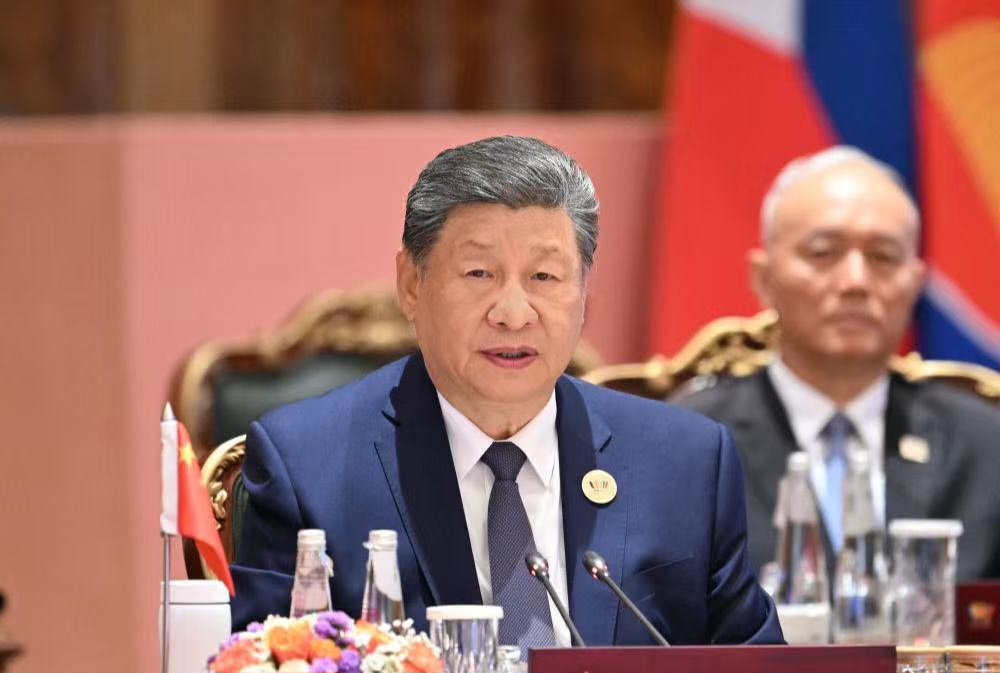







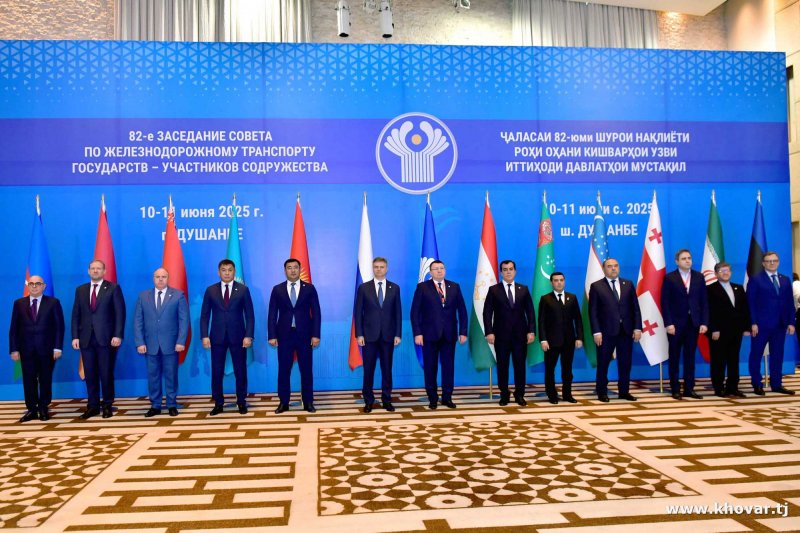
The 82nd meeting of the Council on Railway Transport of the Administrations of the Member States of the Commonwealth of Independent States (CIS) has ended in Dushanbe. During the event, which took place in the capital of Tajikistan, the final protocol was signed, the results of the past year were summed up, and priority areas for further cooperation in the field of railway communication were outlined, NIAT Khovar reports.
The meeting was attended by Deputy Prime Minister of the Republic of Tajikistan Usmonali Usmonzoda, Deputy Minister of Transport of Tajikistan Shoista Saidmurodzoda, Head of the State Unitary Enterprise "Tajik Railways" Komil Mirzoali, as well as delegations of railway administrations of the CIS countries and observer states.

The meeting was opened and chaired by the Chairman of the Council, CEO and Chairman of the Management Board of Russian Railways Oleg Belozerov. In his speech, he emphasized that, in accordance with established tradition, the meeting summarized the results of the previous period, considered issues of increasing the volume of freight and passenger transportation, and approved an updated work plan for the future.
According to him, in 2024, the volume of cargo transportation in the CIS increased by 15 percent. International passenger transportation increased by 13.4 percent and amounted to 9.3 million people. The work of the Council's executive bodies was also highly praised, key areas of development were identified, including digitalization of processes and improvement of logistics solutions.
Particular attention was paid to the activities of the Strategic Group for the Development of International Transport Corridors, created under the Council. The group deals with issues of infrastructure management, coordinating tariff conditions and implementing modern technological solutions in the transport sector.


The Chairman of the Council Directorate, Viktor Popov, presented a report on the work of the Council Directorate, noting that 48 meetings of working groups and expert conferences had been held over the past year. The meeting approved a report on the activities of the Council for Railway Transport for the period from 2020 to 2024, which will be sent to the CIS Executive Committee for consideration at the level of the highest bodies of the Commonwealth.
Following the meeting, a number of representatives of railway administrations were awarded certificates of honor and badges of distinction from the Council for their significant contribution to the development of industry cooperation in the CIS.
The next, 83rd meeting of the Council is scheduled for November 2025 and will be held in Baku, Republic of Azerbaijan.
As noted, the CIS Council for Railway Transport was formed on February 14, 1992, based on the Agreement on the Coordinating Body for Railway Transport. The main task of the Council is to develop coordinated decisions on issues of the functioning of the railway industry of the CIS countries, including the coordination of transportation, technical and information interaction, the development of a unified tariff policy and ensuring traffic safety.
The current meeting was attended by delegations from the railway administrations of Armenia, Belarus, Kazakhstan, Kyrgyzstan, Moldova, Azerbaijan, Russia, Tajikistan, Turkmenistan and Uzbekistan. The railway authorities of Georgia, Iran and Latvia acted as associate members. The railway administrations of Lithuania and Estonia were present on the basis of separate agreements. The International Confederation of Railway and Transport Construction Trade Unions is an observer at the Council.
The Council meets twice a year to consider key industry issues, including the organisation of international transport, maintenance and joint use of rolling stock, train schedules, tariff policy, mutual settlements between administrations, as well as scientific, technical and digital development of the industry.
The railway network of the CIS countries remains one of the largest in the world and plays a key role in ensuring transit between the states of the Eurasian region.