Translated with AI















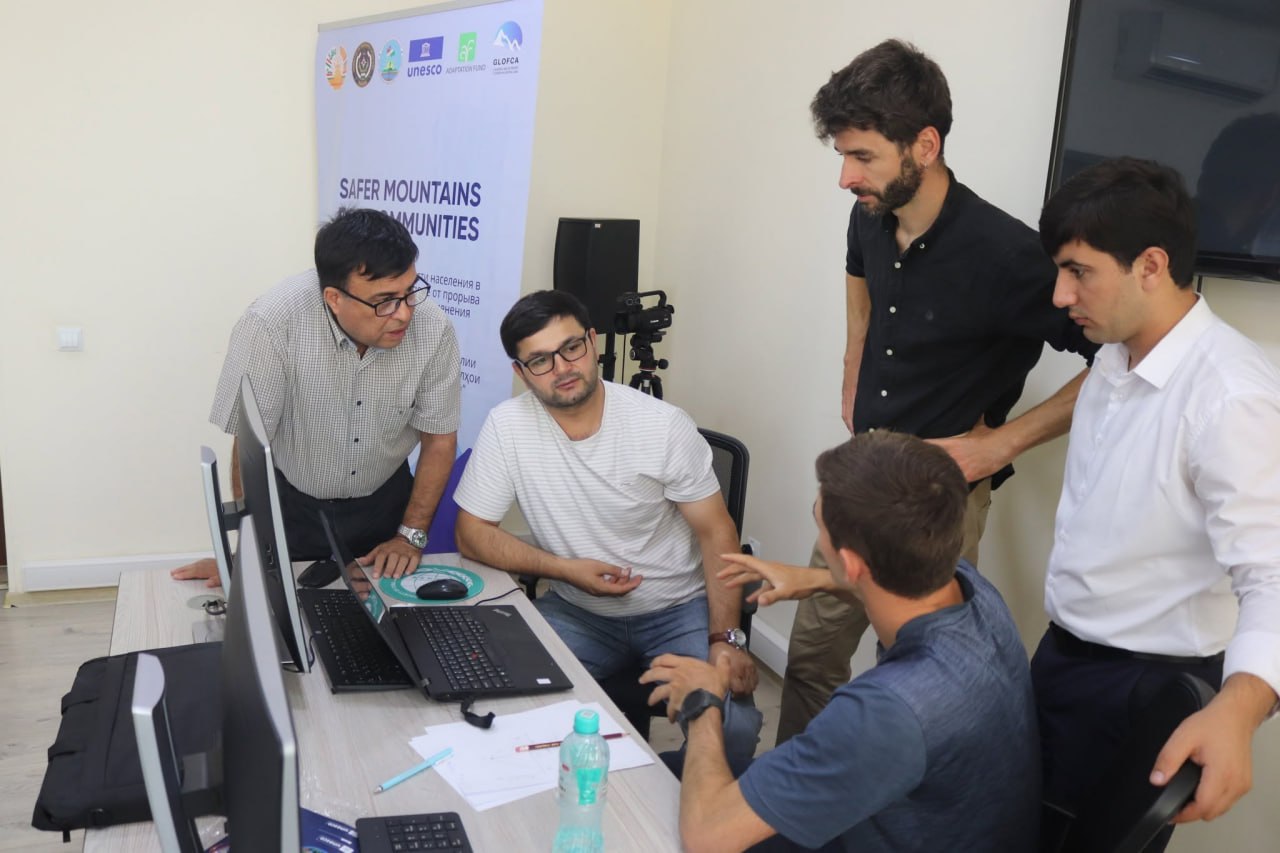

















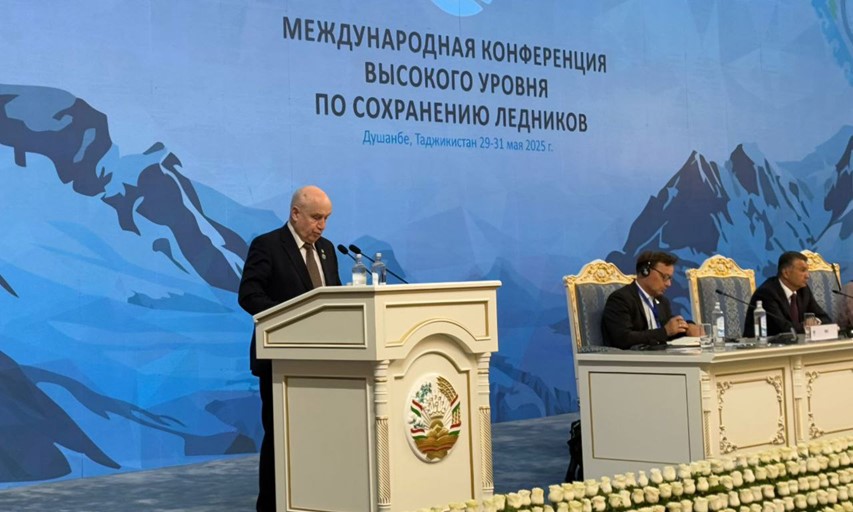
On May 30, 2025, the opening of the International High-Level Conference on Glacier Conservation, which is being held from May 29 to 31, took place in Dushanbe. At the plenary session, CIS Secretary General Sergei Lebedev addressed the audience, the press service of the Organization's Executive Committee reports.
The CIS Secretary General expressed his sincere gratitude to the Government of the Republic of Tajikistan and the organizers of the conference for the invitation to such a representative forum and noted that: "holding such a significant event in the Republic of Tajikistan is very symbolic, since it was on the initiative of President Emomali Rahmon that the United Nations General Assembly declared 2025 the International Year of Glacier Conservation. UN Secretary General Antonio Guterres has repeatedly noted that Tajikistan is a world leader in the issues of water conservation and glacier protection."
Sergey Lebedev also said: "As a result of climate change, about a third of mountain ice has been lost, and this process will continue unless urgent measures are taken to slow it down. The shrinking glaciers reduce the seasonal water supplies needed for water supply, irrigation and hydropower, which has a direct impact on agricultural productivity, food security and energy stability.
If in the 20th century one of the main reasons for geopolitical conflicts and contradictions was the struggle for sources of oil and gas, today the struggle for sources of fresh water is increasingly coming to the fore.
At the same time, the water problems of the Central Asian states are of a regional nature and cannot be resolved by the efforts of just one country in the region. For the equitable use of precious water resources, it is necessary to take joint measures and find reasonable compromises in matters of water consumption and conservation."
The CIS Secretary General drew special attention to the fact that “Central Asian states actively support international and regional initiatives to preserve glaciers, including within the framework of the Commonwealth of Independent States.
Thus, the Action Plan for the implementation of the first stage (2021–2025) of the Commonwealth Economic Development Strategy for the period up to 2030 provides for the development and implementation of proposals for a joint study of the state of glaciers in the territories of the CIS states, as well as cooperation in the implementation of measures to achieve the goals and objectives of the International Decade “Water for Sustainable Development”.
In general, the development of interstate projects and programs in the field of monitoring and protecting the natural environment, as well as nature management, ensuring environmental safety on the scale of the Commonwealth of Independent States is carried out by the Interstate Environmental Council and the Interstate Council for Hydrometeorology.
According to experts, the norms of international law developed by the CIS states in this area can and should be used to develop approaches to the joint conservation and distribution of water resources based on a balance of economic interests of the countries of the region and taking into account their specifics.”
As a reminder, the International High-Level Conference on Glacier Conservation brought together scientists, politicians, representatives of international organizations and other stakeholders to discuss key glacier-related topics. The focus was on glacier monitoring, adaptation strategies to their melting, sustainable financing, scientific research and expanding international cooperation in this area.
The adoption of the Dushanbe Declaration on Glaciers is the main expected outcome of the conference. This document should become a global call for urgent action to prevent further melting of glaciers and eliminate its consequences.