Translated with AI
































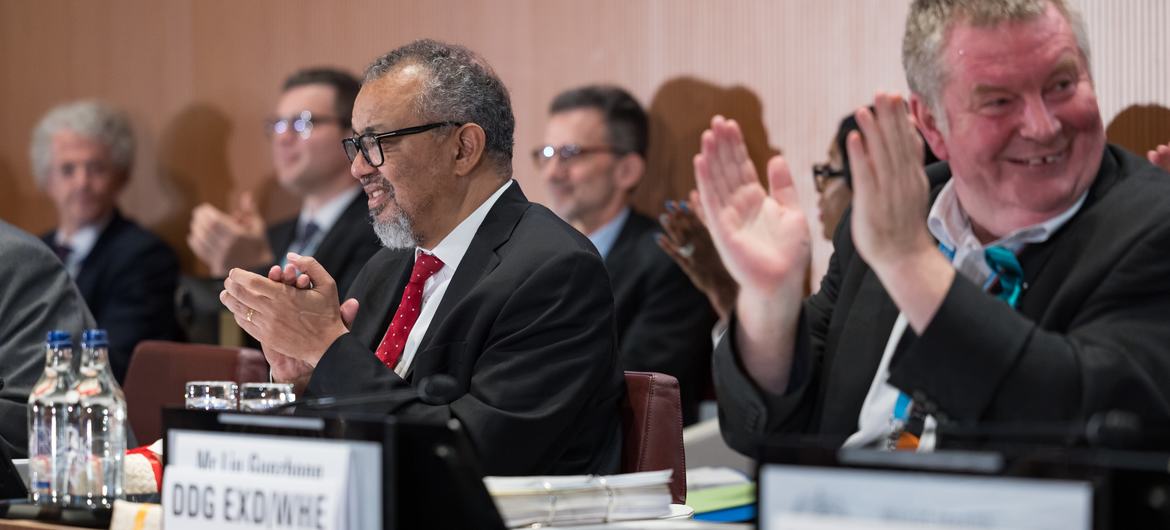
After three years of negotiations that began in the midst of the COVID-19 pandemic, countries have adopted the first-ever international agreement to better prevent, prepare for, and respond to future pandemics. The document is a major step toward strengthening global cooperation to protect lives and prevent the devastating consequences of potential disease outbreaks, the UN press service reported.
The COVID-19 pandemic, which has killed nearly seven million people, overwhelmed health systems and brought the global economy to a virtual standstill. The fallout has prompted the international community to consider the need for an agreement to prevent a similar disaster from happening again and ensure better preparedness in the future.
The historic decision was made at the World Health Assembly, the annual meeting of member states of the World Health Organization (WHO). Although formal approval took place on Tuesday, the majority of countries voted in favor of the agreement on Monday: 124 in favor, 0 against, 11 abstaining. Despite fears of possible disagreement, the adoption of the document took place in an atmosphere of unity and became a cause for celebration.
“This is a victory for public health, science and multilateral cooperation,” said WHO Director-General Tedros Adhanom Ghebreyesus. “The agreement will help us better protect the world from future pandemic threats. It is also a recognition that our citizens, societies and economies must no longer be left defenceless against such losses.”
"A once in a lifetime opportunity"
The pandemic has exposed serious inequalities in access to diagnostics, treatments and vaccines both between and within countries. One of the key aims of the new agreement is to close these gaps and ensure a fairer and more effective approach to future crises.
“Now that the agreement is in place, we must move with equal urgency to implement its key provisions, including building systems to ensure equitable access to life-saving health care,” said Dr. Teodoro Herbosa, the Philippines’ Secretary of Health and the current Assembly president. “If COVID was a once-in-a-lifetime emergency, the WHO Pandemic Agreement is a once-in-a-lifetime opportunity to learn lessons and better protect everyone in the future.”
The issue of national sovereignty has been raised repeatedly during the negotiations, including amid false reports that the WHO is seeking to gain control over countries. However, the text of the agreement explicitly states that it does not give the WHO any power to interfere with national laws, impose travel bans, mandate vaccinations or impose lockdowns.
Next steps
While the agreement was a breakthrough, it is only the beginning of the process. The next step will be the development and agreement of a new Pathogen Access and Benefit Sharing (PABS) system, which will be prepared by an intergovernmental working group.
The outcome of this work is expected to be considered at the next World Health Assembly. Once the PABS annex is approved, the agreement will be open for signature and ratification, including by national parliaments. It will enter into force after ratification by 60 countries.
The agreement also provides for the creation of a new financial mechanism to prevent, prepare for, and respond to pandemics. This includes the establishment of a Global Supply Chain and Logistics Network, which should help remove barriers and ensure timely, safe, and equitable access to essential medical supplies during health emergencies.