Translated with AI




























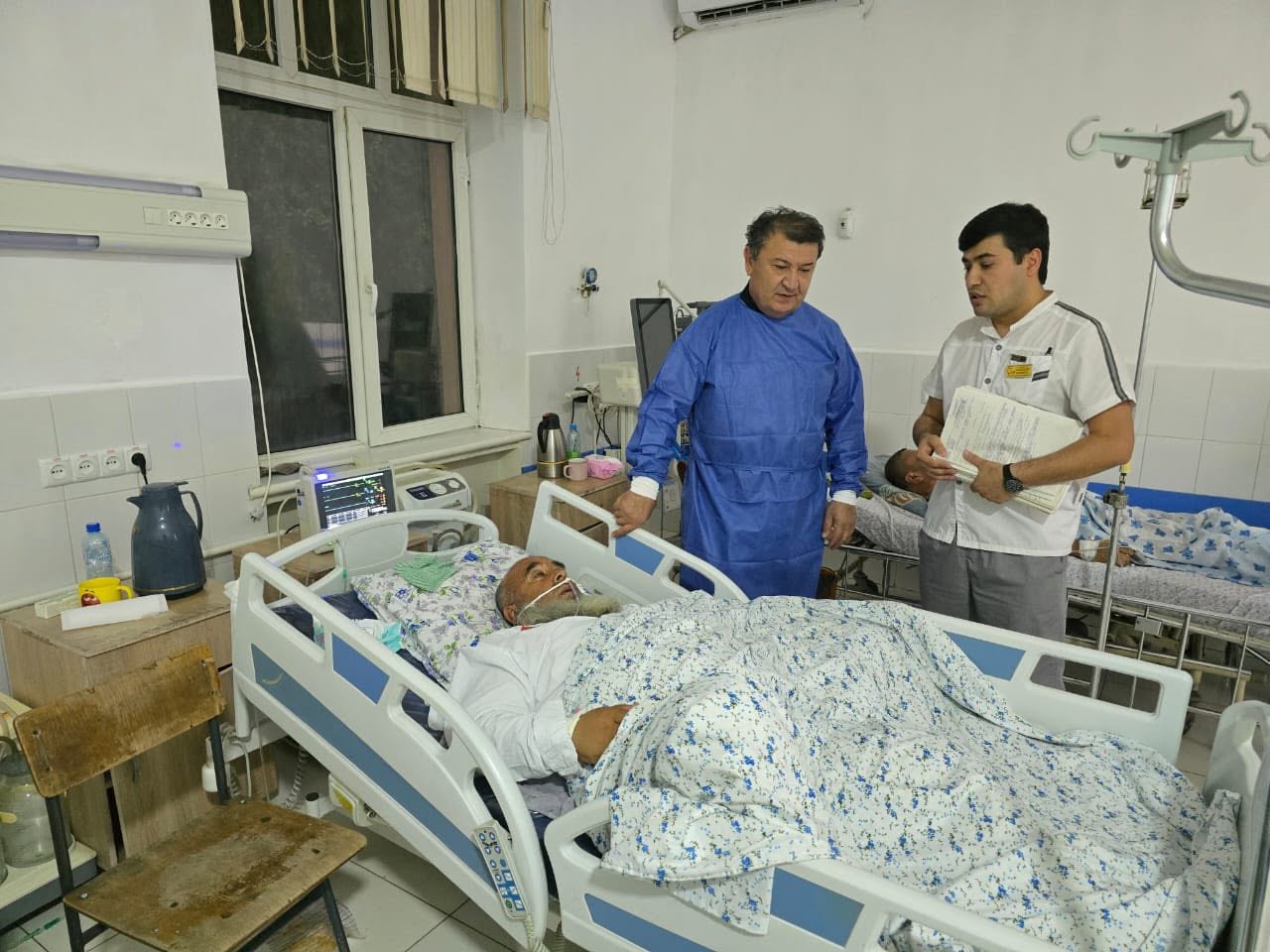
On the night of July 14, 2026, Tajikistan's Minister of Health and Social Protection, Jamoliddin Abdullozoda, visited several medical facilities in Dushanbe and the city of Gissar to review their nighttime operations, the quality of medical care, and patient care. This was reported by the press service of the Ministry of Health and Social Protection of the Population of Tajikistan.
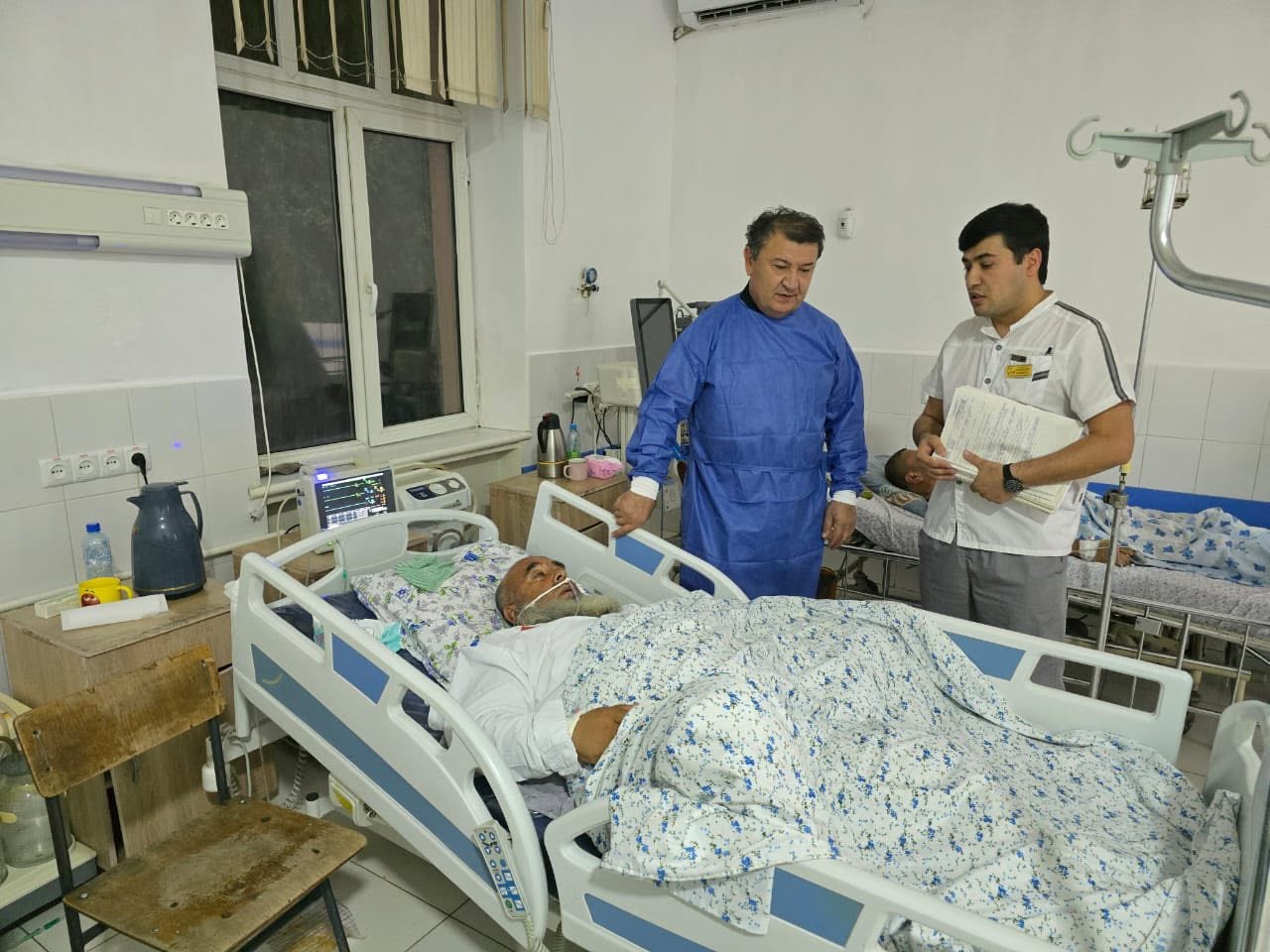
The minister first visited Karim Akhmedov City Medical Center No. 1 in Dushanbe. There, he inspected the emergency, intensive care, and maternity departments, as well as other departments. Particular attention was paid to the admission and hospitalization procedures, the preparedness of on-duty medical teams, the availability of medications and medical equipment, and compliance with sanitary and epidemiological requirements.
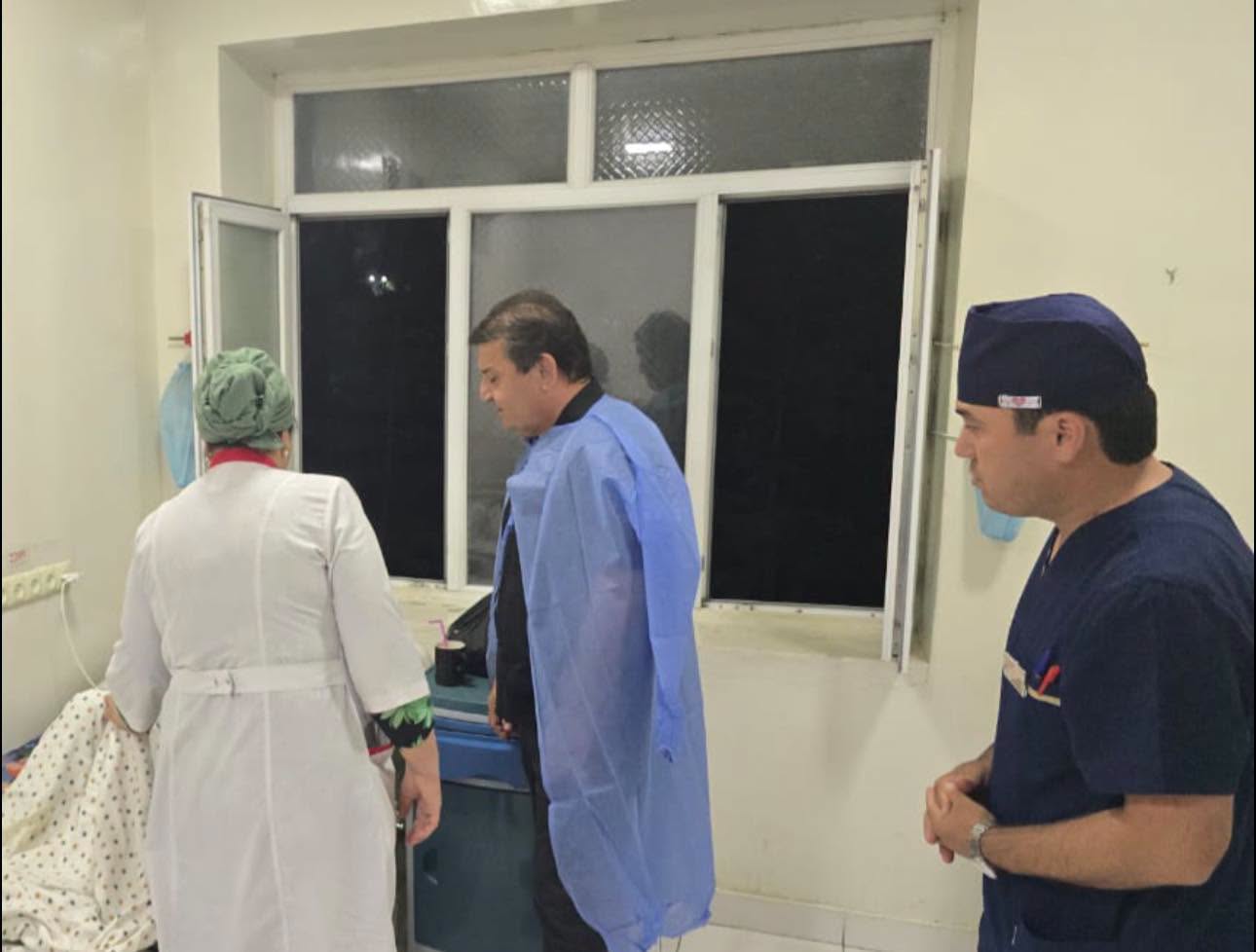
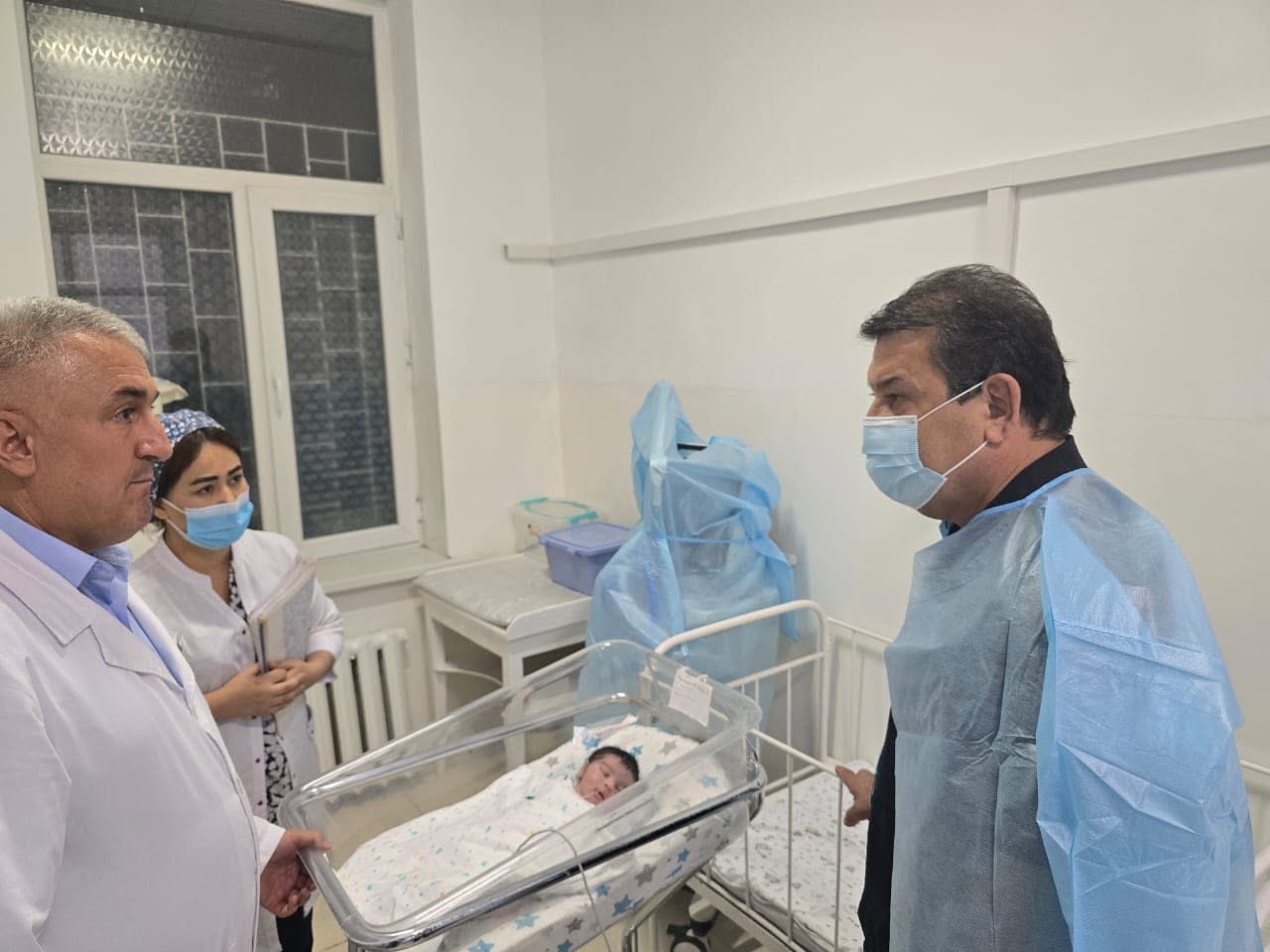
Jamoliddin Abdullozoda then visited the Hisor Central Hospital, where he inspected the maternity ward. During the visit, the minister witnessed a cesarean section, assessing adherence to clinical protocols and the surgical procedure. During the inspection, it was emphasized that cesarean sections should be performed only when medically indicated and in strict compliance with current industry standards.
The Minister also spoke with patients and their relatives, inquiring about their conditions of stay, the quality of medical care, the availability of medications, and the attitude of medical staff.
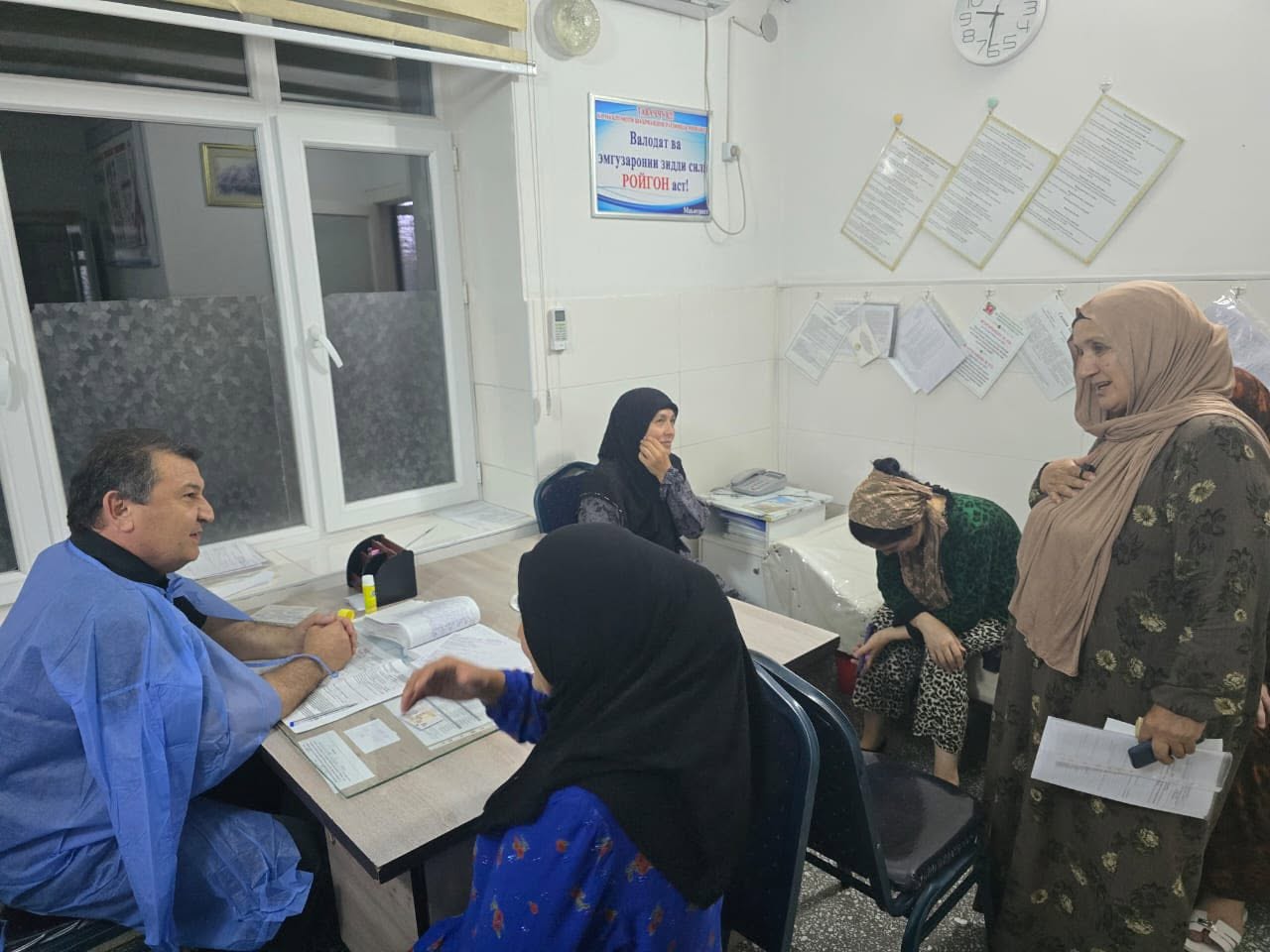
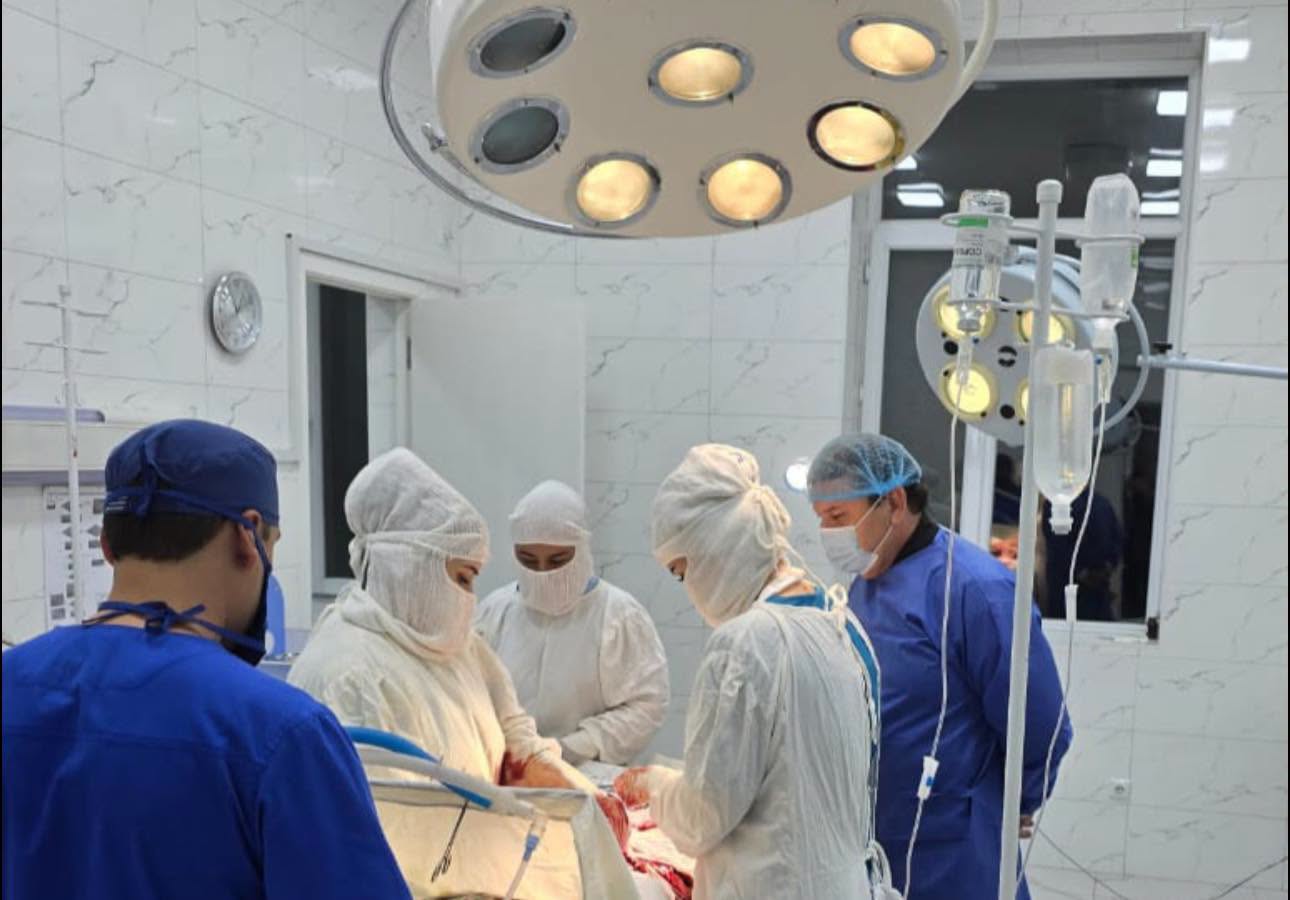
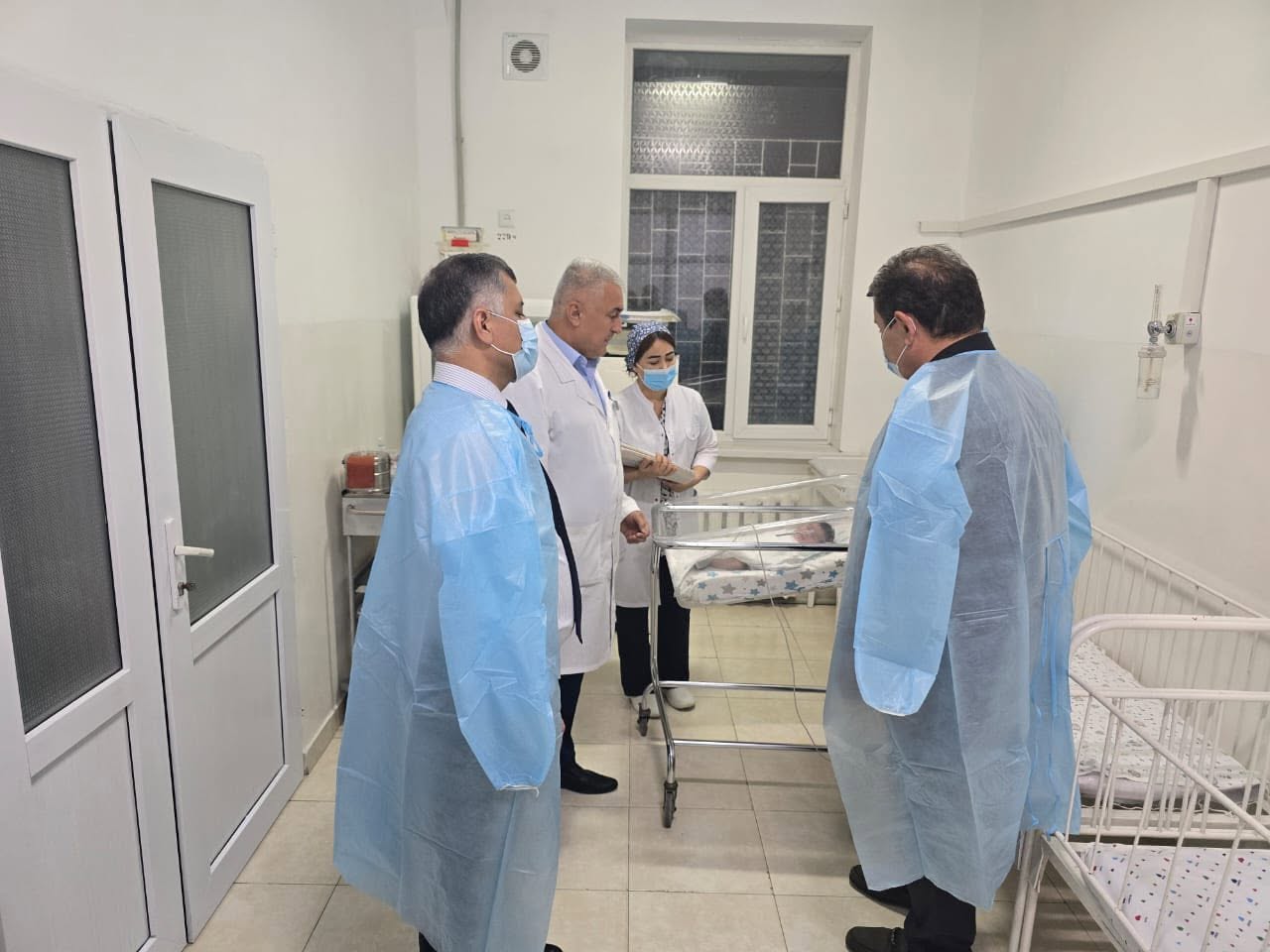
During his visit, Jamoliddin Abdullozoda noted that improving the quality of medical services, ensuring the safety of mothers and children, mandatory adherence to clinical protocols, and the rational use of modern diagnostic and treatment methods remain key tasks for every healthcare worker.
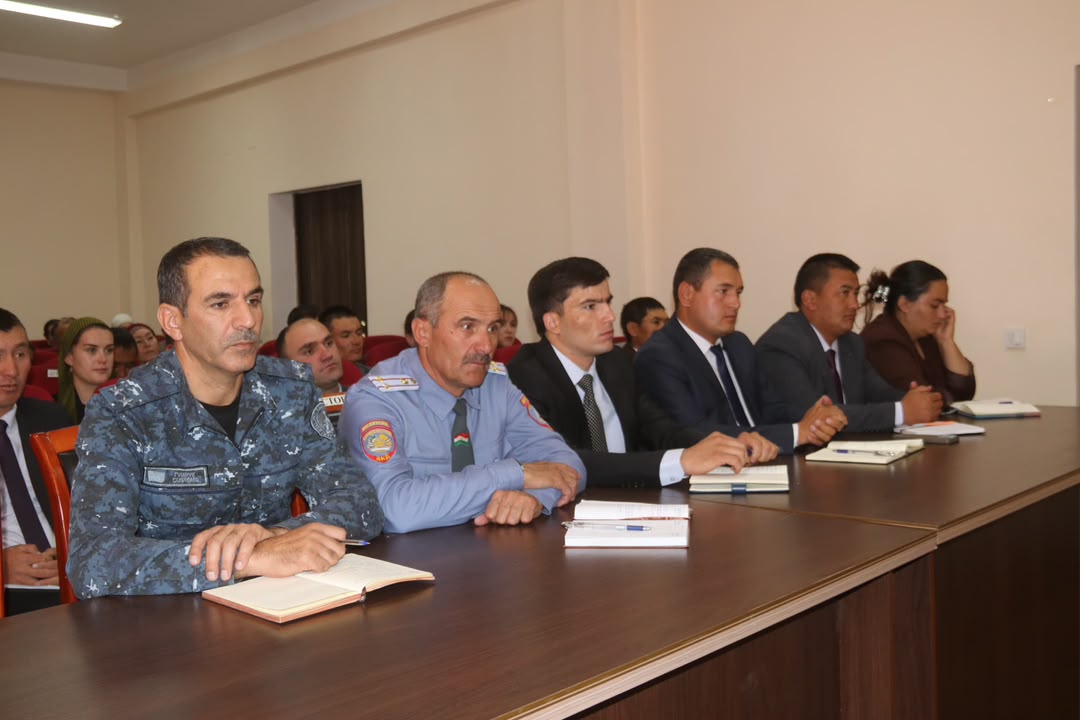
Following the inspection, the Minister gave the heads of medical institutions specific instructions regarding strengthening internal quality control of medical care, ensuring the smooth operation of night shifts, increasing the professional responsibility of medical workers, compliance with medical ethics standards, and strengthening oversight of the appropriateness of cesarean sections and other surgical procedures.