Translated with AI
































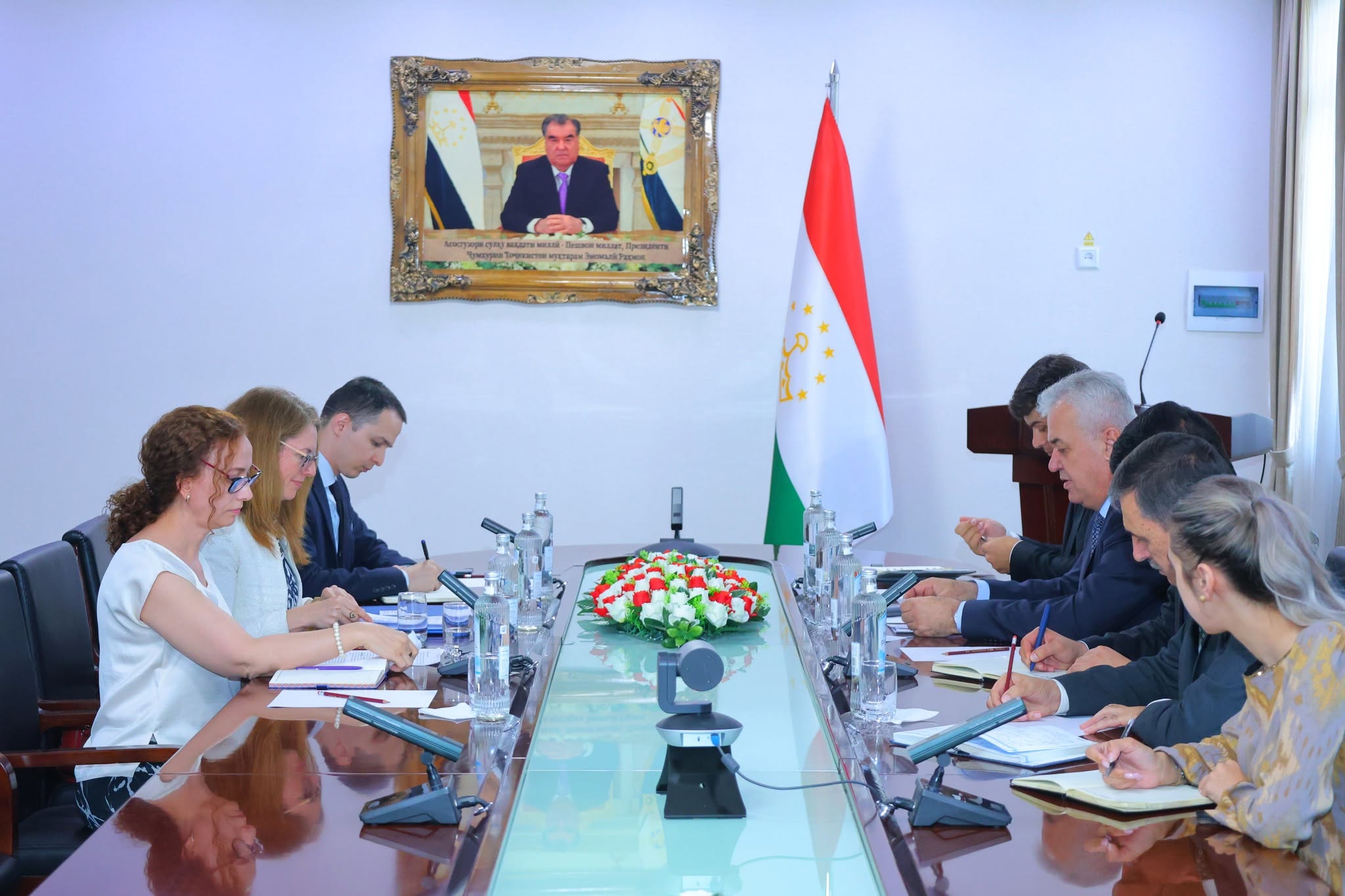
On June 23, 2026, Minister Rahim Saidzoda met with Catherine Smithton, Ambassador Extraordinary and Plenipotentiary of the United Kingdom of Great Britain and Northern Ireland to the Republic of Tajikistan, at the Ministry of Education and Science of Tajikistan. This was reported by the press service of the Ministry of Education and Science of Tajikistan.
Representatives of the British Embassy in Tajikistan and senior ministry officials also took part in the meeting.
Welcoming the guests, Rahim Saidzoda expressed satisfaction with the development of friendly relations and mutually beneficial partnership between Tajikistan and the United Kingdom, particularly in education, science, and higher education. He stated that cooperation between the two countries, based on mutual respect, shared interests, and trust, has entered a new stage of practical collaboration.
The signing of a Memorandum of Understanding between the Ministry of Education and Science of Tajikistan and the UK Foreign, Commonwealth, and Development Office on cooperation in science, higher education, and English for Special Purposes was cited as a significant milestone in the development of bilateral cooperation. The document was signed on February 26, 2026, in London.
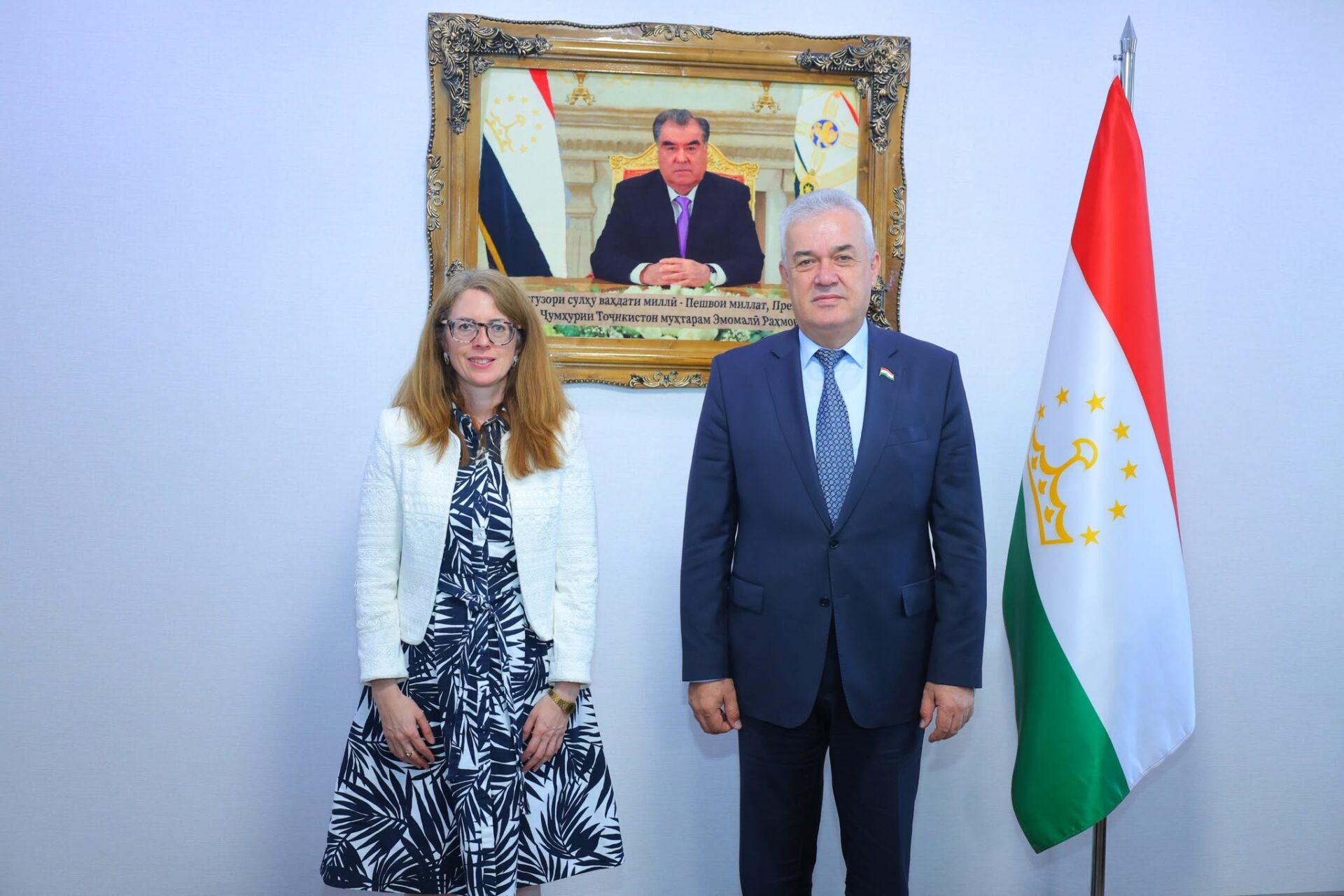
It is noted that the memorandum creates a favorable basis for expanding cooperation in areas such as the development of higher education, joint scientific research, improvement of English language teaching, academic exchange of students and teachers, improvement of the quality of education, as well as the introduction of modern technologies and digitalization of the educational system.
During the meeting, the minister noted that the government of Tajikistan, under the leadership of President Emomali Rahmon, places special emphasis on developing education and science, improving the quality of education, training competitive specialists, and aligning the education system with international standards. In this regard, he stated, studying and implementing advanced British practices is of strategic importance for the further development of the country's educational sector.
The parties also commended the expansion of cooperation between Tajikistan's higher education institutions and leading UK universities. Examples cited included contacts with the Universities of Oxford, Cambridge, and Westminster, the Quality Assurance Agency for Higher Education, the British Council, and other scientific and educational institutions.
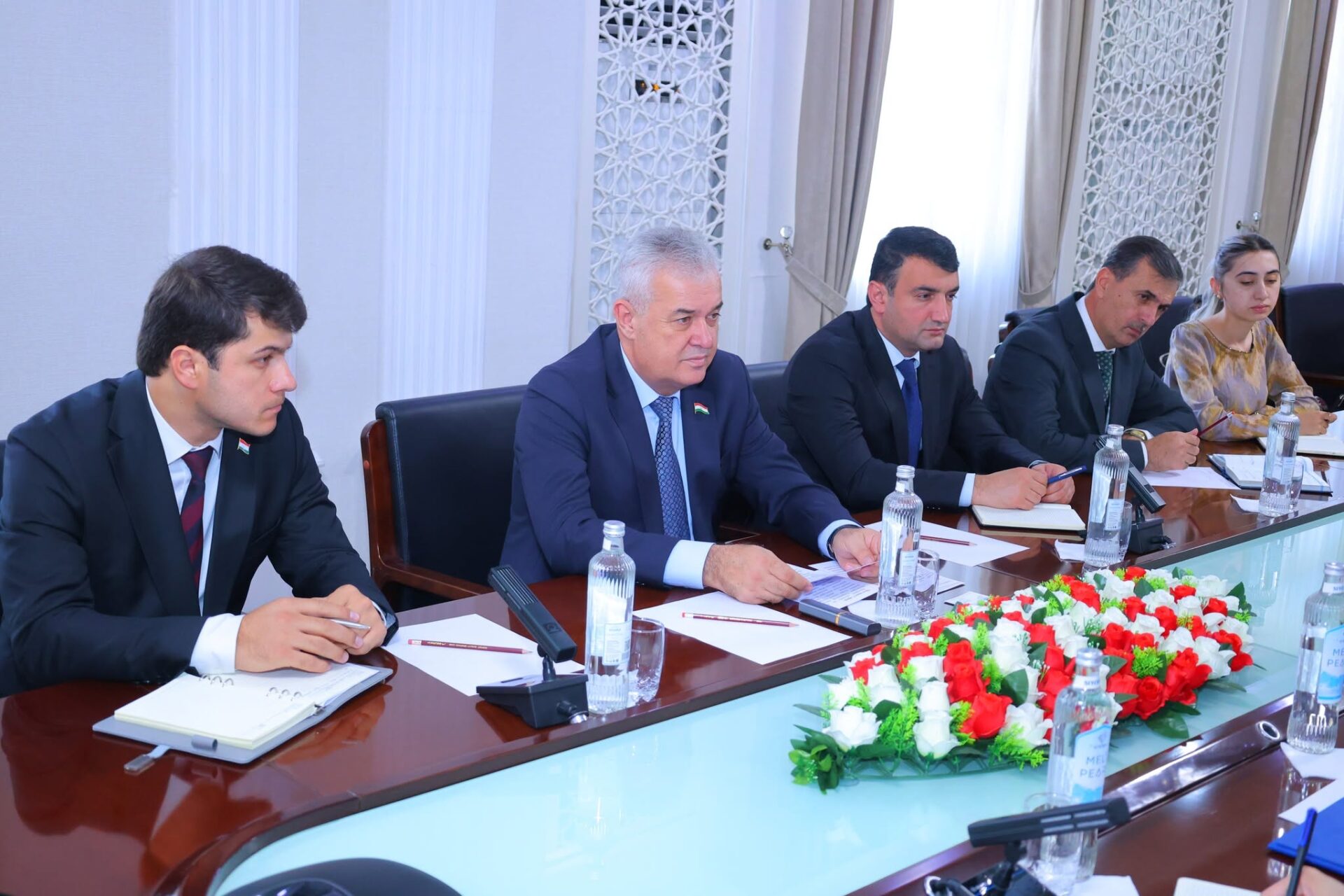
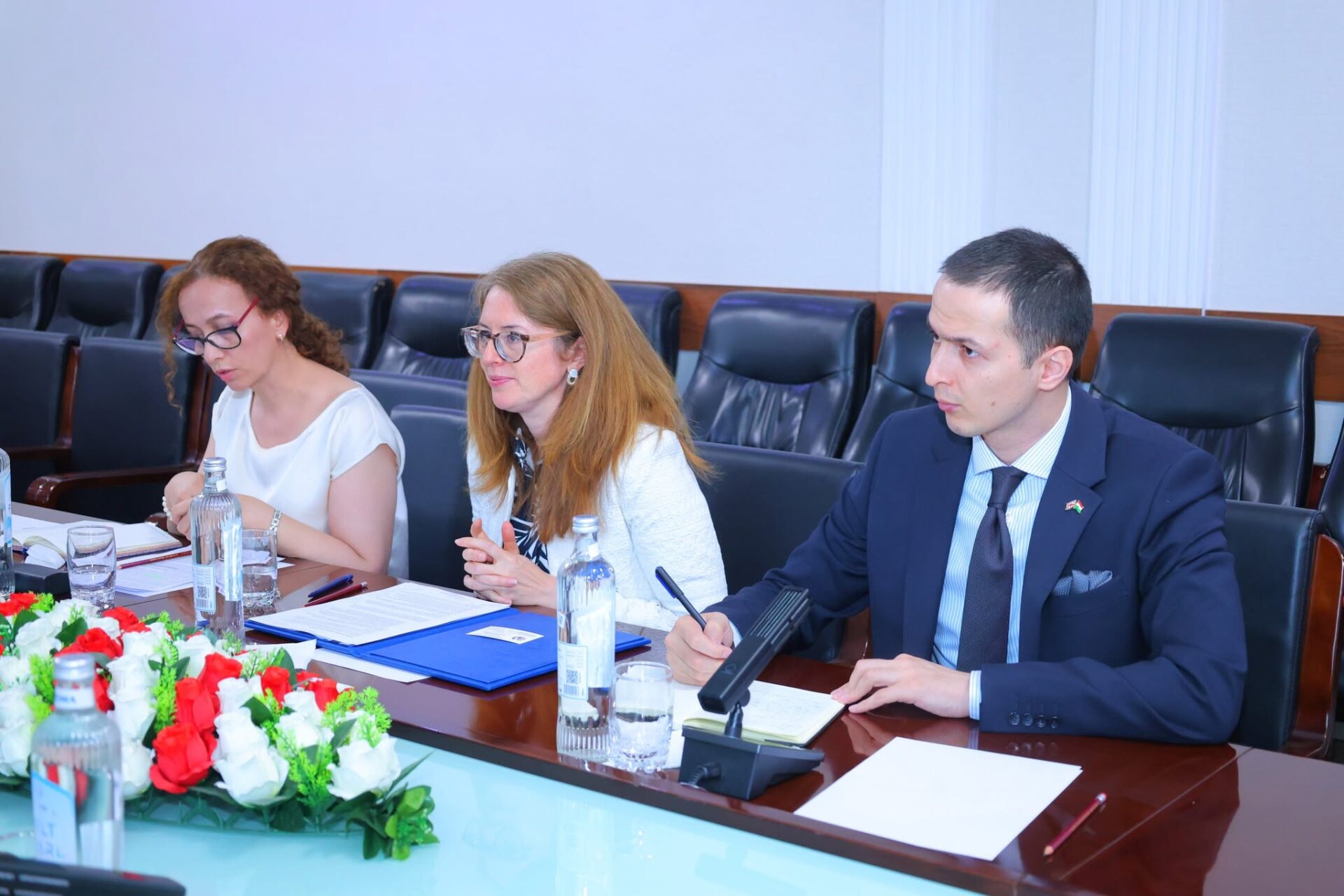
In addition, the meeting participants reviewed the results of the Tajik Ministry of Education and Science delegation's participation in the 2026 Global Education Forum, held in London. The discussion addressed the opening of a branch or representative office of a leading British university in Tajikistan, the development of joint educational programs, the implementation of dual degree programs, the digitalization of education, the use of artificial intelligence technologies in the educational process, teacher training, and the development of inclusive education.
The parties confirmed their readiness to further expand cooperation in implementing joint educational programs, developing digital education, improving the education quality assessment system based on international experience, expanding academic exchange programs for students and faculty, and strengthening scientific and innovative collaboration.
In turn, Catherine Smithton emphasized the UK's commitment to continuing cooperation in education, higher education, English language studies, scientific research, and the implementation of joint projects. She also praised Tajikistan's achievements in implementing educational reforms and developing international cooperation.