Translated with AI





















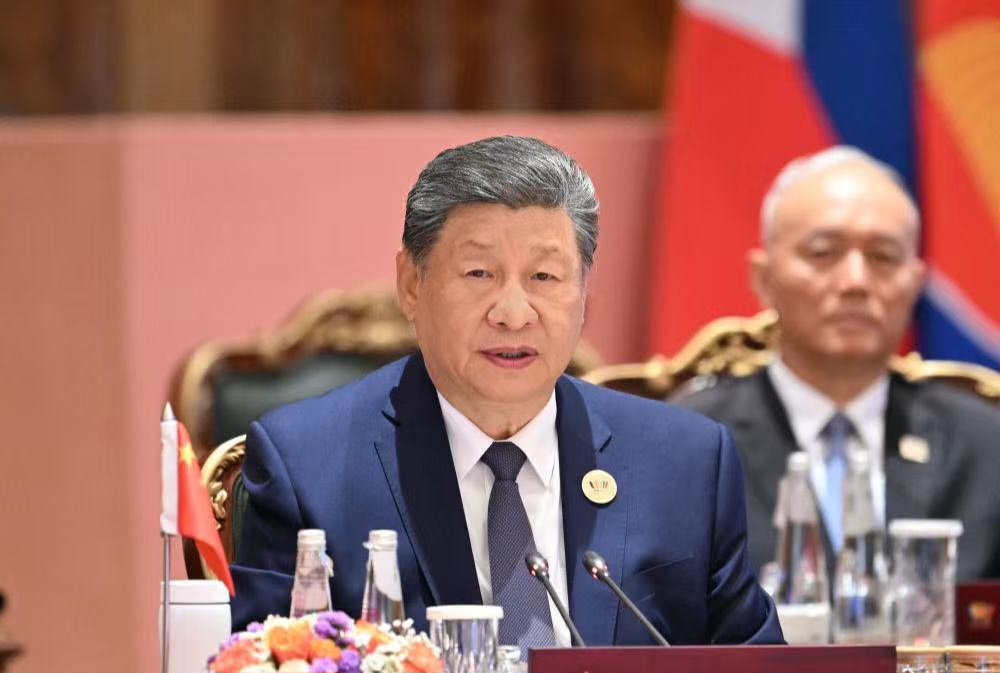
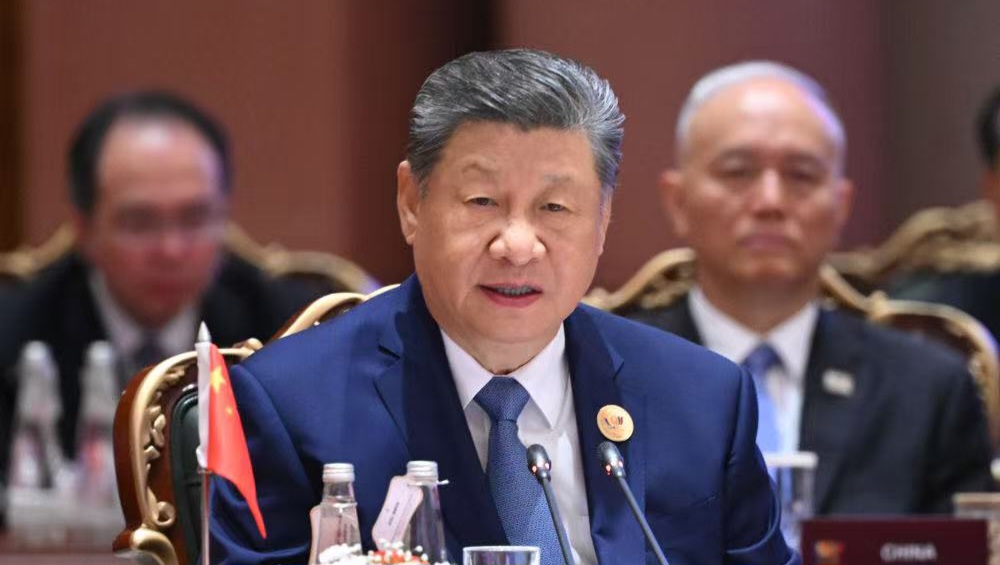






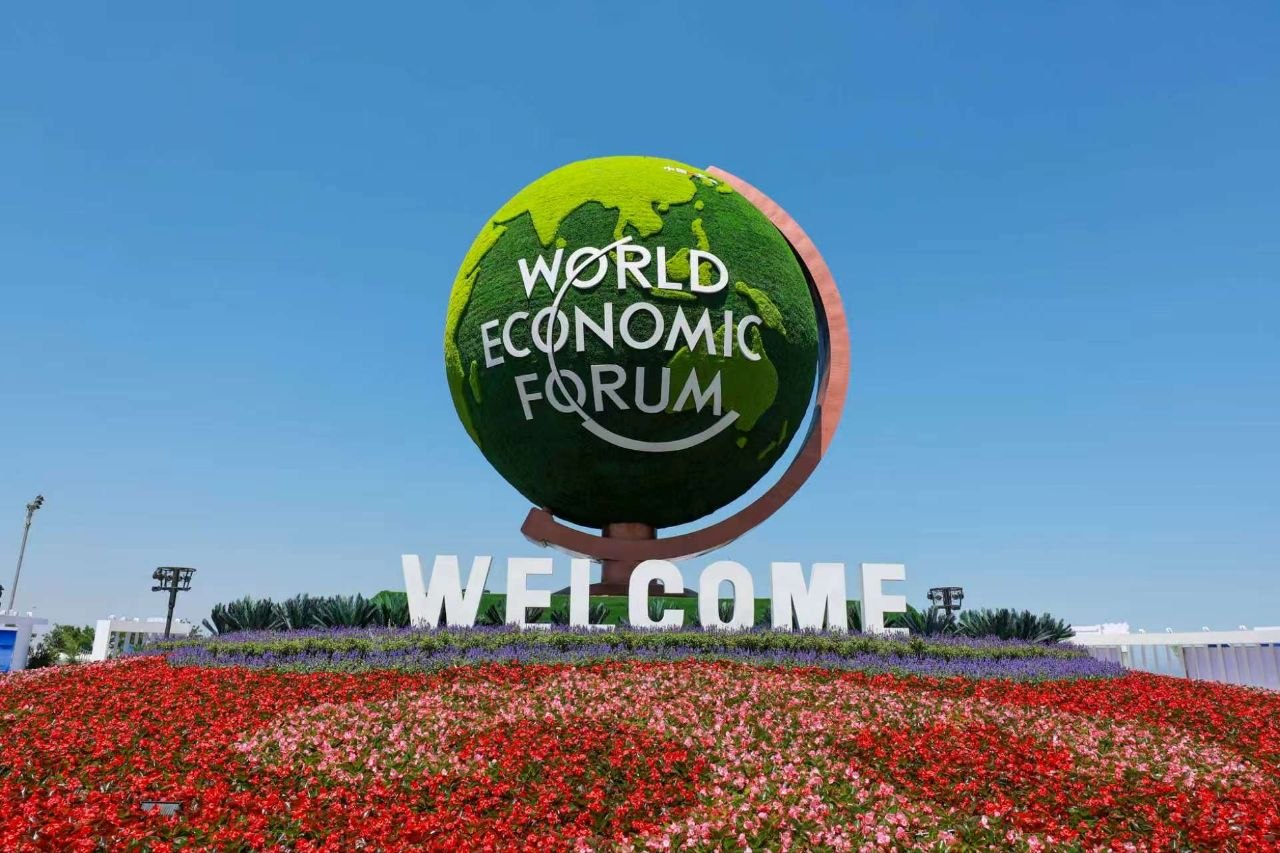
From June 23 to 25, 2026, Summer Davos, the 17th annual meeting of the World Economic Forum (WEF) emerging leaders, will be held in Dalian, China. The forum is attended by approximately 1,700 representatives of political, business, and academic circles from more than 90 countries and regions. The agenda focuses on global economic growth, technological innovation, industrial restructuring, and international cooperation.
This year, the forum's main theme was "scaling innovation." One of its five key areas of focus was the question of China's development trajectory in the next phase, particularly as the 15th Five-Year Plan begins. Against the backdrop of a weak global economic recovery, geopolitical tensions, and the restructuring of trade chains, this focus reflects the international community's persistent interest in how China's economic growth model is transforming.
Over the past two decades, the outside world has assessed China's economy primarily by its growth rate. But this emphasis is gradually shifting: amid the restructuring of global supply chains, escalating trade tensions, and the fading of traditional growth drivers, short-term slowdowns are increasingly viewed not as a glitch, but as the price of transitioning to a more sustainable model.
This shift is already visible in certain sectors of the economy. A prime example is the new energy vehicle (NEV) sector. Having evolved from a stage where its development was driven by government support and domestic demand, China has become the world's largest producer and consumer of electric vehicles. The industry has developed a relatively complete value chain—from battery production to finished vehicles, autonomous driving systems, and charging infrastructure—tested by a large domestic market. The competitiveness of China's NEV sector is determined not by isolated technological breakthroughs, but by continuous improvement and economies of scale, which ensure cost reductions as technology is widely adopted.
By contrast, it's worth looking at the artificial intelligence sector—it's at a different stage. Unlike the new energy vehicle sector, rapid technological breakthroughs still predominate here, but the gap between them and large-scale industrial adoption remains significant. This contrast demonstrates that different sectors within a single economy don't always develop in sync: some have already progressed from innovation to industrial adoption, while others are still in the process of achieving technological breakthroughs and seeking ways to commercialize them on a large scale. This divergence in development stages shouldn't be surprising in itself—the question it raises is far more important. China's growth potential may no longer be determined so much by its ability to achieve new technological breakthroughs, but rather by its ability to consistently transform innovations into sustainable, replicable, and scalable industrial capabilities.
These changes are visible not only at the level of individual industries but are also increasingly evident spatially, at the level of cities and regions. Dalian, host of Summer Davos, serves as a prime example. While it doesn't offer a ready-made answer to the question of how to scale innovation, it does offer a glimpse into the practical challenges that accompany this process.
As one of the largest port and industrial centers in northeast China, Dalian still relies on petrochemicals, mechanical engineering, and other traditional industries. At the same time, the city is attempting to develop new sources of growth by developing the digital economy, high-tech manufacturing, and maritime technologies. However, the key issue is not so much the emergence of new industries as the ability to integrate new technologies into the existing industrial base.
The digital modernization of manufacturing facilities and the implementation of intelligent solutions in port infrastructure remain a work in progress. However, it is here that one of the central challenges of the next stage of Chinese economic development becomes particularly apparent: how traditional industrial clusters can adapt to more digital, standardized, and data-driven production and management models.
Scaling innovation—whether at the level of industries or urban development strategies—is impossible without a high degree of openness to the outside world. That's why this topic is a central focus on the agenda of this year's Summer Davos.
China is gradually shifting from a model of openness based primarily on factor mobility to deeper institutional openness. On the one hand, expanded market access and an improved business environment allow global innovative resources to contribute to the modernization of domestic industry. On the other hand, Chinese companies are testing products and business models in foreign markets and then transferring their accumulated experience back home, thereby accelerating the adoption and scaling of innovation.
In this sense, a high degree of openness is not just a condition for economic growth, but an important mechanism for the diffusion of innovations, their practical application, and their transformation into scalable industrial capabilities.
Scaling innovation is far from easy. External uncertainty, the pressures of structural adjustment, and demographic changes will continue to hinder this process. This year's "Summer Davos" is unlikely to offer a ready-made solution. But it does offer an important perspective: when an economy strives to shift from speed to quality, the real challenge is not whether technological breakthroughs have been achieved, but whether innovations can scale and gradually transform into replicable industrial capabilities.
This process inevitably remains complex and uneven. But for an economy that is redefining its own growth logic, the very question itself is perhaps more powerful than any ready-made answer. (Photo: VCG)
Author: Tang Yinnan