Translated with AI

































The socioeconomic development of Central Asian countries is simultaneously an important element of the Russian labor market. After the collapse of the USSR, a stable migration system emerged, with Russia becoming the main center of attraction for labor from Tajikistan, Uzbekistan, and Kyrgyzstan.
However, in the mid-2020s, a qualitative transformation in the architecture of migration processes has been observed. Migration is increasingly viewed less as a mechanism for labor redistribution and is increasingly becoming a tool for geopolitical competition for human capital.

Source: tipcenter.uz
Migration policy is becoming one of the key factors determining the future of Russian-Central Asian relations. While labor migration was previously viewed primarily in an economic context, today it is taking on the characteristics of a political, informational, and strategic "test" of bilateral relations.
Information dimension of migration
The modern information space is characterized by the rapid dissemination of information. Any events related to migrants quickly become the subject of public attention, especially if they are negative. Bloggers and independent online platforms play a significant role in this process, creating an alternative narrative to traditional media.
Unlike traditional media, the blogosphere isn't always subject to editorial policies and institutional restrictions, which increases speed but reduces the degree of information verification. As a result, isolated incidents can quickly escalate into large-scale information campaigns.
Perception in Central Asian countries
Central Asian countries are closely monitoring the situation regarding labor migrants in Russia. The lack of public reaction does not mean a lack of public perception: assessments are formed at the level of mass consciousness and can have a long-term impact on political and economic decisions.
Thus, the issue of migration is gradually moving beyond the economic sphere and becoming a factor in foreign policy perceptions. The negative information surrounding migrants can transform into a broader context of interstate relations.
Isolated cases of crime committed by migrants often generate disproportionate public attention in the digital environment, shaping generalized negative stereotypes. Meanwhile, millions of law-abiding migrant workers remain largely undisclosed.
Geopolitical consequences of migration
If public opinion in Central Asian countries begins to persistently perceive Russia as a high-risk area for migrants, this could impact the overall level of trust between the countries. In the long term, such processes could impact political and economic relations.
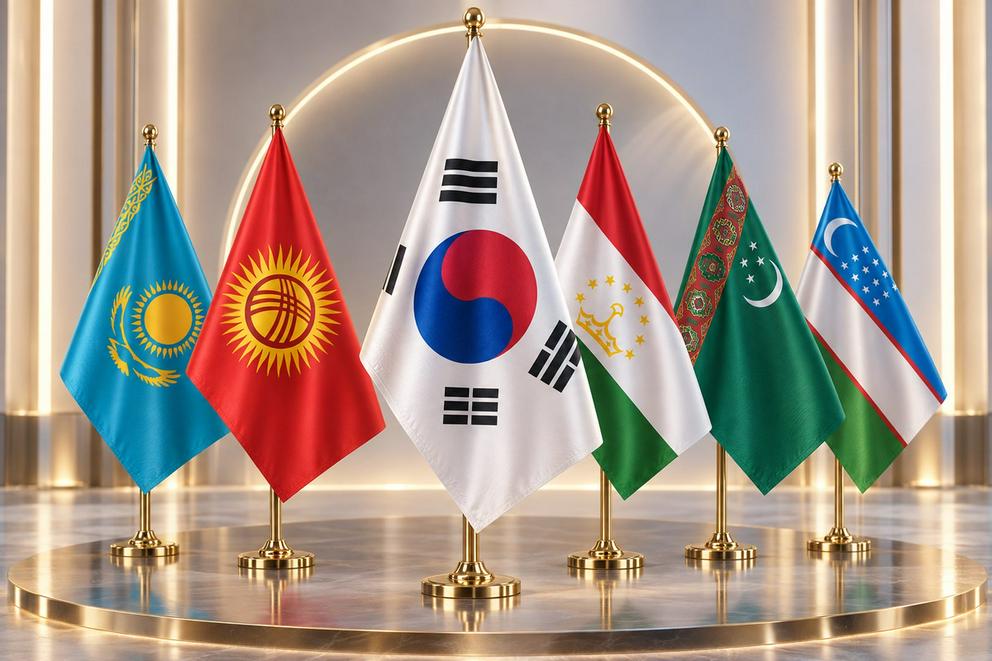
At the same time, Central Asia is increasingly integrating into global migration and investment processes. The European Union is strengthening its presence in the region, launching large-scale investment programs, including the €12 billion Global Gateway initiative. The EU remains one of the largest investors in the region.
The UK is expanding its seasonal labor migration programs, and the US is developing cooperation with Uzbekistan through the H-2A visa program, which provides for seasonal employment. South Korea continues to use the EPS (Employment Permit System), ensuring the legal employment of foreign workers.
Diversification of migration flows
In recent years, migration destinations in Central Asian countries have diversified. Along with Russia, migration is increasingly focused on Europe, East Asia, and the Persian Gulf countries.
At the same time, competition between countries for labor is increasing. Migrants are increasingly considering alternative destinations based not only on salary levels, but also on living conditions, social protection, and the social climate.
The blogosphere as a factor in migration policy
The emergence of bloggers and social media has become a key factor in transforming public perceptions of migration. While information flows were previously controlled primarily by traditional media, today a significant portion of the agenda is shaped by the digital environment.
Bloggers are able to shape public opinion about large social groups in a very short time. At the same time, isolated negative incidents can be interpreted as characterizing the entire migrant community, which exacerbates social tensions.
Thus, the information dimension becomes an important element of migration policy and foreign policy communication.
Migration as a factor in foreign policy
In today's world, migration is becoming a tool of "soft power." Attitudes toward migrants are beginning to be perceived as an indicator of attitudes toward their countries of origin.
In Central Asian countries, public attention to the protection of citizens' rights abroad is growing. Any instances of discrimination or unfair treatment can quickly become a subject of public debate and influence the perception of strategic partnerships.
Global competition for human capital
Contemporary migration processes reflect global competition for labor. According to the UN and the International Organization for Migration, many developed countries are facing demographic aging and labor shortages.
Germany, Japan, South Korea, the UK, and the Gulf states are actively developing programs to attract foreign workers. Under these conditions, migrants are becoming not a social problem, but an economic resource.
Demographic Outlook for Central Asia
Central Asia remains one of the fastest-growing regions in Eurasia. The region's population is approximately 83 million and could exceed 110 million by the mid-21st century. The largest population growth will occur in Uzbekistan, Tajikistan, and Kyrgyzstan.
Population growth creates significant pressure on the labor market, education, and infrastructure, while simultaneously creating demographic potential for economic growth.
Labor migration is gradually becoming a key factor in Russian-Central Asian relations. It extends beyond the economic process and becomes an element of political trust, public perception, and strategic partnership.
In the 21st century, the key competition is not only for resources and technology, but also for human capital. States that can ensure fair, transparent, and predictable conditions for migrants will strengthen their position in the global system.
Thus, migration policy becomes an indicator of the quality of international relations and a key factor in the long-term sustainability of regional cooperation.
Author :
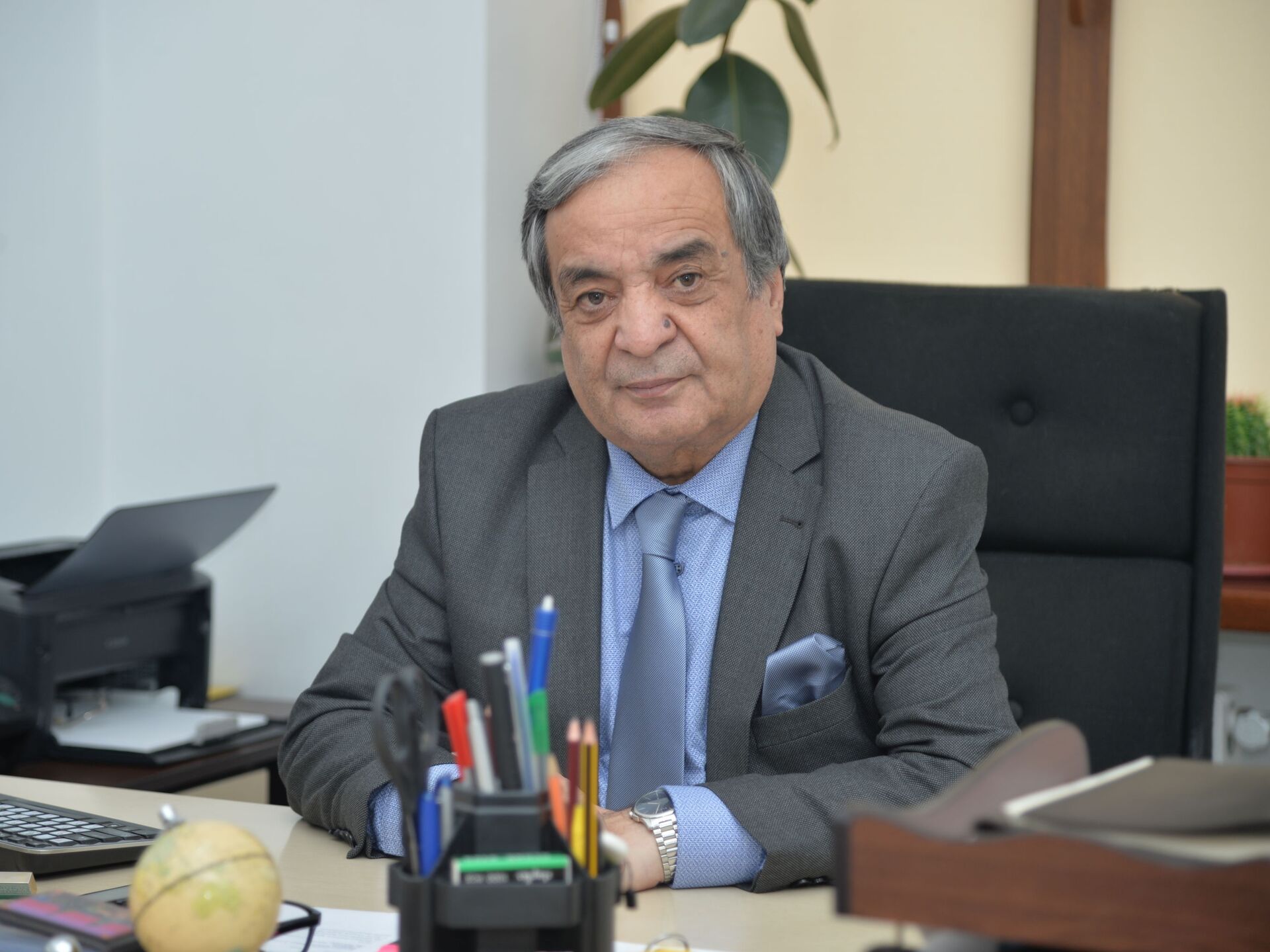
Professor of the Russian-Tajik (Slavic) University Blog: Rakhmon Ulmasov's Blog