Translated with AI
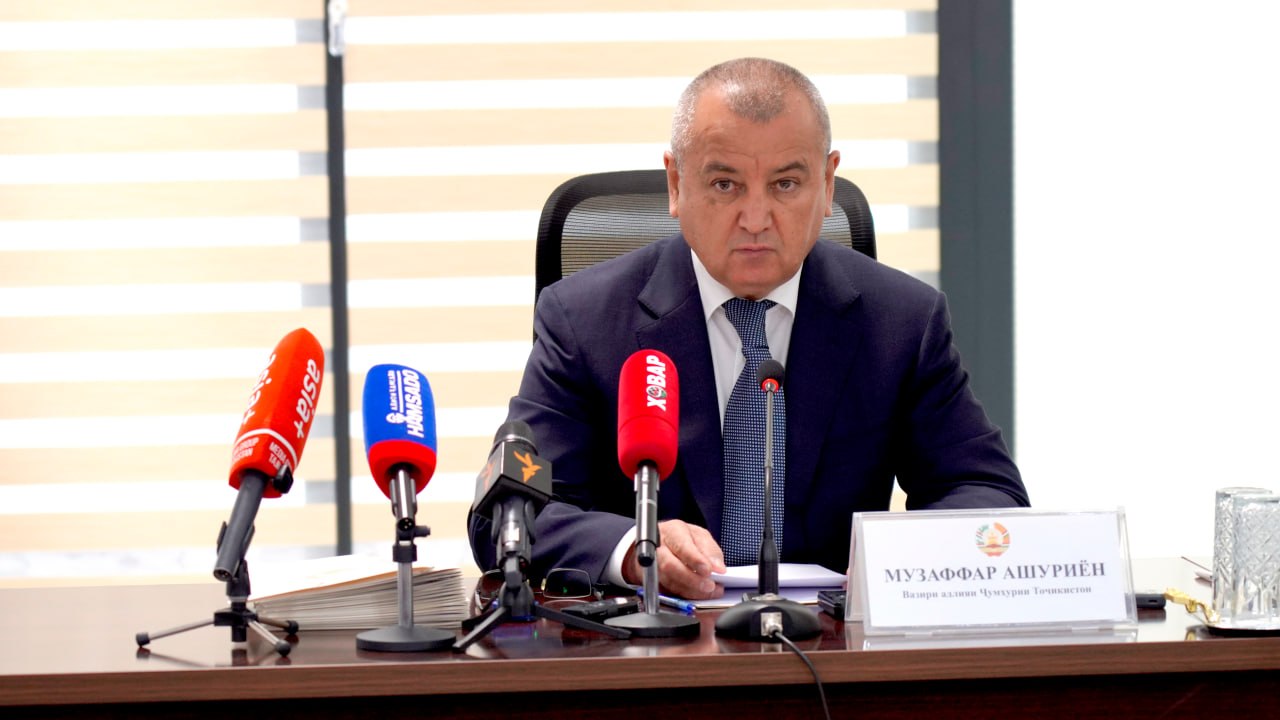
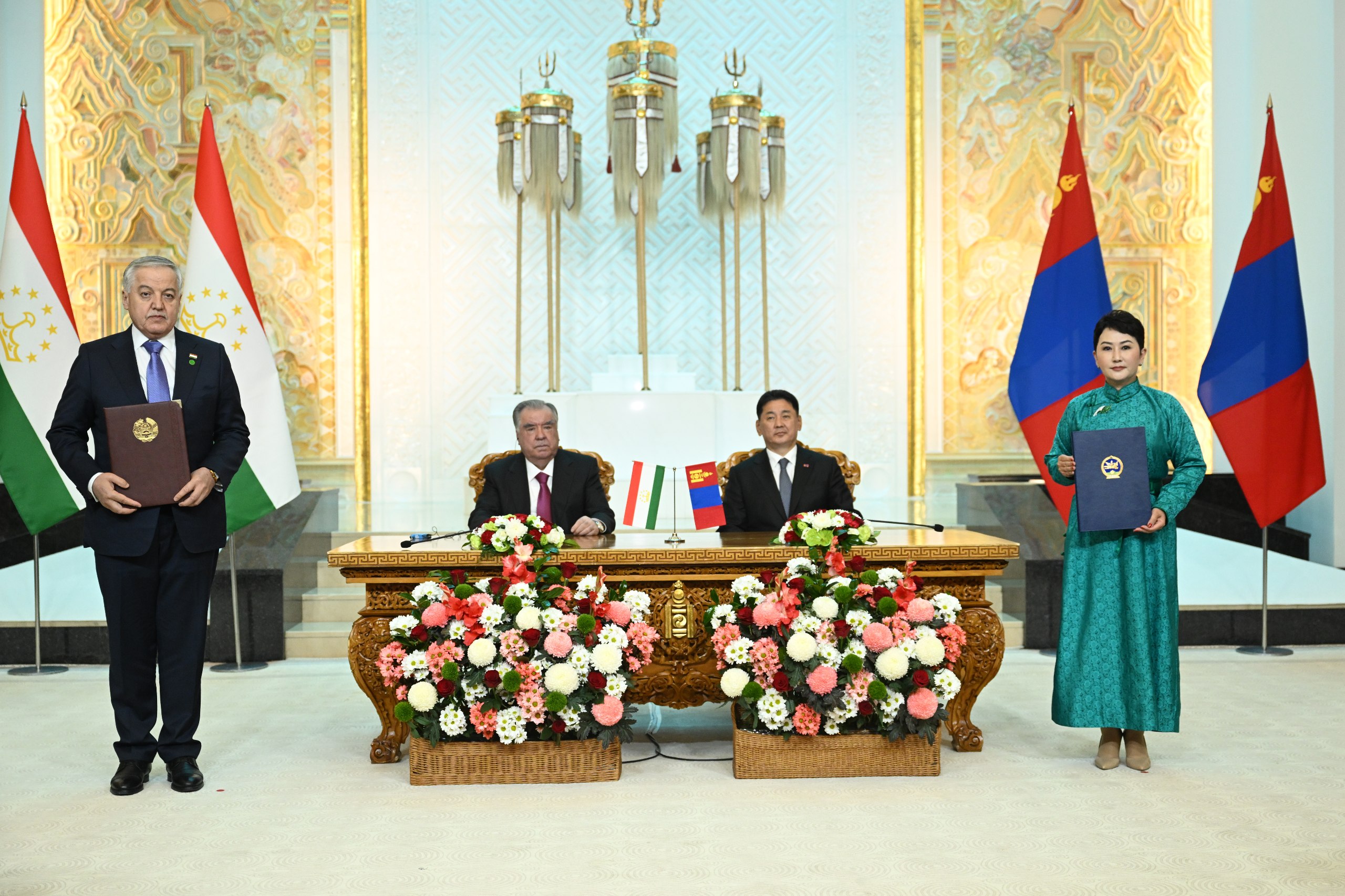
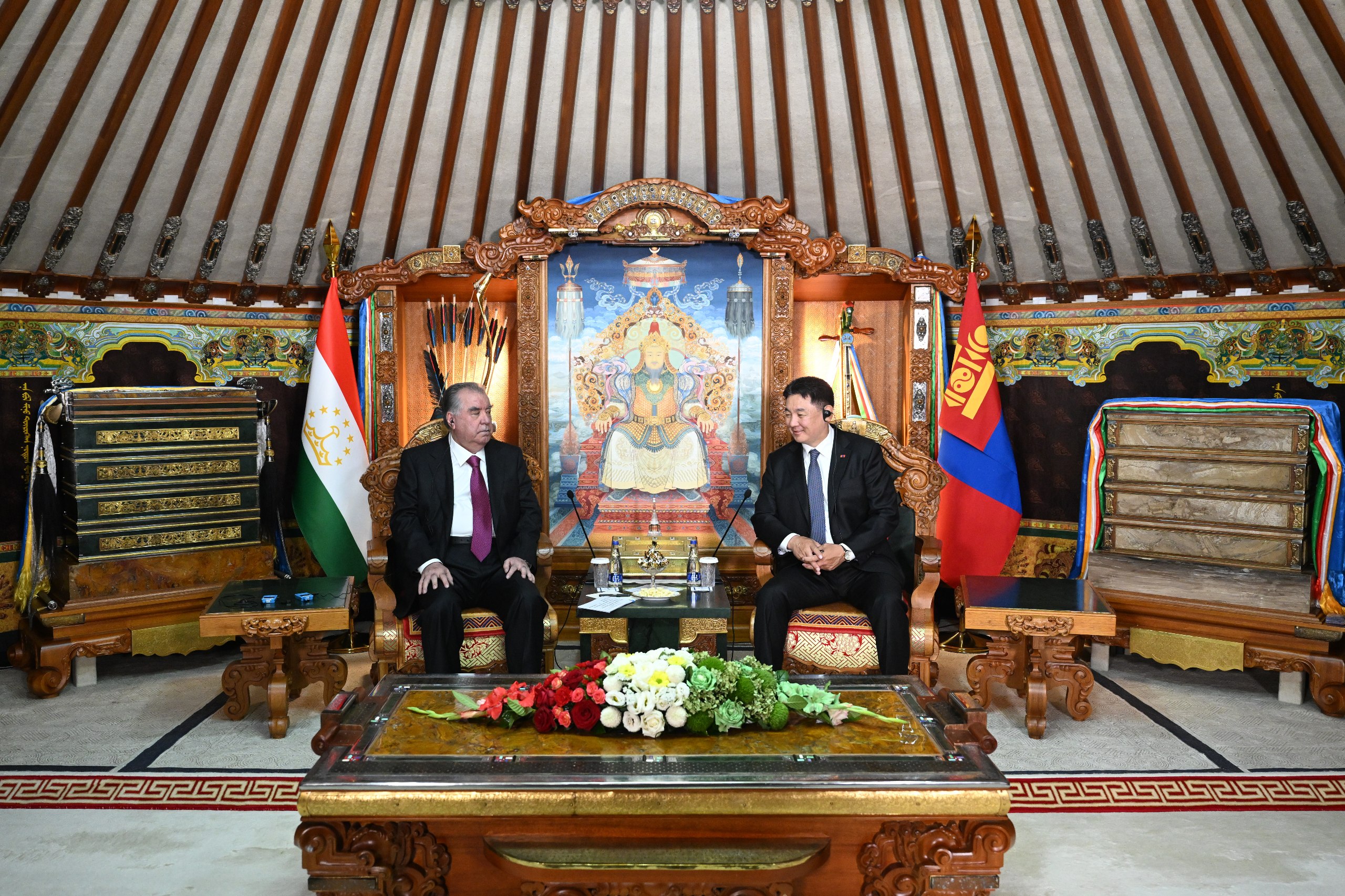















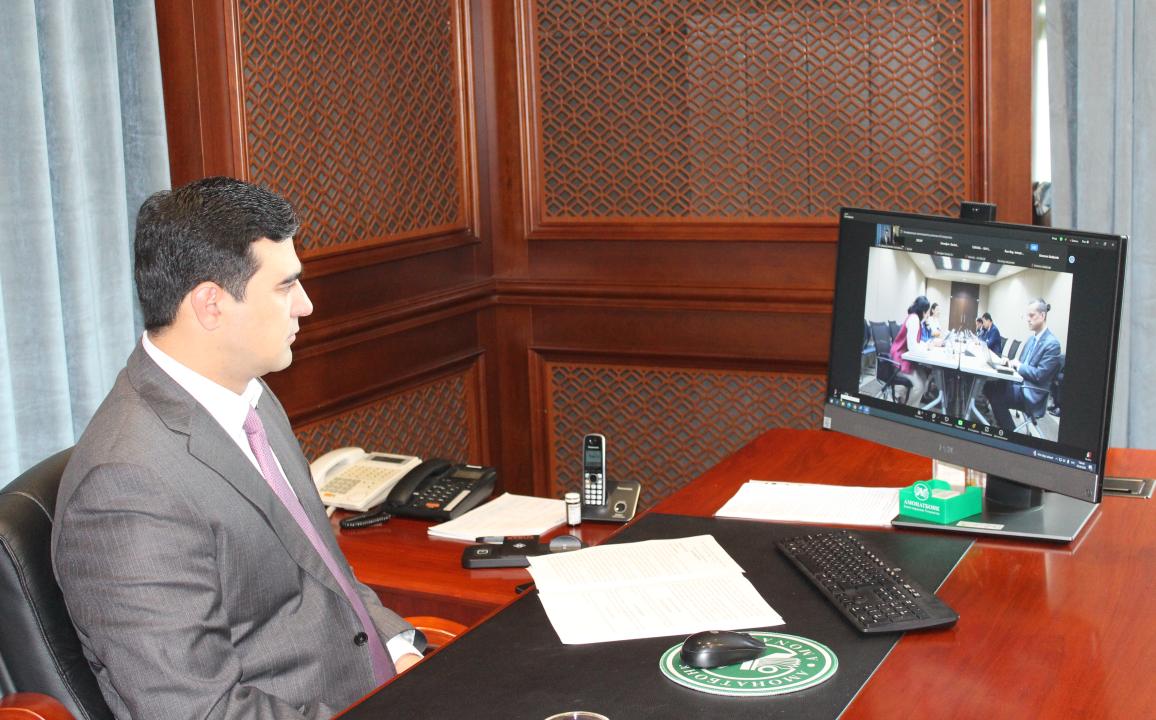
On June 8, 2026, under the leadership of Akhliddin Nuriddinzoda, Deputy Minister of Economic Development and Trade of the Republic of Tajikistan, the 21st meeting of the Working Group of the United Nations Special Programme for the Economies of Central Asia (SPECA) on Trade was held as part of Paperless Trade Week, the press service of the ministry reported.
Opening the meeting, Akhliddin Nuriddinzoda noted that, thanks to the policies of the President of the Republic of Tajikistan, Emomali Rahmon, and the heads of state participating in SPECA, cooperation on developing trade connectivity and digitalizing data exchange within the Trans-Caspian region's transport corridors is demonstrating steady positive dynamics.
According to him, positive developments are also observed in strengthening transport connectivity to ensure sustainable Eurasian ties, energy integration in the region and beyond, as well as in promoting sustainable trade, innovation and the circular economy.
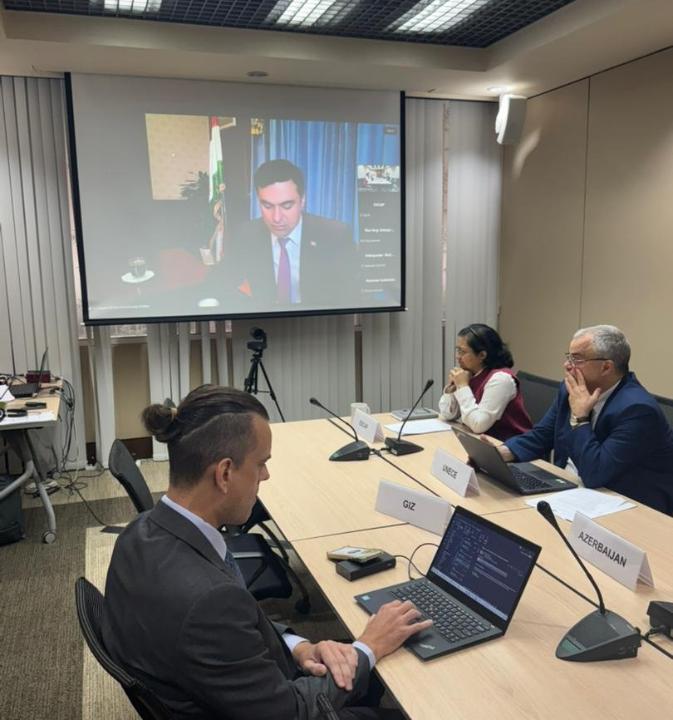
During the meeting, the heads of delegations of SPECA member states, including Azerbaijan, Kazakhstan, Kyrgyzstan, Tajikistan, Turkmenistan and Uzbekistan, presented information on the progress of the implementation of the Working Group's Roadmap for 2025–2026 and assessed the results achieved in the field of trade in the SPECA region.
Representatives of the United Nations Economic and Social Commission for Asia and the Pacific (ESCAP) also participated in the meeting, presenting information on digitalization and digital trade development, as well as representatives of the United Nations Economic Commission for Europe (UNECE), who described the implementation of activities and specific measures aimed at trade development. Other development partners also participated in the meeting.
Summing up the meeting, Akhliddin Nuriddinzoda emphasized the need for participating states, international organizations, and development partners to take concrete measures to further strengthen the SPECA Working Group on Trade.
He also made proposals aimed at eliminating non-tariff barriers to trade, strengthening the integration of electronic systems and standards, accelerating trade procedures and data exchange, and more widely implementing elements of trade digitalization.