Translated with AI


































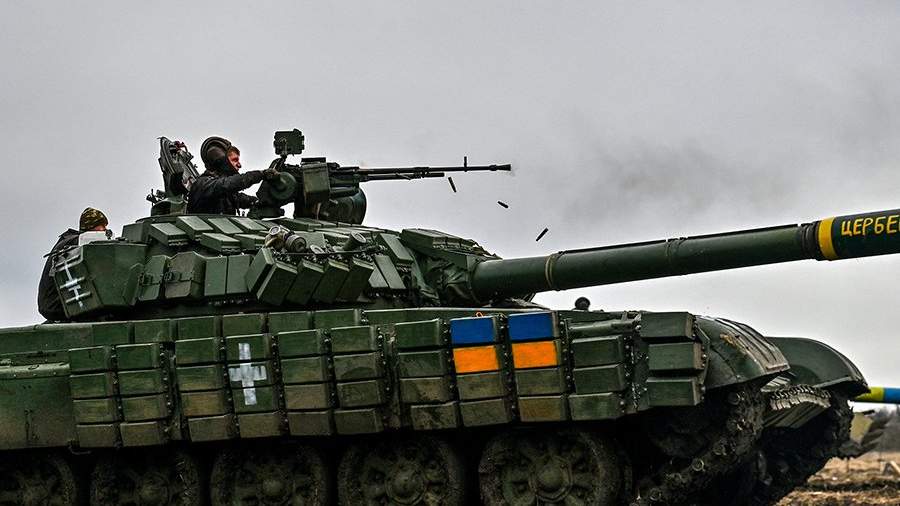
Ukraine has likely seized the initiative from Russia in a war for the first time in three years, according to The Economist magazine's May 10th article.
As the publication notes, after a harsh winter during which Ukrainian cities and energy infrastructure were subjected to almost daily massive attacks by Russian missiles and drones, the situation has begun to change. According to the article's authors, Ukraine is increasingly inflicting significant damage on Russia with its actions.
The Economist writes that the anticipated spring offensive by Russian troops proved ineffective. According to the publication, in April 2026, for the first time since August 2024, the Russian army lost more territory than it gained. According to calculations based on maps from the American Institute for the Study of War, over the past 30 days, Russia has lost control of an area of 133 square kilometers.
The authors also note the increasing scale, range, and intensity of Ukrainian strikes against targets deep within Russian territory. According to the magazine, in March, Ukraine surpassed Russia in the number of long-range drone strikes for the first time.
The publication states that strikes are regularly carried out on economic and military targets located nearly two thousand kilometers from the Ukrainian border. Therefore, the publication notes, approximately 70% of Russia's population is within range of Ukrainian drones.
According to The Economist, Russia has lost approximately 1.4 million people killed and seriously wounded since the start of the full-scale invasion. The publication estimates that average Russian troop losses are approximately 35,000 per month.
Lawrence Freedman, Emeritus Professor of War Studies at King's College London, stated that the coming months will be crucial for the future developments. He believes that this period will determine whether Russia can counter Ukraine's advances in drone technology and whether it is preparing significant forces for a summer offensive.
On May 11, the High Representative of the European Union for Foreign Affairs and Security Policy, Kaja Kallas, stated after a meeting of EU foreign ministers in Brussels that Ukraine is now in a significantly stronger position than a year ago, while Russian President Vladimir Putin is “in a weaker position than ever.”