Translated with AI
































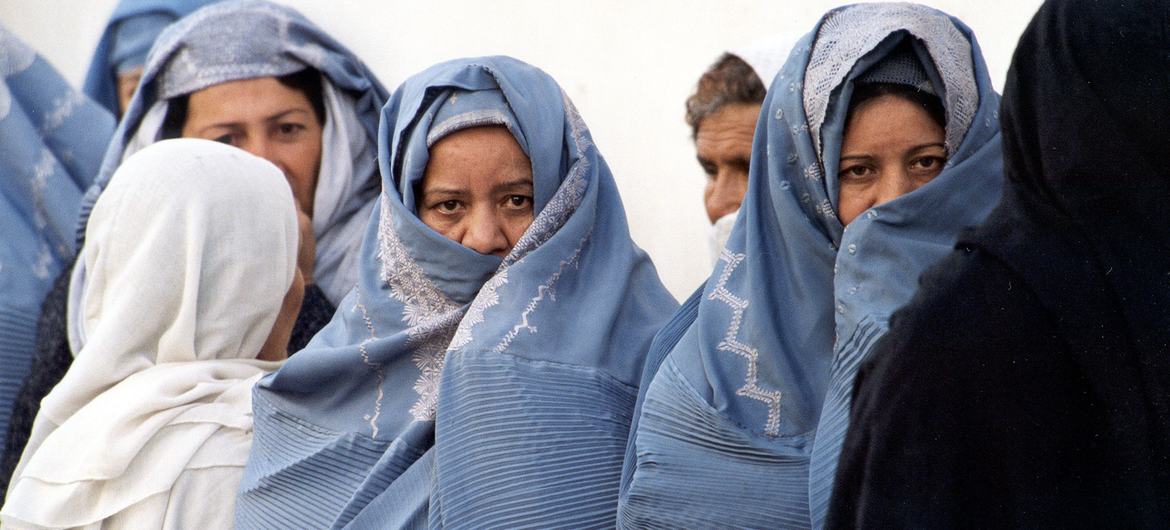
Restrictions on girls' education and women's employment in Afghanistan could lead to acute shortages in the education and healthcare sectors, according to the United Nations Children's Fund (UNICEF), citing a new report.
According to the data presented, by 2030 the shortage of specialists in these sectors could exceed 25,000 people.
The report notes that current restrictions are already reducing children's access to education and health care, and are also having a negative impact on the country's economy and the functioning of basic services.
According to UNICEF, the share of women in public service in Afghanistan has decreased from 21% to 17.7% between 2023 and 2025.
The organization emphasizes that since the Taliban, the de facto authorities, imposed a ban on secondary education for girls in September 2021, more than 1 million girls have been deprived of the opportunity to study. If the current restrictions remain in place, this number could exceed 2 million by 2030.
UNICEF Executive Director Catherine Russell said the country risks losing future teachers, health workers and social workers, leading to a deterioration in the quality of vital services.
According to the report, Afghanistan faces a dual crisis: a dwindling supply of trained female specialists and a simultaneous limitation on the capacity to train new ones. Estimates suggest the country could lose up to 20,000 female teachers and 5,400 female healthcare workers by 2030.
The education system has already seen a decline in the number of female teachers—from nearly 73,000 in 2022 to approximately 66,000 in 2024. This could negatively impact school attendance, especially among girls.
The situation in healthcare is particularly concerning, where cultural norms often limit women's access to male doctors. UNICEF warns that a reduction in the number of female healthcare workers could lead to deteriorating maternal and child health outcomes.
Furthermore, restrictions against women result in economic losses of approximately $84 million annually, the report notes.
UNICEF has called on the de facto authorities in Afghanistan to lift the ban on girls' education and appealed to the international community to continue supporting educational programs in the country.
The organization also reports that in 2025, more than 3.7 million children received support in public schools, and an additional 442,000 children participated in community-based educational initiatives.