Translated with AI












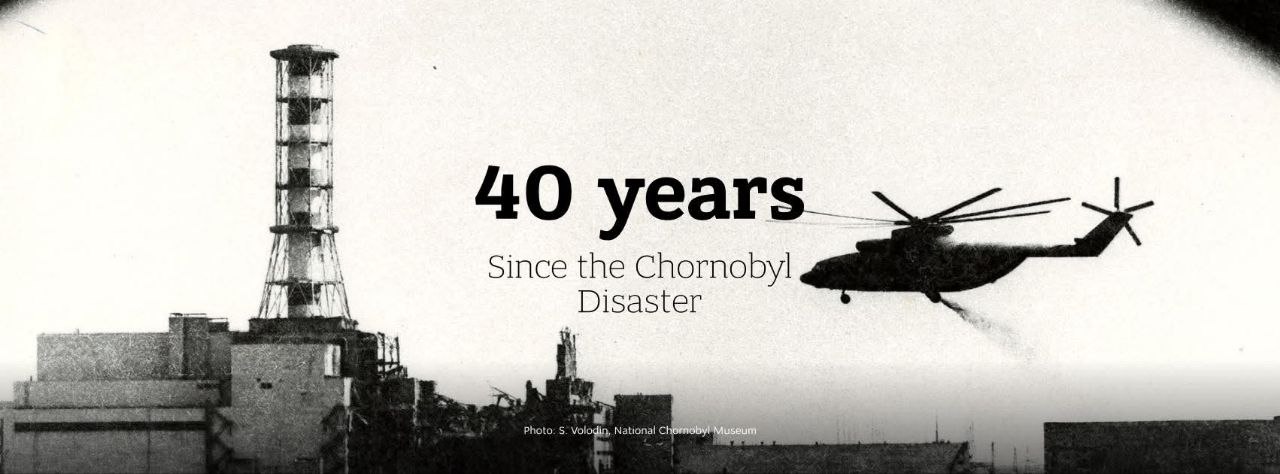
This year, April 26th marks the 40th anniversary of one of the worst man-made disasters in human history—the Chernobyl nuclear power plant accident. For millions of people, this is more than just a date. It is a pain that never subsides. It is the memory of those who, at the cost of their own lives and health, stopped the invisible enemy—radiation. It is a lesson that should forever change the world's attitude toward responsibility, safety, and truth.
But today, four decades later, Chernobyl has once again become the epicenter of anxiety. And again, not by choice.
In February 2022, in the first days of Russia's full-scale invasion of Ukraine, the Chernobyl Nuclear Power Plant and the exclusion zone were captured by Russian troops. A place that should have remained a symbol of tragedy and a warning to all humanity was transformed into a military risk zone. The world witnessed what seemed impossible: armed men in a place where every step must be carefully considered, where the very ground itself harbored danger.
Chernobyl is more than just geography. It's a symbol of the consequences of irresponsibility, silence, and disregard for human life. In 1986, the Soviet system attempted to conceal the scale of the tragedy. People were not warned in time, the truth was suppressed, and the consequences fell on the shoulders of ordinary citizens.
And it was then that what remains the brightest thing in this tragedy became apparent: human solidarity.
Thousands of people from various republics, including Tajikistan, were among the liquidators of the accident's aftermath. Tajik specialists, military personnel, doctors, and engineers traveled to Chernobyl, often without fully understanding the scale of the threat. They carried out their duty, risking their health and lives.
Many of them later faced serious illnesses. Many have already passed away. But their heroism remains part of the shared history that unites our peoples.
Today, as we commemorate Chernobyl, Ukraine expresses its sincere gratitude to the Tajik people. This gratitude is for their courage, their solidarity, and their human responsibility, which proved stronger than fear. The memory of the liquidators is a bridge between our countries, built on respect and shared pain.
Chernobyl taught the world much. It demonstrated how fragile safety is when neglected, when the consequences of a single mistake can be felt for decades. Chernobyl became a symbol of the need for international cooperation on nuclear safety.
But the events of 2022 also showed something else: even such horrific tragedies do not always teach a sufficient lesson.
When Russian troops entered the Chernobyl zone, it was not only an act of military aggression, but also a disregard for the memory of those who died while dealing with the aftermath of the accident. A disregard for the very meaning of Chernobyl: as a warning to humanity.
The world is once again faced with the obvious fact: threats to nuclear safety can come not only from accidents, but also from irresponsible political and military decisions.
Today, Ukraine continues to fight not only for its territory, but also for principles that are important to the entire world: responsibility, openness, and respect for human life. It also fights for the right to a future in which such tragedies are not repeated.
The memory of Chernobyl is not just a look into the past. It is a question for the present and the future.
The decisions of the international community have acquired particular significance in the modern understanding of Chernobyl. In 2025, the UN General Assembly adopted a special resolution, initiated by Ukraine, aimed at strengthening international cooperation to overcome the consequences of the Chernobyl disaster.
The document confirmed that the 1986 tragedy is not only a thing of the past but also an ongoing challenge. The resolution explicitly notes that the consequences of the accident remain long-lasting and require ongoing attention and support for the affected areas and people.
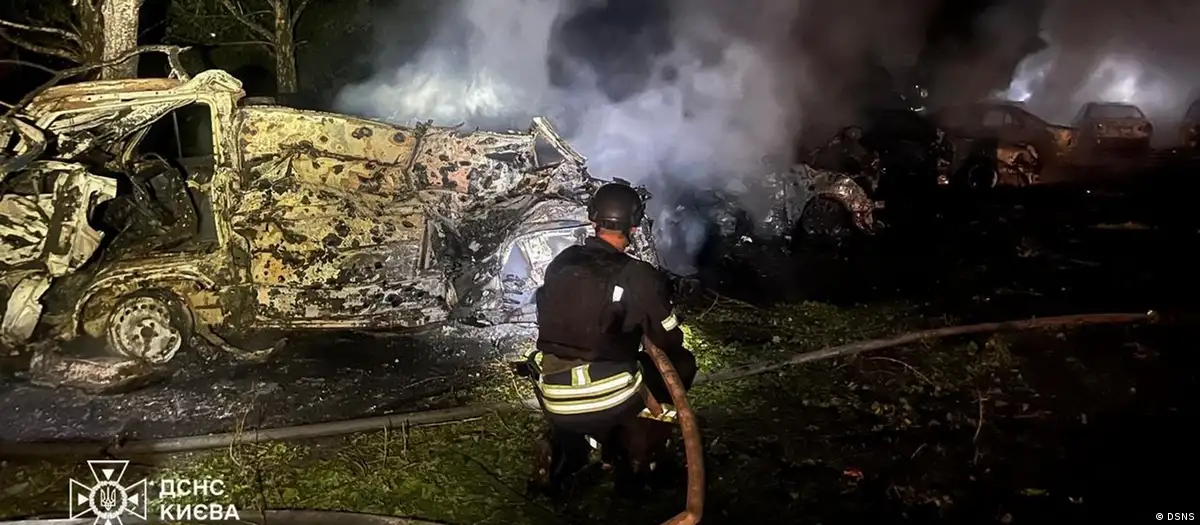
Recent events have particularly alarmed the international community. The resolution expresses grave concern over the damage to the protective arch over the destroyed reactor of the Chernobyl Nuclear Power Plant in February 2025, caused by a Russian drone attack. This strike jeopardized decades of international efforts to ensure the site's security.
The General Assembly also called on the international community to strengthen its support for Ukraine in restoring the station's infrastructure and ensuring nuclear safety, and decided to hold a special meeting to mark the 40th anniversary of the tragedy in April 2026.
It is also important that the UN documents enshrine the use of the Ukrainian name “Chornobyl,” which is not only a linguistic but also a symbolic step—a recognition of historical justice and a rejection of the Soviet legacy in interpreting the tragedy.
Today, 40 years after the disaster, we bow our heads in memory of those who perished and express our deep respect to the liquidators. We thank all who did not retreat during those terrible days. This includes the Tajik heroes, whose selflessness became part of a shared history of courage.
And we must do everything to ensure that Chernobyl remains a symbol of memory, and not a recurring threat.
Because humanity has no right to forget such lessons.
Ambassador Extraordinary and Plenipotentiary of Ukraine to the Republic of Tajikistan Valery Evdokimov