Translated with AI

































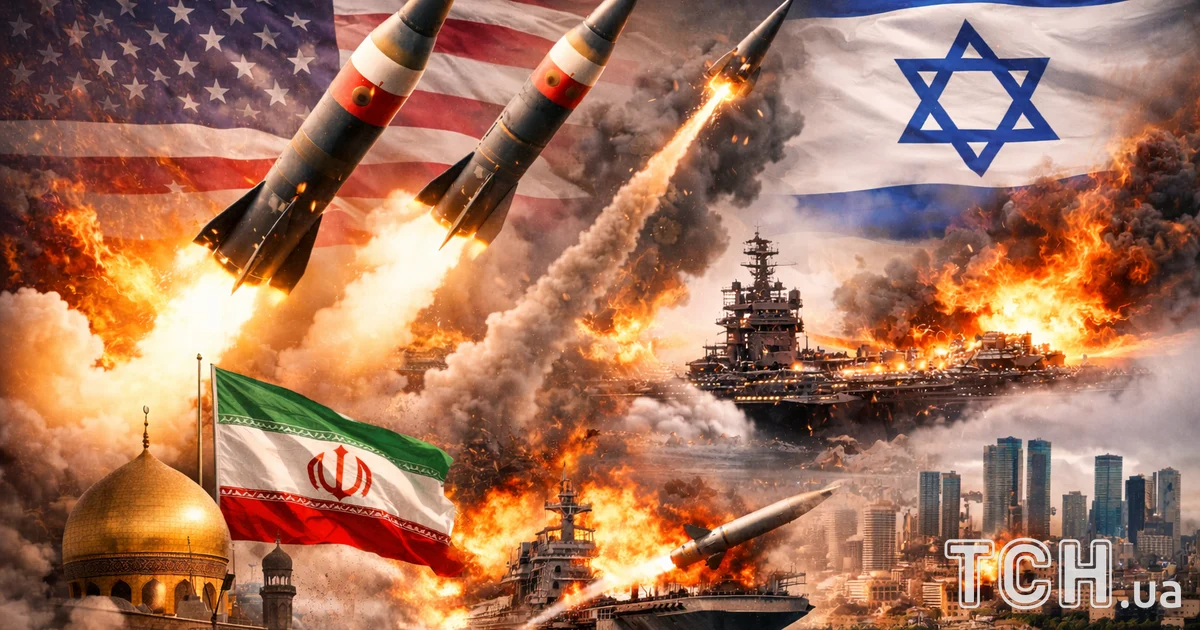
Following the start of the US and Israeli military operation against Iran, fighting spread across the region. Strikes and retaliatory attacks affected several countries. The conflict resulted in dozens of deaths and hundreds of injuries.
In Iran, according to state media, more than 160 schoolgirls were killed after a rocket struck a school in the city of Minab. The human rights agency HRANA reports that the total death toll in the country could be at least 133, emphasizing that the actual number is likely higher.
In Israel, at least 10 people were killed and more than 200 were injured, according to the Magen David Adom ambulance service.
In Lebanon, according to the country's Ministry of Health, at least 31 people were killed as a result of Israeli airstrikes in the south of the country and Beirut, with another 140 injured. The Israeli Chief of General Staff announced the start of an offensive operation in Lebanon.
In Iraq, four Popular Mobilization Forces fighters were killed in a US-Israeli strike, according to Middle Eastern media. Iran also struck military bases in Iraq and Jordan housing German Bundeswehr troops.
According to US Central Command, three American service members were killed in Kuwait. An American F-15 fighter jet also crashed. The pilot ejected and survived. Iran's Tasnim news agency claims the plane was shot down.
At least ten people were killed in clashes between pro-Iranian protesters and police near the US consulate in Pakistan, local media reported.
Oil infrastructure in Saudi Arabia was attacked. According to media reports, the target was the Aramco refinery in Ras Tanura, one of the country's largest export hubs.
The United Arab Emirates' Ministry of Defense reported three deaths as a result of Iran's retaliatory strikes.
UAE authorities have extended the airspace ban until March 3, 2026. Russian airlines have notified passengers of flight cancellations until the restrictions are lifted.
Against the backdrop of closed airspace, experts estimated that tour operators are losing at least $1.5 million per day due to the extended accommodation of tourists stranded in the Middle East.
In an interview with The Daily Mail, the US President stated that the operation against Iran could take about four weeks. Speaking to The New York Times, he clarified that it could be "four to five weeks," emphasizing that the US has "colossal stockpiles of ammunition."
According to The Wall Street Journal, there were earlier reports of possible contacts regarding the nuclear program, but Tehran officially denied information about negotiations with Washington.
Amid the escalation, the price of Brent crude oil rose by approximately 10% to $80 per barrel. Analysts warn that if supply through the Strait of Hormuz is severely disrupted, prices could rise to $100.
As Bloomberg notes, rising prices could make Russia a key beneficiary. According to Kommersant, citing the analytical firm Euler, Russia could increase oil production by approximately 3%—to 10.9 million barrels per day—in 2026 amid the easing of OPEC+ restrictions.