Translated with AI















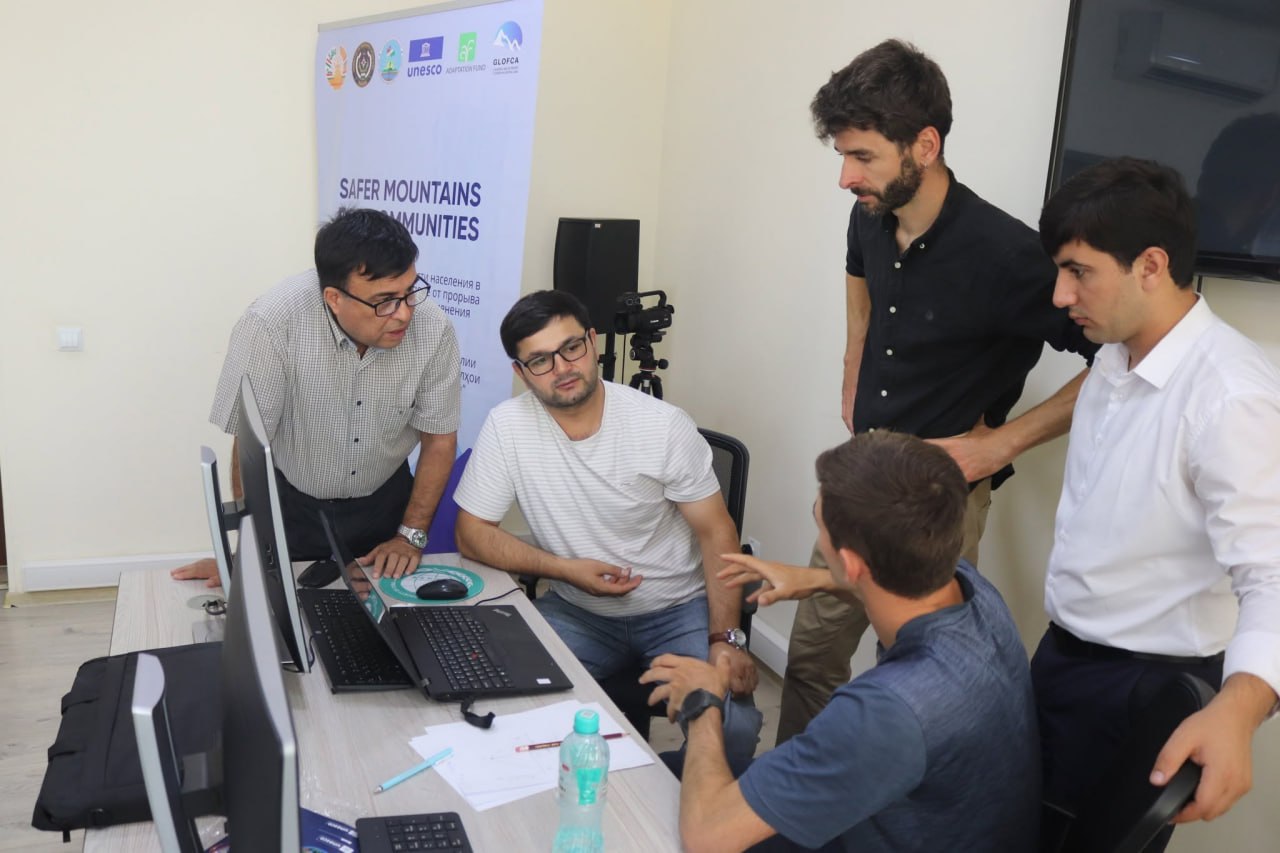

















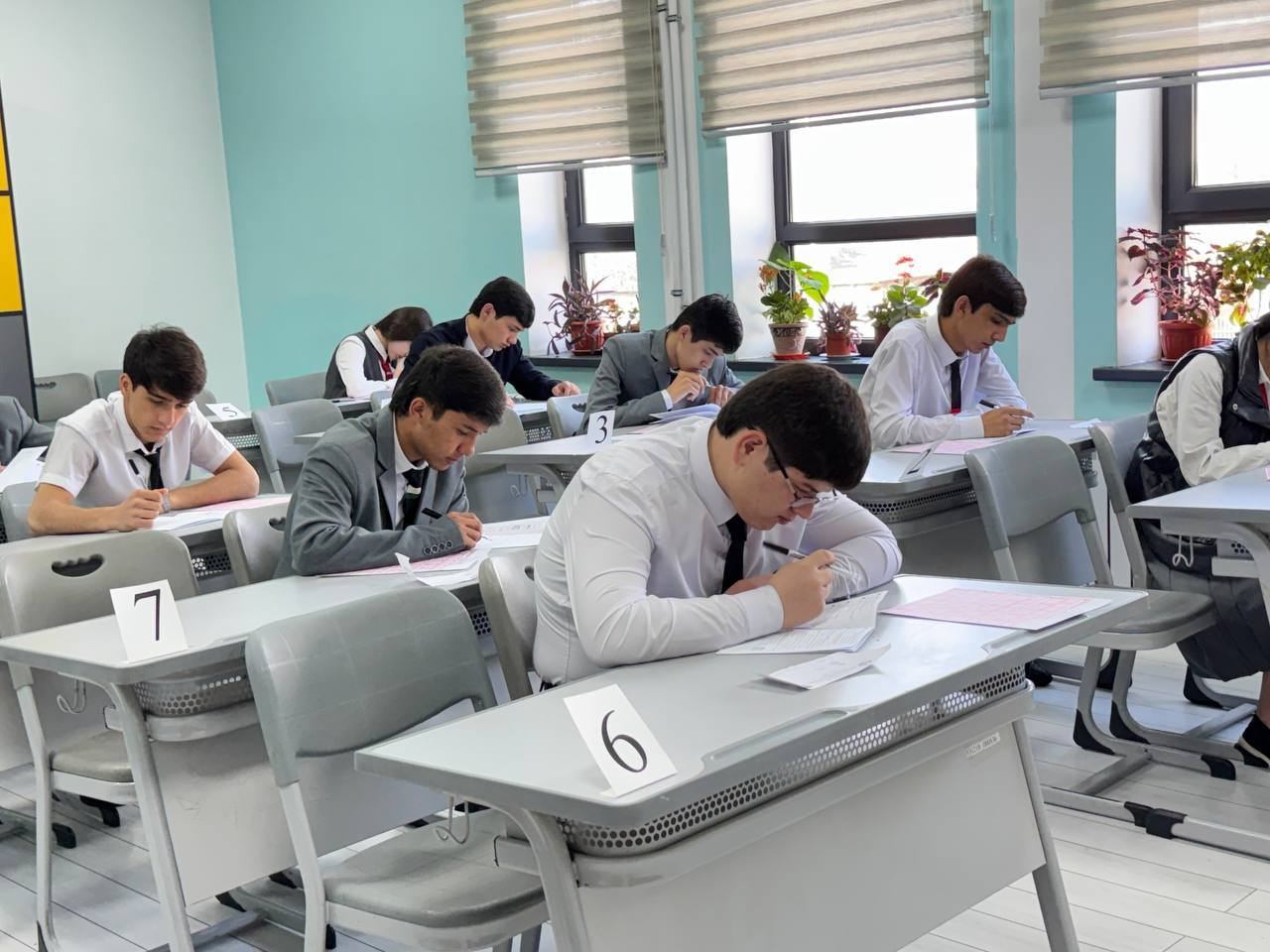
More than 6,000 graduates of educational institutions took mock exams organized by the National Testing Center under the President of the Republic of Tajikistan to prepare for admission to higher education institutions, according to the press service of the Ministry of Education and Science of Tajikistan.
It is noted that the Government of the Republic of Tajikistan has declared science and education a priority area of state policy. To improve the level and quality of education at all levels, constant attention is paid and effective measures are being taken to ensure the sustainable development of this important sector.
During the period of the country's state independence, the education system, along with other socio-economic spheres, has achieved significant achievements and continues to gradually develop and improve.
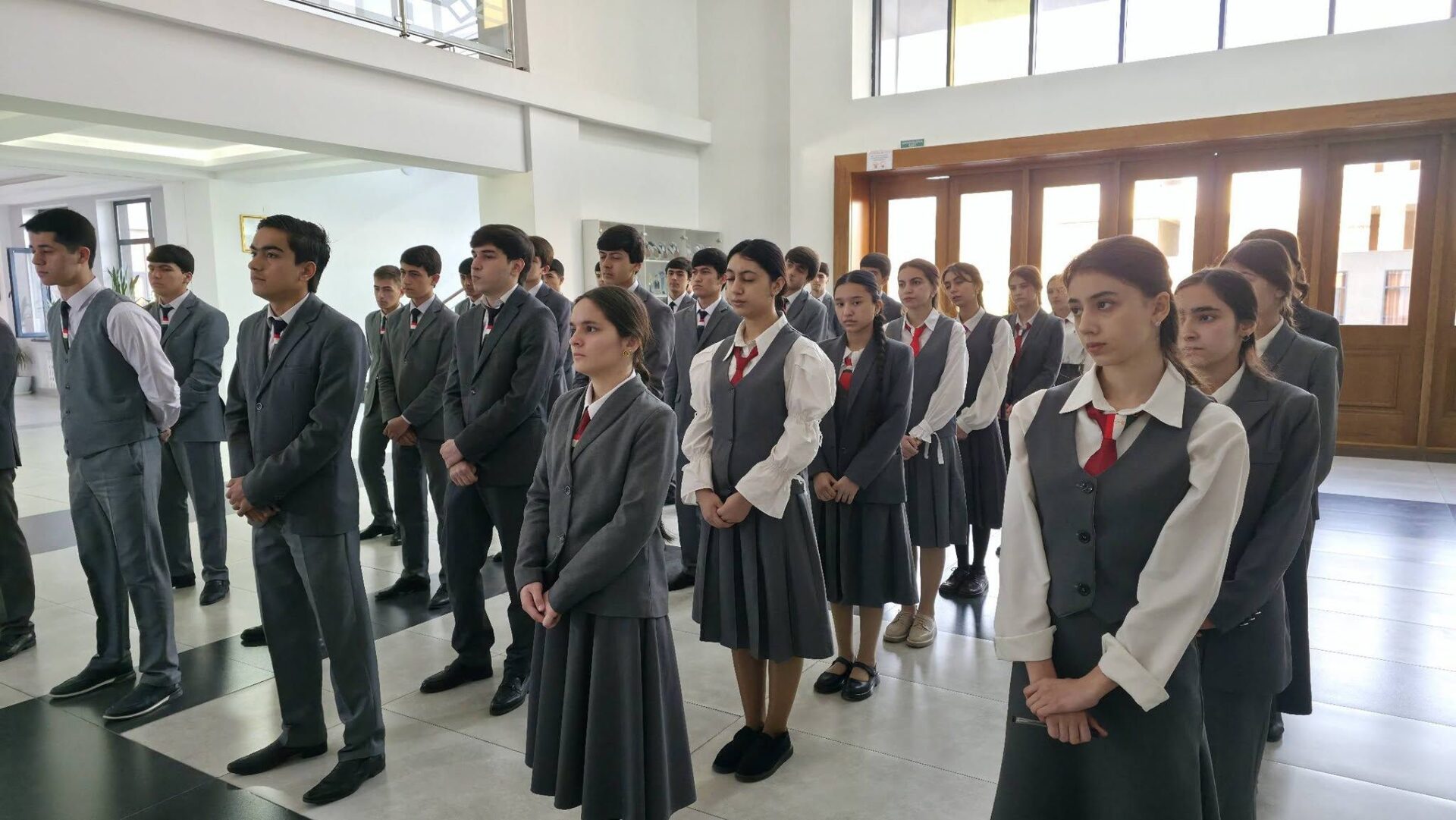
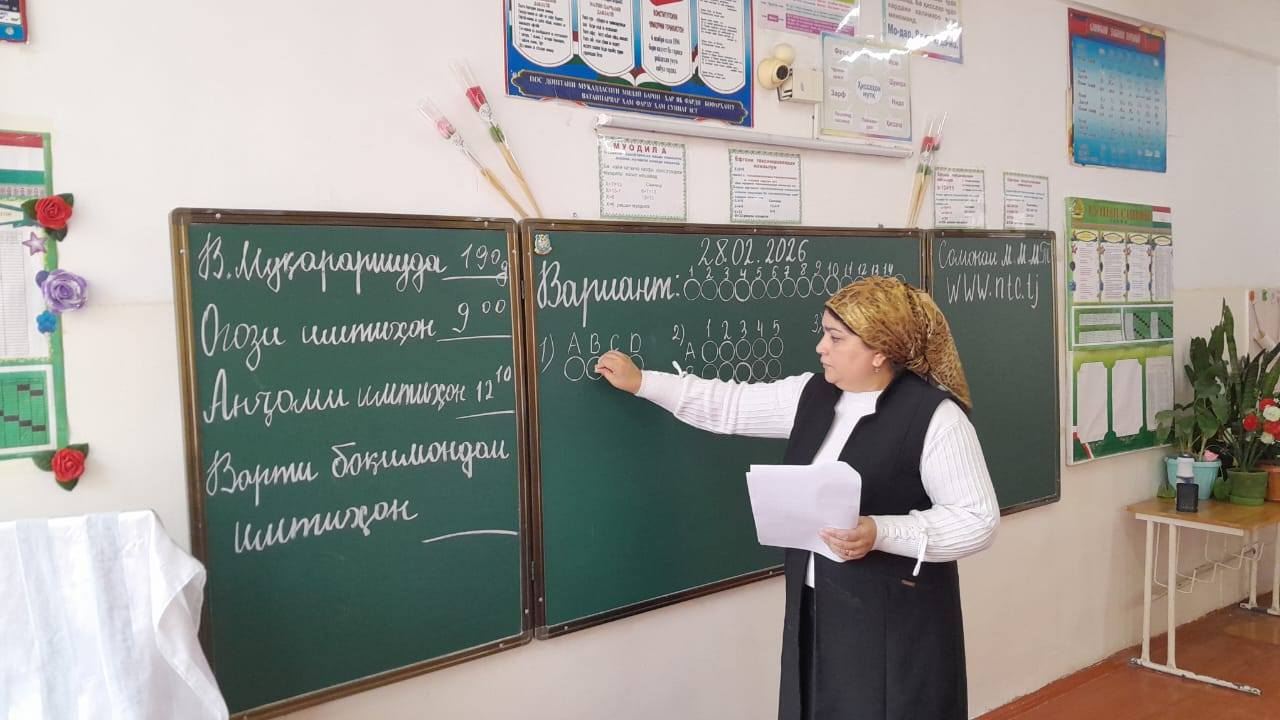
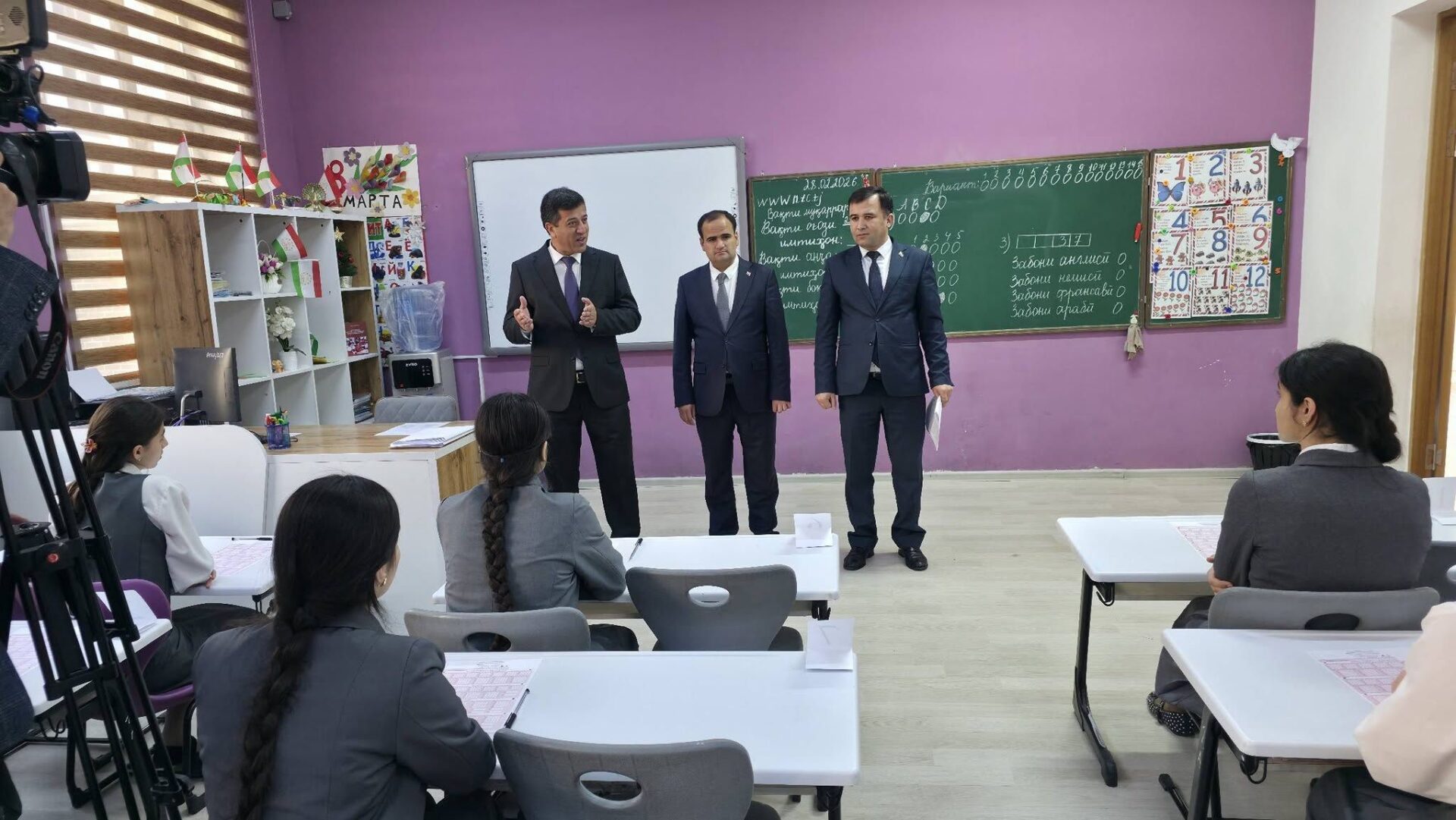
One of the key achievements was the introduction of a system of centralized entrance examinations for secondary and higher vocational education institutions through the National Testing Center under the President of the Republic of Tajikistan, which ensured transparency and fairness in the admissions process.
It is emphasized that the implementation of this system plays an important role in strengthening the knowledge of applicants, training talented and highly qualified personnel, and preventing negative phenomena, including corruption and fraud, in the process of student admission to secondary and higher vocational education institutions.
It is noted that public confidence in the National Testing Center and the centralized entrance examination system is growing annually. The country's top leadership, in particular President of the Republic of Tajikistan Emomali Rahmon, annually expresses satisfaction with the center's performance.
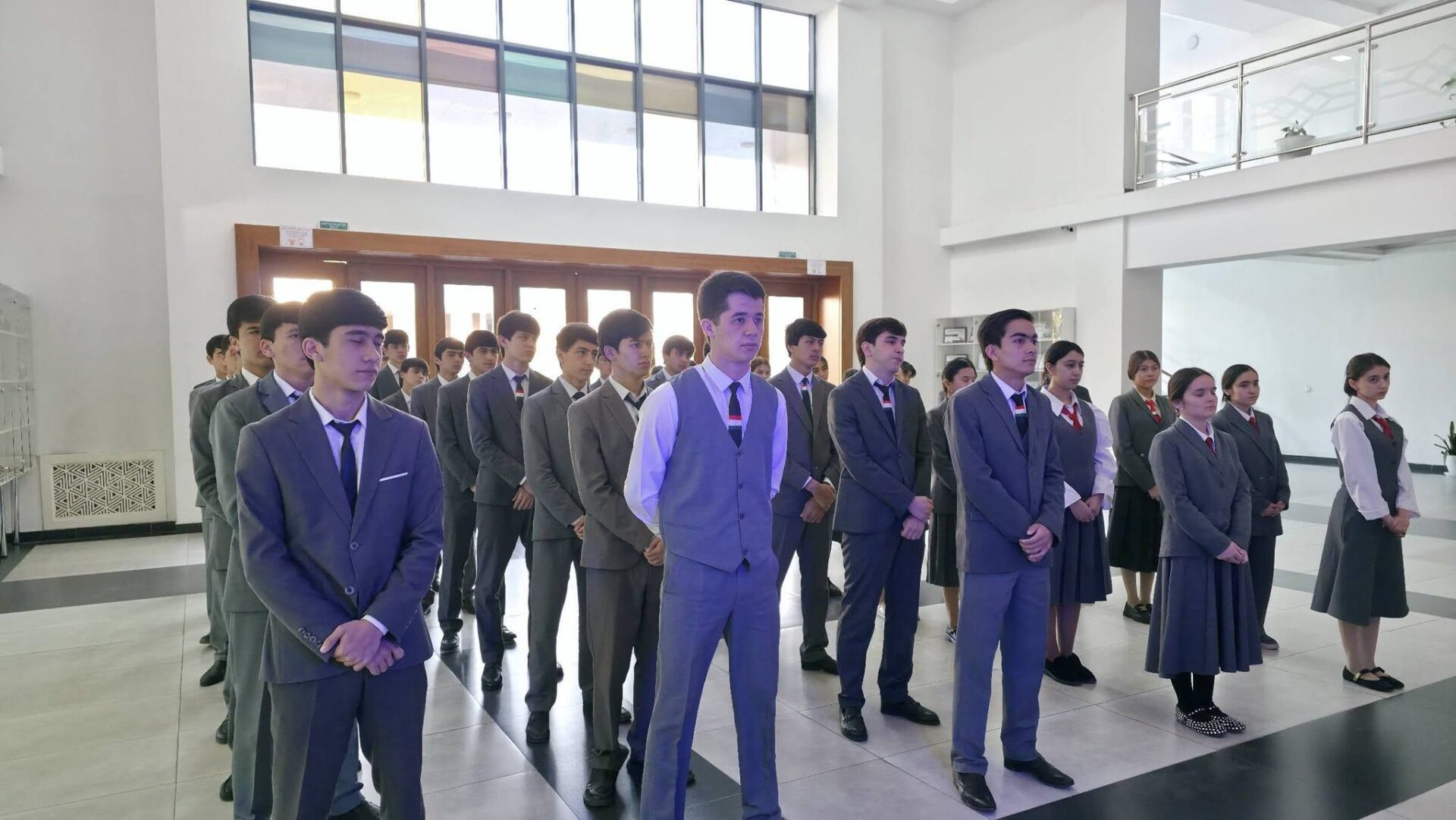
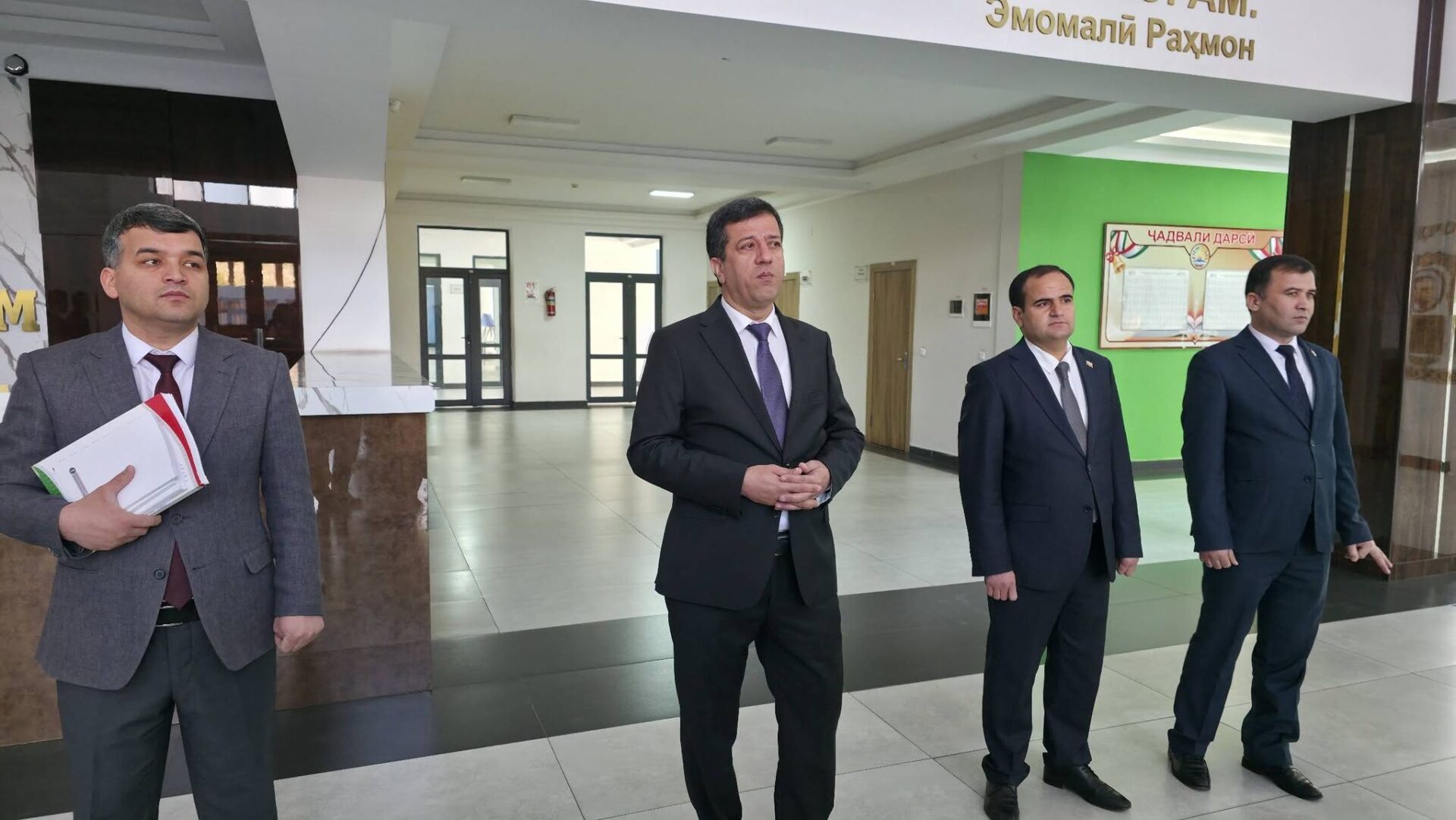
The implementation of a centralized entrance examination system has enabled the collection of accurate and detailed data on applicants' exam results at the educational institution, city, and regional levels. Statistical analysis is used to assess the level of graduates' preparation.
This process allows for the timely identification of existing deficiencies and the implementation of corrective measures, as well as the gradual improvement of the quality of education in general secondary education institutions. Examination results also enable comparison of the knowledge levels of graduates from different regions and educational institutions, which serves as a basis for analysis and further planning of educational activities.
Every year, the center prepares statistical analysis of examination results across the republic's cities and districts, with key indicators including the passing score, the maximum possible score, the maximum score achieved, the quality of knowledge acquisition, the average score, and other indicators.
These materials are sent to the executive bodies of state power of cities and districts, as well as to education departments, to improve their activities and take the necessary measures to improve the level and quality of education.
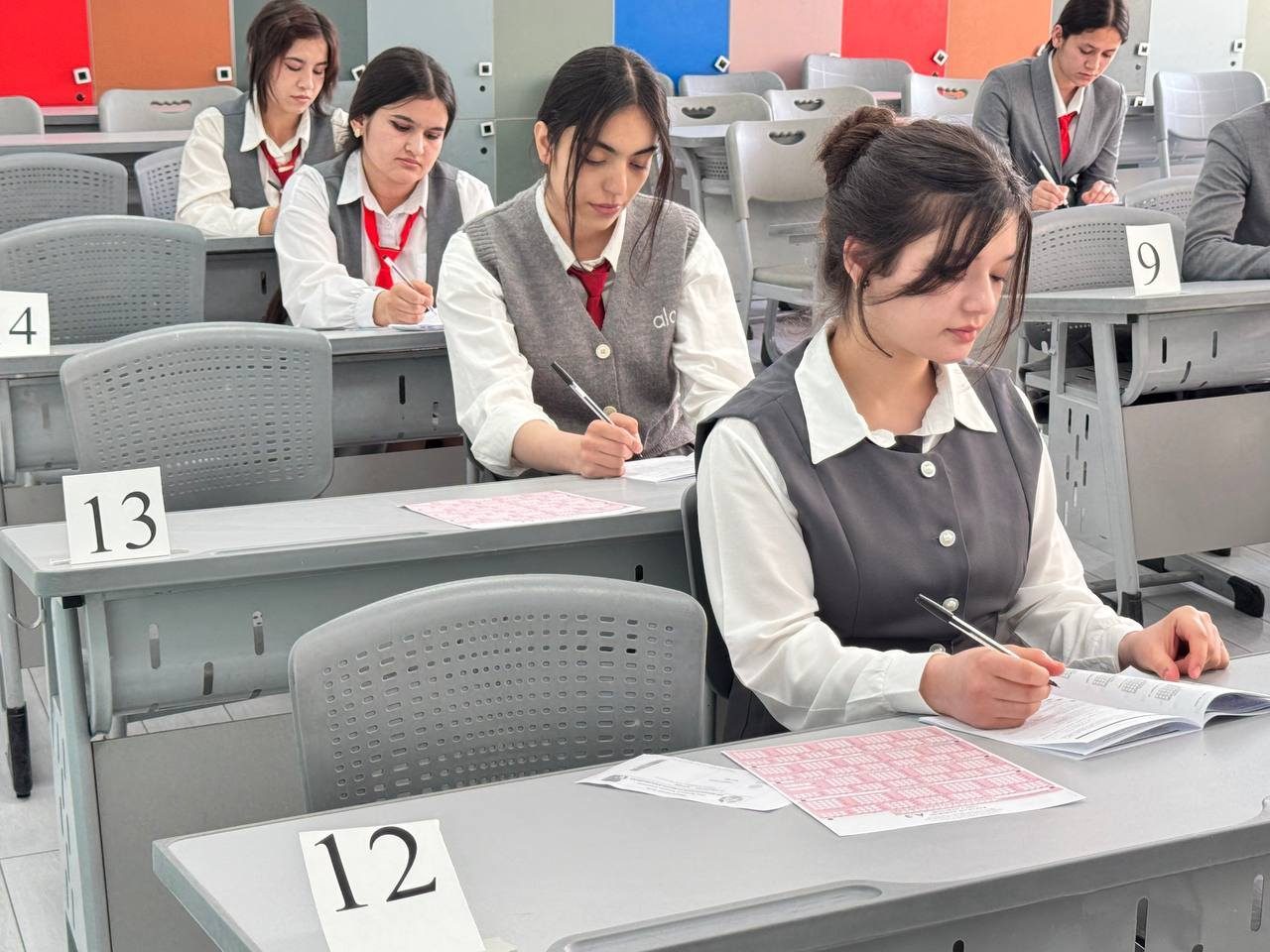
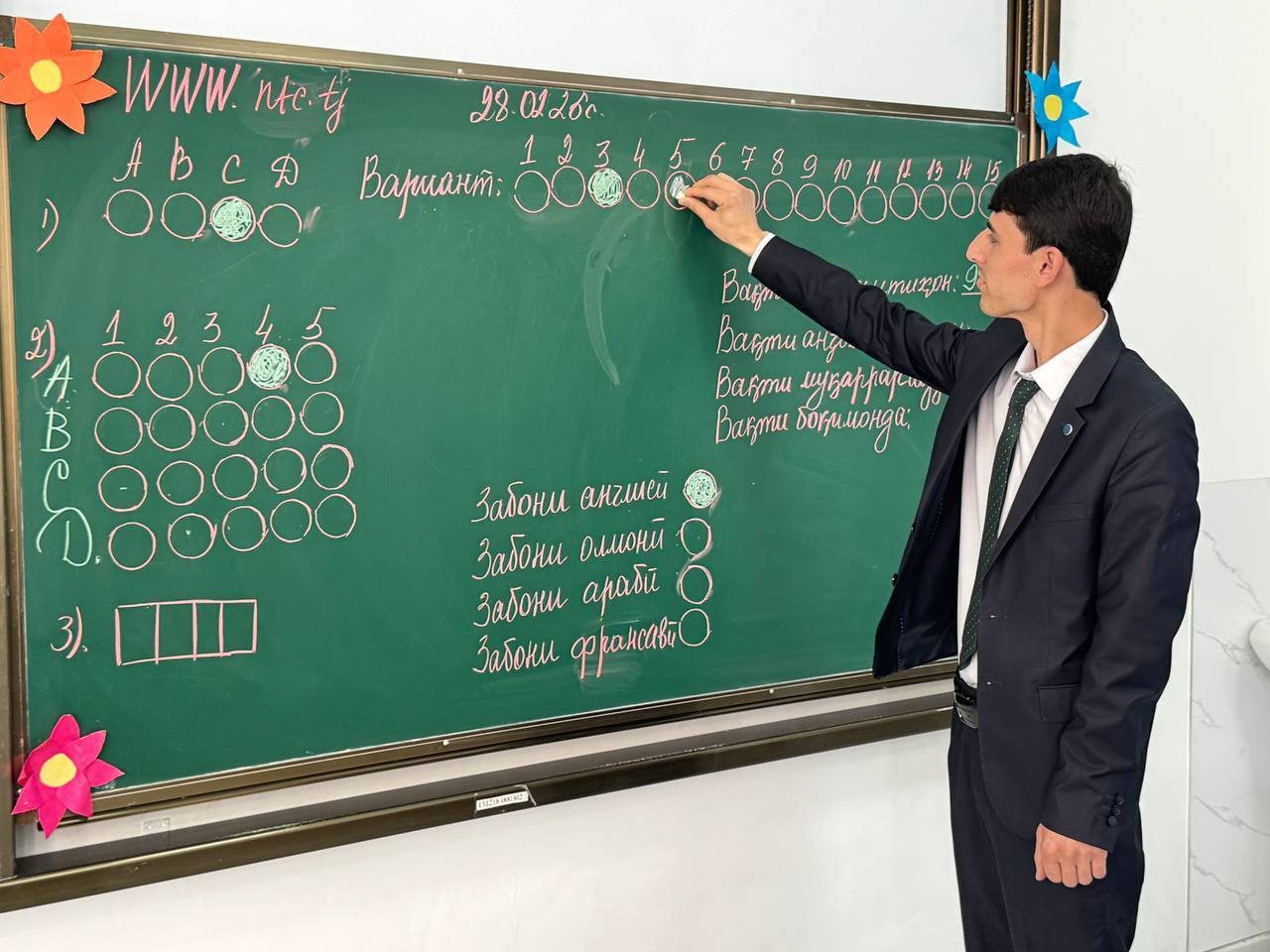
One of the effective ways to prepare graduates for participation in centralized entrance examinations is to conduct trial exams, which are organized by the National Testing Center.
Mock exams give applicants the opportunity to familiarize themselves with the exam process, assess their level of preparation, learn how to correctly fill out answer sheets, use time effectively in a real exam setting, and prepare psychologically for the main test.
The results of these examinations allow us to determine the level of quality of teaching in academic subjects and the performance of subject teachers.
The scores obtained by applicants on the trial exams are presented to the management of educational institutions, deputy directors for academic and educational work, subject teachers, class teachers of graduating classes, as well as parents or persons acting in their stead, which creates a basis for analysis and discussion.
This process encourages parents to pay more attention to their children's education and to strengthen cooperation with teachers and educational institution management.
It is noted that educational institutions, along with training and education, pay attention to issues of career guidance, preparing students for the correct choice of profession and continuing education in institutions of primary, secondary and higher vocational education both within the country and abroad.
To this end, the education department of the executive body of state power of the Sino district of Dushanbe, in cooperation with the National Testing Center under the President of the Republic of Tajikistan, annually conducts trial exams among graduates of the third stage of education.
On February 28 of this year, more than 6,000 graduates of educational institutions in the Sino district took part in trial exams, demonstrating the serious attention paid to preparing for the centralized entrance exams.
At the same time, a decision was made to conduct such trial exams in the future also among students in grades 9 and 10, so that preparation for the exams would begin at an earlier stage of education.
The district's teachers strive to implement the instructions and orders of the Leader of the Nation Emomali Rahmon and are making efforts to improve the level and quality of education at all levels.
It is emphasized that the future of the nation, the development of society, and the progress of the state directly depend on the level of knowledge, proper education, and professional training of the younger generation.
It is noted that knowledge and education are not only the basis for successfully passing centralized entrance exams, but also a guarantee of personal development, protection of youth from the influence of fraudsters and unscrupulous people, prevention of corruption, a correct understanding of the processes of the modern world, and counteraction to such negative phenomena as extremism and terrorism.