Translated with AI























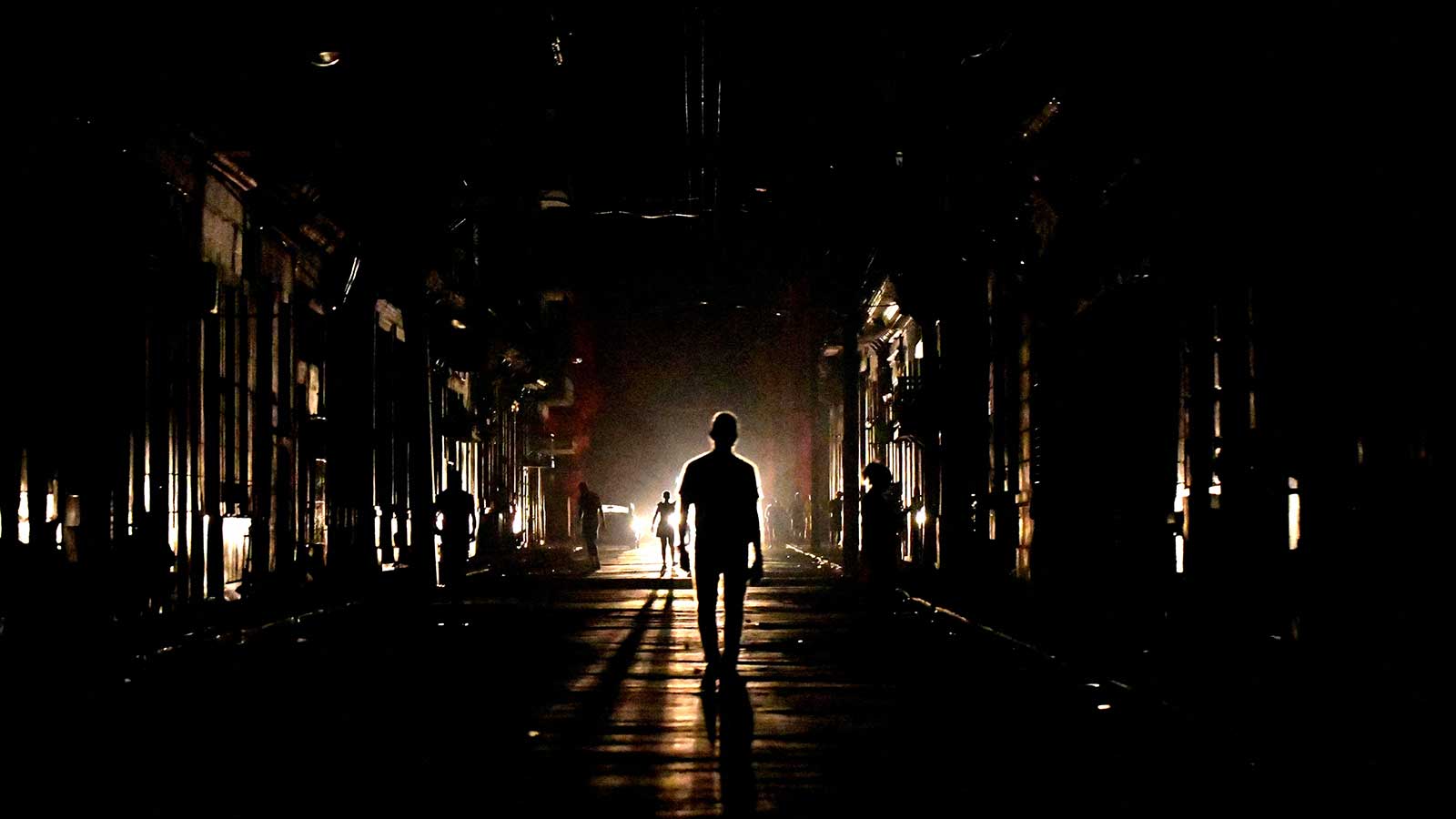
Cuba suffered a nationwide blackout, leaving the island's entire population – approximately 10 million people – without electricity.
The state-owned power grid operator UNE reported the incident on Monday, March 16. The company stated that measures are currently being taken to restore power.
Reuters notes that the current blackout was preceded by a series of power outages. In some cases, Cubans were left without power for several days.
Amid energy shortages, protests erupted across the country on the weekend of March 14 and 15, escalating into street riots in some places. Specifically, on the night of March 14, a group of protesters attacked the ruling Communist Party headquarters in the city of Morón.
Cuba's economic and energy crisis has been significantly exacerbated by the US oil blockade. The country's energy supply relies primarily on outdated oil-fired power plants.
Until recently, Venezuela was Cuba's main oil supplier. However, following the United States' attack on that country and the capture of its ruler, Nicolás Maduro, in January of this year, Caracas cut off oil supplies to Cuba.
Furthermore, Washington threatened to impose higher tariffs on countries that sell oil to Cuba. US President Donald Trump also stated that Cuba would be next on his agenda after the war with Iran and the overthrow of Nicolás Maduro.
In early February, Cuban President Miguel Díaz-Canel condemned the US blockade, calling it "fascist, criminal, and genocidal." However, on March 13, he announced the start of negotiations with the United States, officially acknowledging such contacts for the first time amid the worsening energy crisis.
As The New York Times reported on April 16, Donald Trump, speaking to reporters, declared that "he would be honored to take Cuba." He said he meant "liberating it" and that he could "do whatever he wanted with it," since it is currently a "very weakened country."
In an interview with NBC News published on the morning of March 16, Cuban Deputy Prime Minister Oscar Pérez-Oliva said Cuba is open to flexible trade relations with U.S. companies, as well as with Cubans living in the United States and their descendants.