Translated with AI























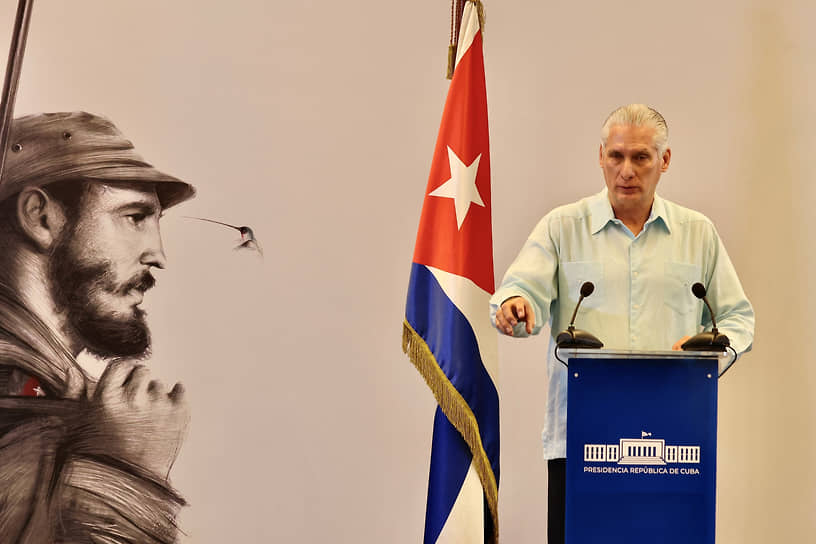
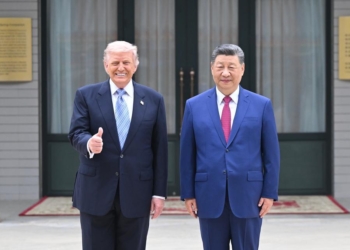
Cuban President Miguel Díaz-Canel has declared his readiness to offer "unwavering resistance" to any external aggressor following US President Donald Trump's remarks about the possibility of "taking" Cuba.
On March 17, Diaz-Canel reportedly noted on his microblog X that, in the event of a worst-case scenario, Cuba is certain of one thing: any external aggressor will be met with unyielding resistance.
Amid the ongoing US oil blockade, which has reportedly worsened Cuba's economic and energy crisis, the country's government is facing mounting pressure. On March 16, a massive blackout reportedly struck the island, leaving the entire country's population of approximately 10 million people without power.
By the morning of March 17, power had been restored to two-thirds of the country's population, including 45 percent of residents of the capital, Havana, home to about 1.7 million people.
It is noted that earlier, Donald Trump, speaking to journalists, spoke about the possibility of "taking Cuba," emphasizing that he considers the country weakened.
In an interview with NBC News published on March 16, Cuban Deputy Prime Minister Oscar Pérez-Oliva reportedly stated the country's readiness for flexible trade relations with American companies, as well as with Cubans living in the United States and their descendants.
At the same time, US Secretary of State Marco Rubio stated that the proposed measures are insufficient to implement the free-market reforms that the Trump administration is insisting on.
It is noted that Marco Rubio, who has Cuban roots, is a critic of the communist government of Cuba.
In turn, the deputy head of the Cuban diplomatic mission in Washington, Tanyeris Dieguez, stated that Cuba and the United States have issues to discuss, but neither side should demand a change of government from the other.
She stressed that Cuba's political and constitutional system is not and will not be subject to negotiations in the future, adding that the only condition for dialogue is respect for the country's sovereignty and right to self-determination.