Translated with AI

























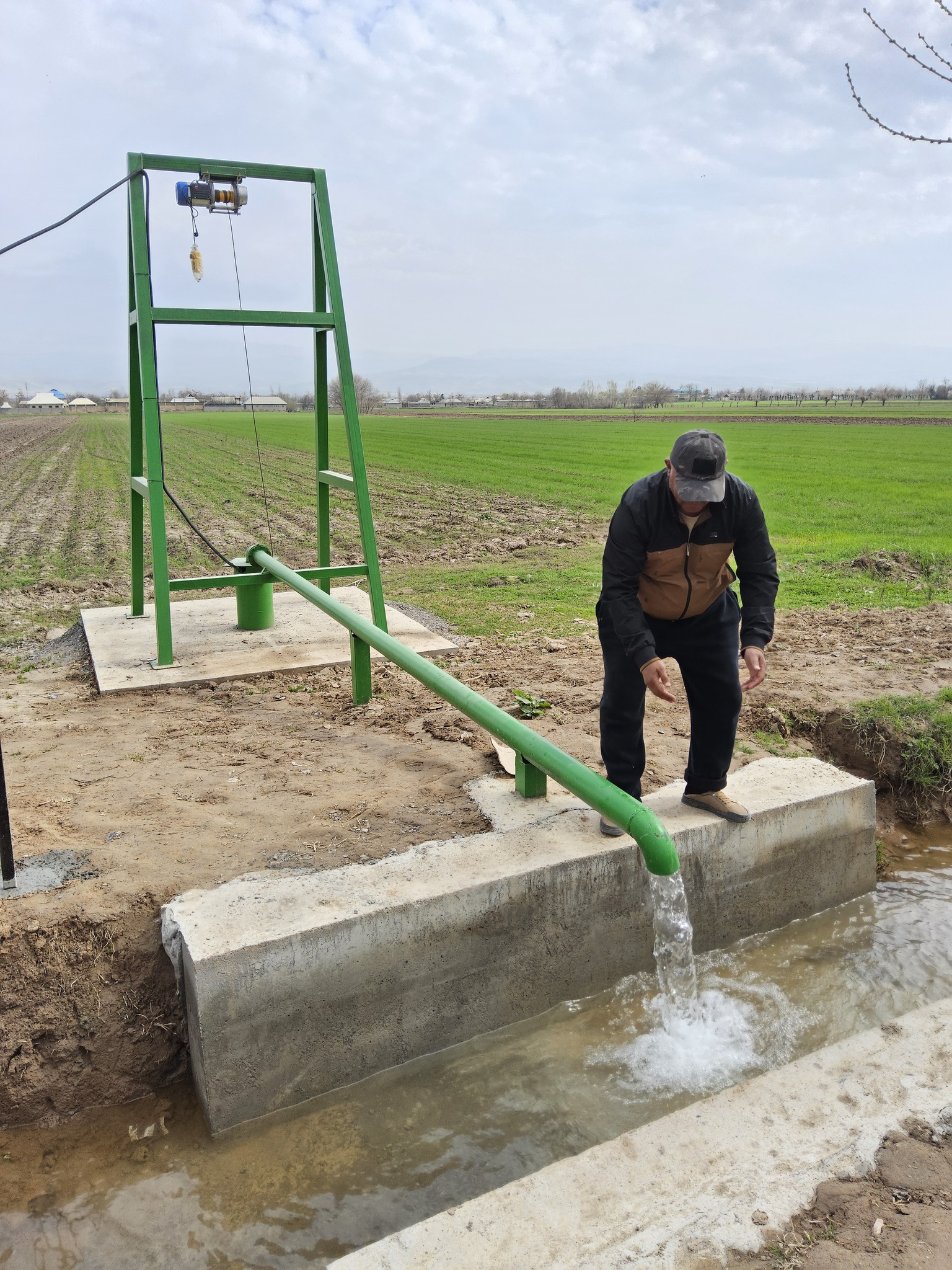
A project to improve the living conditions of the local population through the construction of a vertical well was implemented in the villages of Bahoriston and Hamidobod in the Vose district of Tajikistan.
The project was reportedly implemented by the World Food Programme with funding from the US government. The well is designed to provide residents with safe drinking water and reliable irrigation.
The system is equipped with a hybrid energy source combining solar power and the national grid. This ensures uninterrupted operation even during power outages, increasing the system's resilience and reliability for the local community.
According to data, before the project's implementation, more than 700 households experienced difficulties accessing drinking water. Furthermore, irrigation of 90 hectares of agricultural land frequently became a source of conflict due to water shortages.
Farmers are now reported to have stable access to water to grow crops, including cotton and vegetables.
It is noted that due to the proximity to the Vose and Kulyab markets, as well as the opportunity to enter the Dushanbe market, local producers have additional opportunities to sell their products.
It is emphasized that the implementation of this project demonstrates the importance of sustainable infrastructure development and the introduction of innovative technologies for transforming rural communities, strengthening livelihoods, and creating conditions for further development.