Translated with AI
































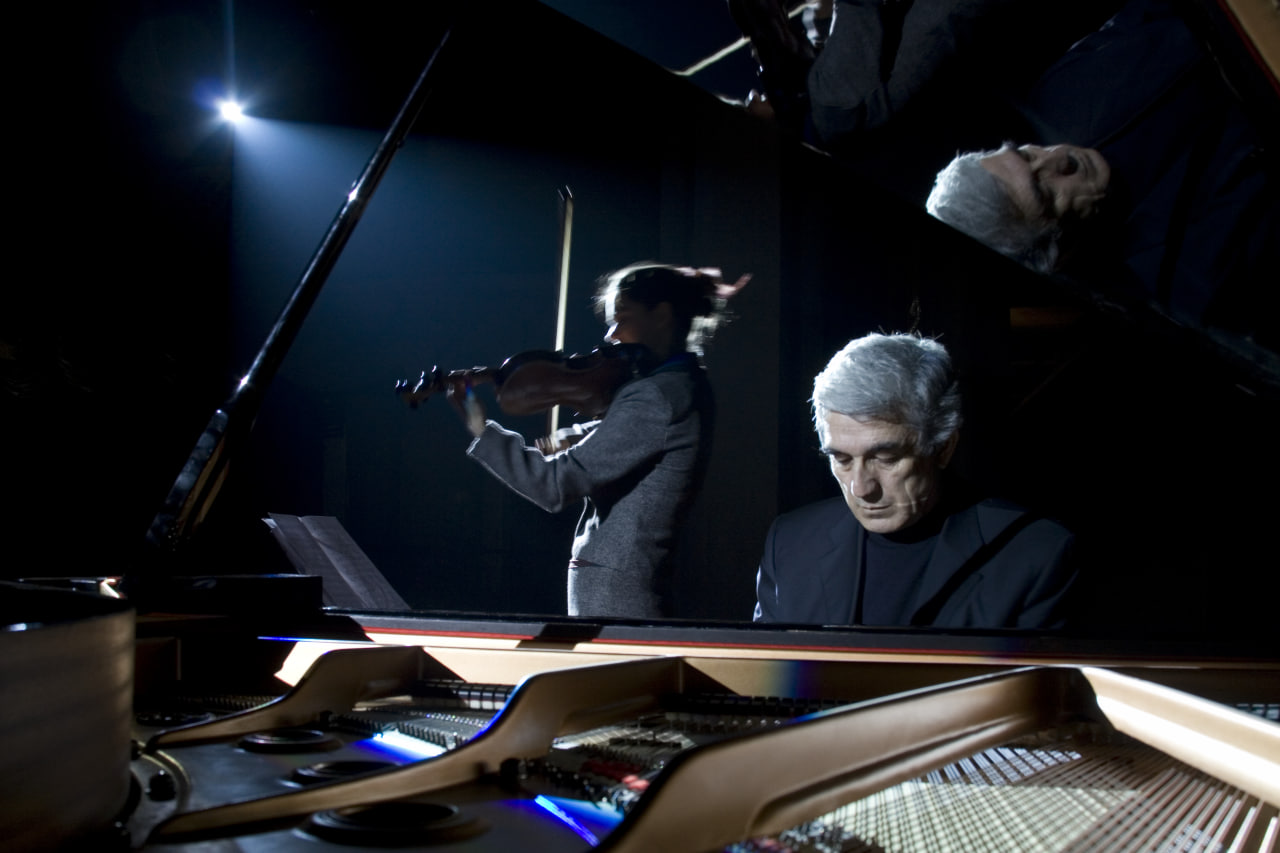
A jubilee concert dedicated to the 80th anniversary of the birth of Tajik composer Tolibkhon Shakhidi took place in the Great Hall of the Moscow State Tchaikovsky Conservatory.
The creative evening was dedicated to his many years of musical activity and became a significant cultural event, bringing together representatives of the musical community, cultural figures, students, and art lovers.
The concert was conducted by People's Artist of Russia Valery Gergiev, who has maintained a creative collaboration with the composer for 40 years. The program included works by Shakhidi performed by the orchestras of the Bolshoi and Mariinsky Theaters.
Guests at the event included teachers, students, and cultural figures from Moscow, as well as members of the composer's family.
TV presenter and singer Lera Kudryavtseva, who attended the concert, noted that Shakhidi's music has a unique emotional impact. She described it as a "cure for pain" and has a healing effect.
The concert held special significance for representatives of the Tajik diaspora in Moscow. Those in attendance expressed their pride that this world-class composer is a citizen of Tajikistan.
Moscow resident Raisa Serebryakova, who has lived in the Russian capital for over 30 years, noted that the Shakhidi family's work has accompanied her since childhood. She said the news of the concert evoked strong emotions, and despite the lack of tickets, she was able to attend by invitation.
The concert program opened with the symphonic raga "Taj Mahal," which the composer dedicated to his wife, journalist and writer Gulsifat Shakhidi. The composer's family has been together for over 50 years and is raising three sons: Tabrez, Hafiz, and Firdavs.
Gulsifat Shakhidi noted that she considers her family to be her greatest achievement in life, emphasizing the importance of family values.
The evening began with a performance by composer Maxim Dunaevsky, who studied with Tolibkhon Shakhidi. He noted that Shakhidi became a classic of Tajik music, continuing the traditions of his father, Ziyodullo Shakhidi, the founder of Tajik classical music.
According to Dunaevsky, Shakhidi's work is distinguished by its versatility: the composer successfully works in both classical and contemporary genres.
Tolibkhon Shakhidi is the author of works in various genres, including symphonic, opera, ballet, theater and film music.
The concert program included the works “The Imperfection of Our Time…”, a vocal cycle based on the poems of Paul Valéry and Ryokan, “Dances of Smiles”, Concerto No. 2 for piano and orchestra, excerpts from “Symphonic Dances”, a concerto for viola and orchestra, and the symphonic poem “Sado”.
A special place in the program was occupied by the symphonic picture "Darius", dedicated to Valery Gergiev and symbolizing creative collaboration and friendship.
Channel One presenter Irina Alkova noted that Shakhidi's music has the ability to create images and transport the listener to a special emotional space.
According to her, the composer's works create a sense of movement, sounds of nature and inner experience, which makes them unique.
The creative evening demonstrated the importance of music as a universal language capable of uniting different peoples and cultures through the combination of Western musical traditions and Eastern worldviews.
Each piece by the composer was accompanied by prolonged applause from the audience.
Tolibkhon Shakhidi was born on March 13, 1946, in Dushanbe to composer Ziyodullo Shakhidi. He began studying music at the age of 14, mastering the piano, and later graduated from the Dushanbe College of Music.
He later continued his studies at the Moscow State Conservatory named after P. I. Tchaikovsky, which he graduated from in 1972 under the direction of Aram Khachaturian.
The composer noted that the key values of modern music are taste, intelligence and professionalism.
Tolibkhon Shakhidi is a People's Artist of Tajikistan, a laureate of the International Contemporary Music Competition in Glassboro, New Jersey, a recipient of the Abuabdullo Rudaki State Prize, a laureate of the Gold Medal of the Union of Composers of Moscow, a laureate of the International Film Festival in Belgium, and a holder of the Order of Distinction.
In 2008, he was awarded the Georges Delerue Prize for his music for the film "The Two-Legged Horse".
It is noted that the composer remains one of the most prominent representatives of contemporary musical culture, combining the traditions of Eastern music with global artistic trends.