Translated with AI

































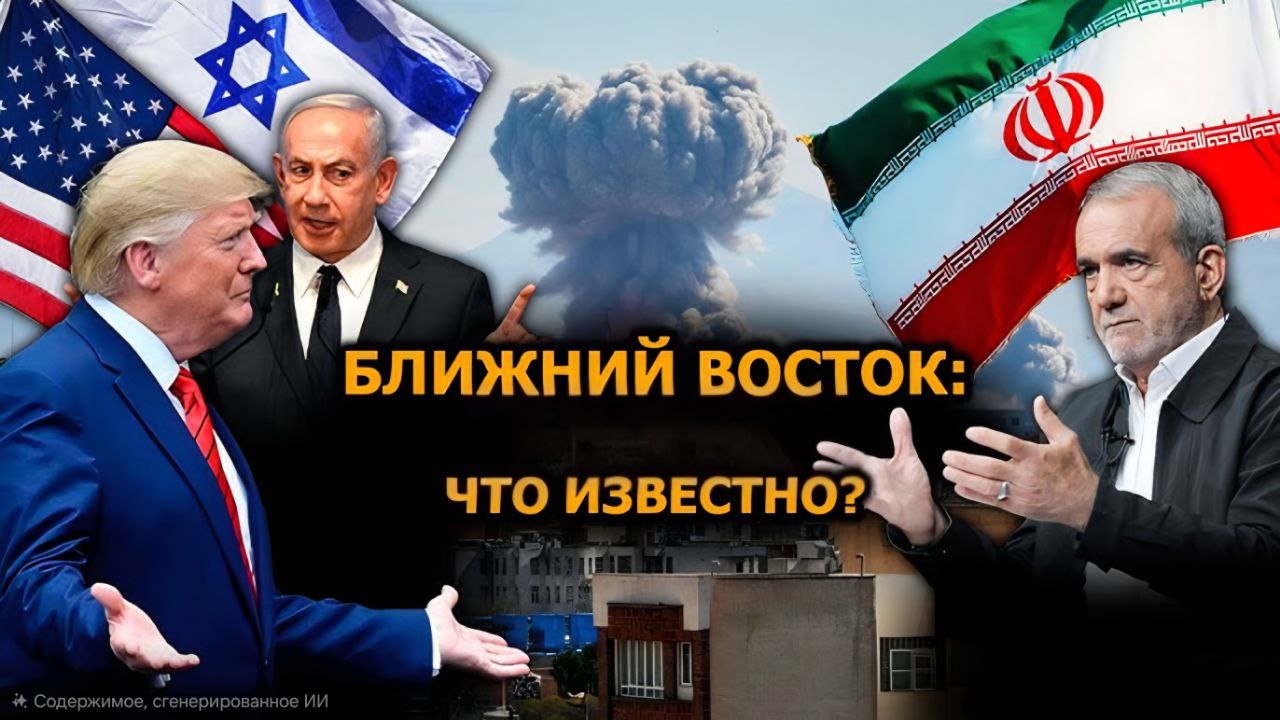
The military conflict between the United States, Israel and Iran entered its 19th day amid continuing escalation, mutual attacks and a rising death toll.
The situation escalated following the death of Ali Larijani, Secretary General of Iran's Supreme National Security Council, according to both sides, as a result of US and Israeli airstrikes. Tehran confirmed his death and announced its intention to retaliate.
In response to the incident, the Islamic Revolutionary Guard Corps announced the 61st wave of Operation True Promise 4. The statement claimed that Israeli territory was attacked using various types of missiles, including Khurramshahr-4, Qadir, and Emad and Khyber Shiken ballistic missiles.
According to Iranian officials, more than 100 military and security facilities in the Tel Aviv area were hit. Power outages were also reported in several areas of the city, hampering emergency services. Preliminary estimates put the death toll at over 230.
Against this backdrop, Israel continued its military operations in the region. The Israeli army reportedly carried out two airstrikes on Lebanon's capital, Beirut. According to the Lebanese Ministry of Health, these attacks killed six people and injured 24 more.
The strikes targeted central districts of the city, including the Balata district, as well as the southern district of Dahiya. Authorities reported that efforts to identify the dead were underway, including through DNA testing.
The Israeli army also struck a multi-story building in the town of Al-Aqabiya in southern Lebanon. According to local media reports, the building had previously been designated as a target, and residents were advised to evacuate the area.
Since the beginning of March, according to Lebanese authorities, Israeli attacks have killed 912 people and injured 2,221. More than one million people have been forced to flee their homes.
At the same time, strikes on Iranian territory continue. According to Iranian authorities, more than 1,348 people have been killed and over 17,000 injured as a result of the US and Israeli attacks. Among the dead are high-ranking members of the Iranian leadership.
Iranian Foreign Minister Abbas Araghchi stated that the country's political system remains stable and does not depend on individual personalities. He asserted that Iran's state institutions are robust, and the deaths of individual leaders do not have a decisive impact on the functioning of the system.
At the same time, he noted that each person plays a certain role, but the key factor remains the stability of the political system itself.
Amid the ongoing conflict, tensions remain in the strategically vital Strait of Hormuz. According to maritime traffic monitoring data, the number of vessels transiting the strait has nearly doubled in recent days. However, Iran is allowing a limited number of commercial vessels, primarily those not associated with Western countries, to transit.
Analysts point out that some ships linked to Western countries are changing routes to avoid passing through the strait, while ships from China, India and other countries are allowed access.
Iran has reportedly effectively restricted shipping in the Strait of Hormuz following the Israeli-US military operation.
Experts also note the potential economic consequences of the conflict. Estimates suggest that in the event of a protracted war, US costs could exceed $1 trillion, particularly in a scenario involving prolonged missile strikes, ground operations, and subsequent stabilization of the region.
Diplomatic contacts continue amid the military conflict. Cuban representatives stated the need to respect the sovereignty and right of countries to self-determination, and emphasized that the country's political system cannot be subject to external pressure.
The humanitarian situation in the region remains tense. In response to the aftermath of the conflict, Tajikistan sent humanitarian aid to the Islamic Republic of Iran. At the direction of Tajik President Emomali Rahmon, 3,610 tons of supplies were assembled, including medicines, sanitary and hygiene products, food, clothing, construction materials, and essential items.
A convoy of 110 trucks headed towards Iran on March 18 and is expected to reach recipients soon.