Translated with AI
























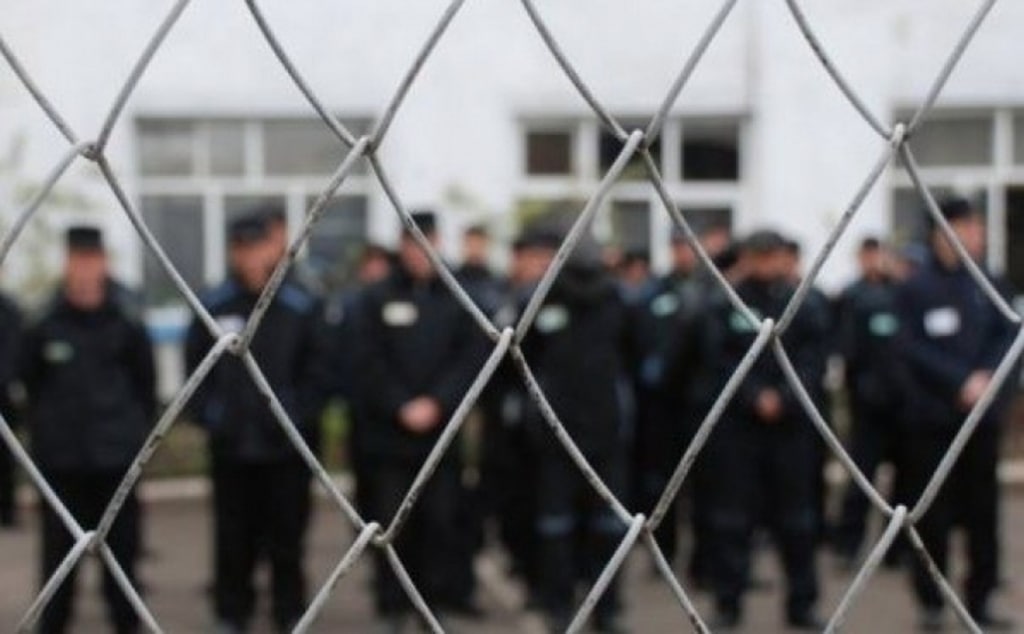
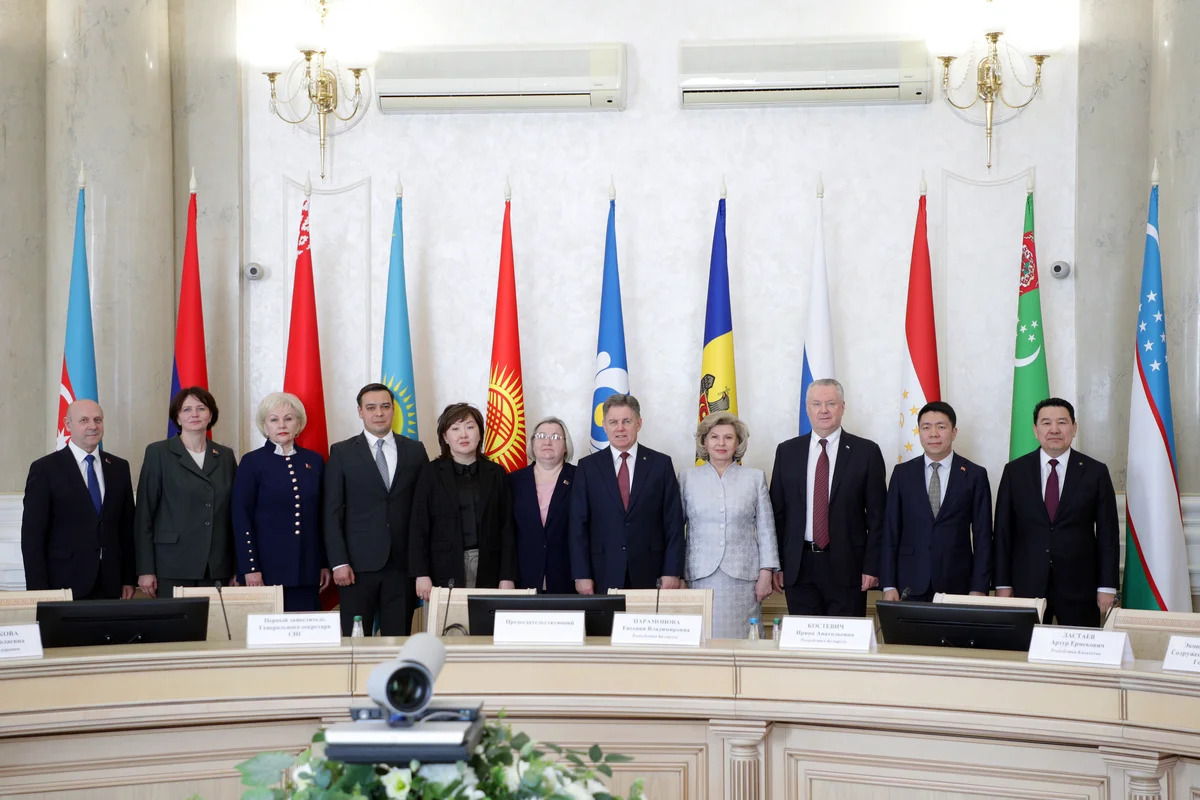
Russian authorities are prepared to extradite to Uzbekistan more than 3,000 citizens of that republic convicted in Russia but willing to serve their sentences in their home country. This was announced by Russia's Human Rights Commissioner, Tatyana Moskalkova, according to Kommersant.
At the same time, as Moskalkova emphasized, the Uzbek side must fulfill one condition: accede to the 1998 international treaty on the transfer of prisoners sentenced to imprisonment for further serving of their sentence in the state of which the prisoner is a citizen.
Following Tashkent's ratification of this convention, Russia is ready to provide practical assistance in repatriating Uzbek citizens held in Russian correctional facilities.
It is noted that this document already has legal force for a number of countries, including Belarus, Armenia, Kazakhstan, Kyrgyzstan, and Tajikistan. Citizens of these countries may, if desired, request transfer to serve their sentences in their home countries.
As stated, the purpose of the international agreement concluded in 1998 is to humanize the penal system and promote the social rehabilitation of convicted persons.
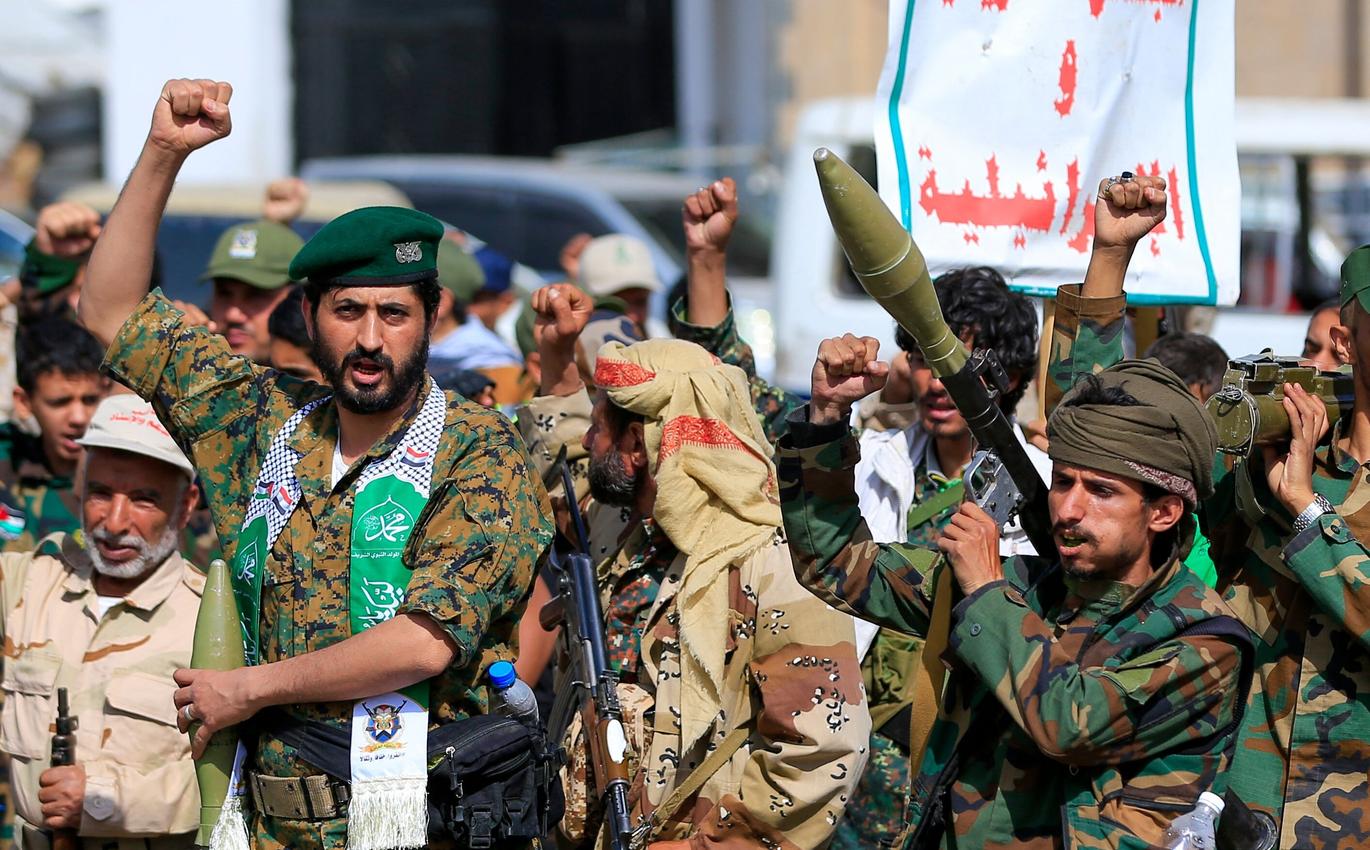
At the same time, it is emphasized that serving a sentence in Russia is associated with additional risks. According to available reports, prisoners, including foreign citizens, are actively recruited to participate in military operations in Ukraine.
Various methods are reportedly used to achieve this, including threats of tougher detention conditions, as well as offers of simplified access to Russian citizenship, cash payments, and exemption from criminal liability.
As an example, they cite the story of Uzbek citizen K.E., who was sentenced in Russia to nine years in prison for drug trafficking. According to him, while serving his sentence, he was repeatedly offered to go to war in exchange for his freedom.
After refusing, he was allegedly forced to join the army. K.E. was wounded at the front, after which he escaped from the hospital and returned to his homeland through the Uzbek embassy in Moscow.
Upon returning to Uzbekistan, he was sentenced to four years of restricted freedom under the article on mercenarism in the Criminal Code of the Republic.