Translated with AI












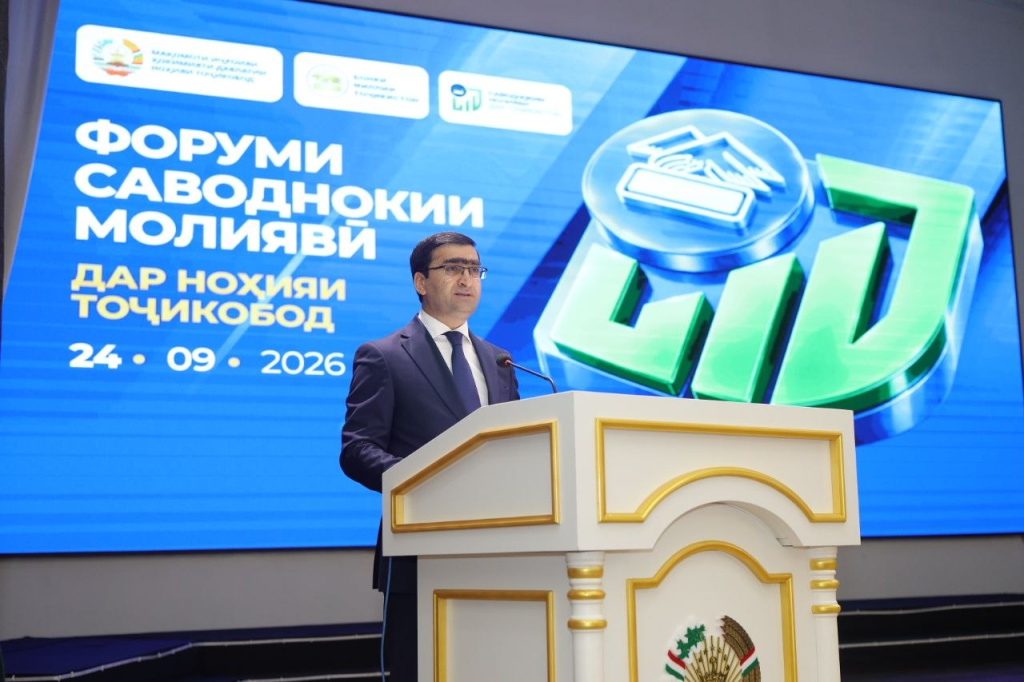





















The World Bank's Board of Executive Directors approved the Central Asia Electricity Market and Integration (REMIT) program, aimed at creating the first regional electricity market and strengthening energy security in the region. The program is scheduled for 10 years and is divided into three phases, the key goal of which is to develop energy partnerships and integrate the energy systems of Kyrgyzstan, Tajikistan, and Uzbekistan, as well as the Central Asian Energy Coordination and Dispatch Center.
Under the first phase, countries in the region will receive grants and concessional financing totaling $143.2 million, including $140 million from the World Bank's International Development Association and $3.2 million in grants from the Central Asia Water and Energy Program (CAWEP). These funds will be used to develop regional electricity trade, expand transmission capacity, and prepare for the integration of renewable energy sources into the Central Asian countries' power systems.
Electricity demand in the region is growing rapidly and is projected to triple by 2050. Currently, electricity trade in Central Asia accounts for only about 3% of total consumption, and renewable energy sources account for only 4%. However, the region has abundant hydro, solar, and wind energy resources, which are not yet fully exploited.
The REMIT program leverages the region's complementary energy resources, including hydropower in Kyrgyzstan and Tajikistan, thermal power generation in Kazakhstan, Turkmenistan, and Uzbekistan, and the growing potential of solar and wind energy throughout the region. Electricity trade is planned to increase to 15,000 GWh per year within ten years, meeting the needs of millions of residents in the region. Transmission capacity will more than triple to 16 GW, and clean energy capacity will increase to 9 GW.
"The REMIT program supports the Central Asian countries' aspirations to deepen energy cooperation and create a regional electricity market. This will enable more efficient use of resources, improve the reliability of energy supply, make electricity more accessible to households and businesses, and create new jobs," noted Naji Benhacine, World Bank Regional Director for Central Asia. He estimates that closer integration could generate up to $15 billion in economic benefits for the region by 2050.
The total estimated funding for the REMIT program is $1.018 billion. The funds will be used to create regional market infrastructure, digitalize energy supply systems, strengthen institutional mechanisms and coordination among countries in the region, and train specialists to manage the regional energy system.
The first phase of the program plans to integrate approximately 900 MW of new clean energy capacity, mobilizing approximately $700 million in private investment. Subsequent phases of REMIT include expanding the regional electricity market, strengthening transmission infrastructure, digitalizing systems, and enhancing cooperation between national and regional energy institutions.
The Energy Coordination and Dispatch Center will be responsible for implementing market and institutional measures, while national electricity transmission companies will oversee infrastructure investments. A regional steering committee, comprising energy ministries and implementing agencies from Central Asian countries, will provide overall oversight of the program's implementation.
The Central Asia Water and Energy Program (CAWEP), managed by the World Bank jointly with the EU, Switzerland and the UK, will become an additional instrument for developing cooperation and strengthening water and energy security in the region.