Translated with AI


































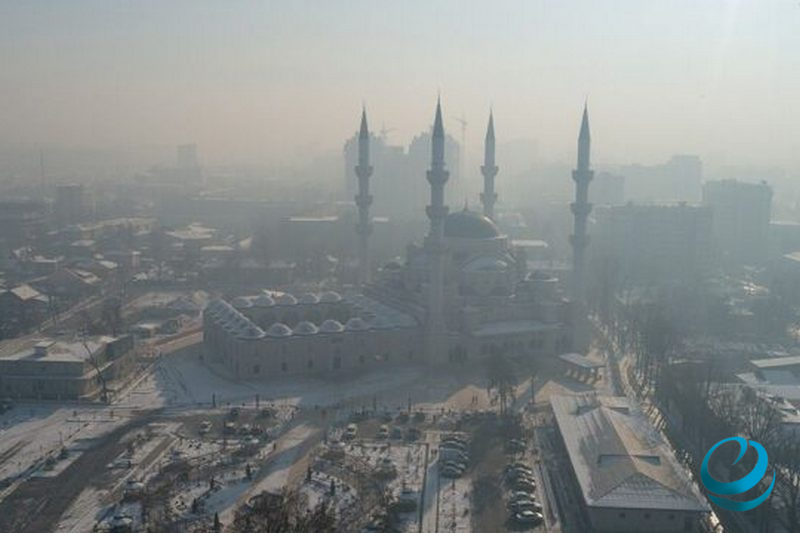
Kyrgyzstan's capital, Bishkek, ranked first in the world for air pollution among the world's largest cities, according to the World Air Quality ranking.
According to the rating, the air pollution index in Bishkek reached 350 AQI. Pollution levels above 300 AQI are considered hazardous to human health. The normal air quality index should be below 50 AQI.
The World Air Quality website notes that the city's air is dominated by fine particles (PM2.5) with a diameter of 2.5 micrometers or smaller. Due to their small size, these particles can enter the bloodstream when inhaled.
High concentrations of PM2.5, according to the organization, can cause health problems, including asthma attacks, coughing, and other respiratory problems.