Translated with AI

























An integral part of the premier cultural event marking the New Year's Eve for Chinese people worldwide, the Spring Festival Gala, Chunwan, is not only a symbol of family reunion but also a window into modern China. On December 28, 2025, the China Media Corporation announced the cities that will co-host the Spring Festival Gala. Harbin (Heilongjiang Province), Yiwu (Zhejiang Province), Hefei (Anhui Province), and Yibin (Sichuan Province) have been selected as additional venues. They will jointly present the festive show, along with the traditional main studio in Beijing.
Harbin, known as the "Ice City," is the cradle of China's modern ice and snow culture. It also boasts profound industrial potential. Its history with Chunwan began in 1988 with the first attempt to establish an additional venue, and in 2017, it stunned the nation with its ice-themed "Temple of Heaven."
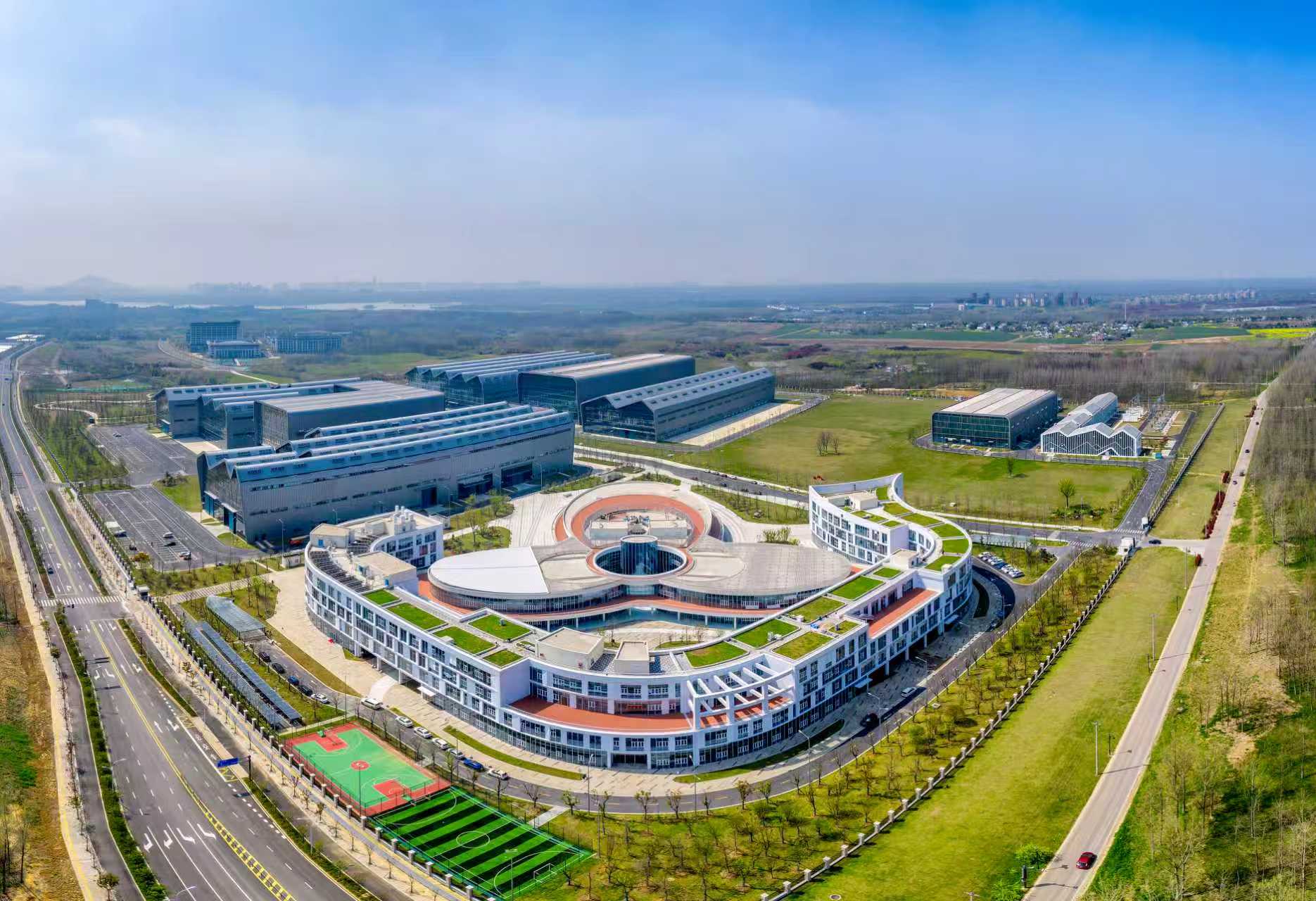
Yiwu, from its roots in the traditional barter system of "pen for sugar," has evolved into the "world's small-commodity capital," trading with over 230 countries and regions. The selection of this key Belt and Road Initiative hub as the site for Chunwan clearly reflects the vitality and confidence in local development in China. Hefei is a city striving to be a pioneer in scientific research and industry. It is a major source of scientific and technological innovation, home to numerous large-scale research facilities, and is experiencing the rapid development of strategic emerging industries such as quantum information and new-energy vehicles. In 2026, Hefei was selected for the first time as a co-host city for the Spring Festival Gala. Yibin is known as the "First City of the Great Yangtze River." Boasting a rich historical and cultural heritage, it is currently experiencing rapid development thanks to green industries such as battery and silicon photovoltaic cell manufacturing. Following the successful holding of the 2023 Mid-Autumn Festival Gala, Yibin's unique culture was once again recognized on the stage of the Spring Festival Gala.
Technologically transcending boundaries
Thanks to continuous technological advancements and innovations, satellite venues are now able to vividly showcase a multifaceted picture of national development on the same night as a single celebratory event. From the limited one-way broadcast in 1988, to the first experiments with aerial filming at satellite venues in 1996, and up until 2016, when Chunwan pioneered the "1+4" model (the main studio in Beijing plus four satellite venues), technological breakthroughs have completely erased spatial and temporal boundaries. For the first time, high-quality audio and video transmission was achieved, as well as synchronous broadcasting between the main studio in Beijing and satellite venues. In recent years, the continued implementation of cutting-edge technologies such as 5G transmission, 4K/8K ultra-high definition, VR broadcasting, and AR insertions have created an unprecedented immersive experience and a stunning impact on viewers. A striking example was the additional venue for the 2025 China Media Corporation Spring Festival Gala in Chongqing. There, a performance by a group of unmanned aerial vehicles merged with an augmented reality (AR)-generated space-time tunnel, and a light show featuring cars powered by new energy sources vividly demonstrated this technological breakthrough.
Careful selection of participating cities
The Spring Festival Gala's venue selection principle is consistent: it is never determined by a city's administrative status. This is clearly demonstrated by the fact that over the years, provincial capitals such as Xi'an (2002 and 2016) and Changsha (2022) have been selected, as have county-level cities such as Jinggangshan (2019), and even the Dong village of Zhaoxing in Guizhou Province. The selection is always based on the unique cultural appeal and developmental characteristics of the area, allowing a global audience to showcase China's rich diversity.
In embodying this principle, the criteria system must consider both the "breadth" of coverage from east to west and south to north, to reflect the country's vast territories, and the "depth" of immersion in regional culture, as well as relevance to the spirit of the times. Therefore, each selected city is like a unique "calling card of the times," a prism through which to observe contemporary China. Their successive appearance creates a comprehensive picture of national development, imbuing the gala with dynamic energy and a contemporary spirit. From cultural attention to economic impetus
What does a well-thought-out selection mechanism ultimately bring to cities?
Its value extends far beyond cultural representation. If you think about it, it amounts to a "highest certification" for the city brand and its "global presentation." Such selection for the gala helps the city transition from a "local player" to a "national celebrity" and even an "international star." The key benefit of this transition is the opportunity for the participating city to use Chunwan to transform temporary attention into a sustainable boost to tourism and increased brand equity. A striking example of this is the sharp increase in tourist arrivals recorded after the 2025 gala in the cities that hosted its regional venues: Chongqing, Wuhan, Lhasa, and Wuxi. During the holiday season, Chongqing welcomed over 33.16 million domestic tourists, the number of visitors to Wuhan's key attractions increased by nearly 300 percent, attendance at the Potala Palace in Lhasa increased by 69 percent, and Wuxi's tourism revenue also reached a historic high. It is this short-term effect of the "Chongqing Economy" that serves as the starting point for unlocking the city's potential as a brand. After the 2026 Spring Festival Gala, Harbin, Yiwu, Hefei, and Yibin, taking center stage, are expected to gain not only a short-term boost to tourism and consumption but also valuable intangible assets: increased visibility, clearer industrial benchmarks, and enhanced global appeal. These assets will become a sustainable resource for them, providing access to political support, capital, and talent, strengthening their influence in future development.
Over the course of its development, the strategic value of the regional Spring Festival Gala venues has become clear: they have evolved from a simple physical extension of space into an "innovation bridge" connecting regional culture, modern technology, and regional development. By carefully selecting and showcasing urban examples such as Harbin's ice and snow, Yiwu's trade, Hefei's scientific innovation, and Yibin's green economy to a global audience, China not only tells its own story in a multifaceted way but also initiates an open dialogue based on development values. This elevates the gala itself beyond the confines of a festive spectacle, transforming it into both a cultural event uniting the entire nation and a living window displaying the dynamism and innovative vitality of contemporary China to the world in real time.
(Author: Tang Yingnan)