Translated with AI








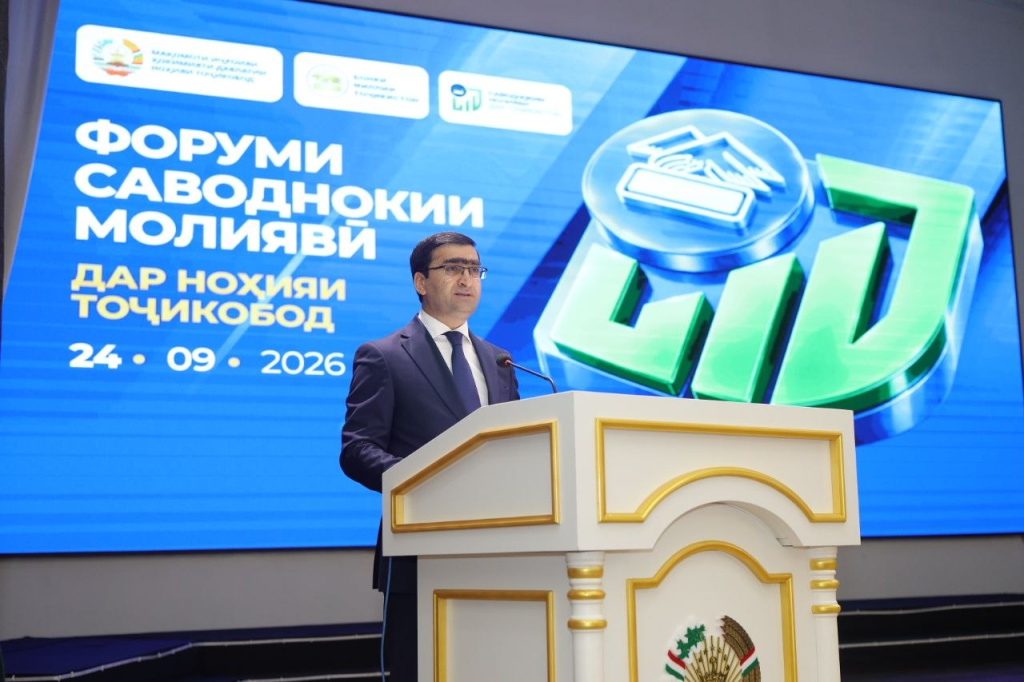
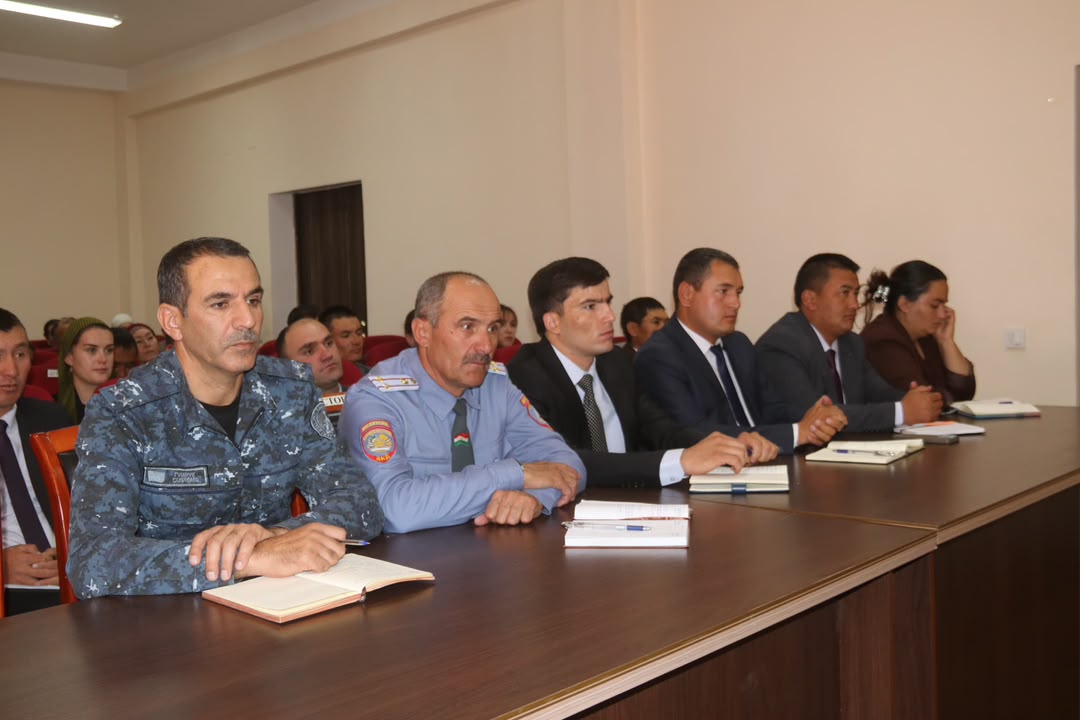
















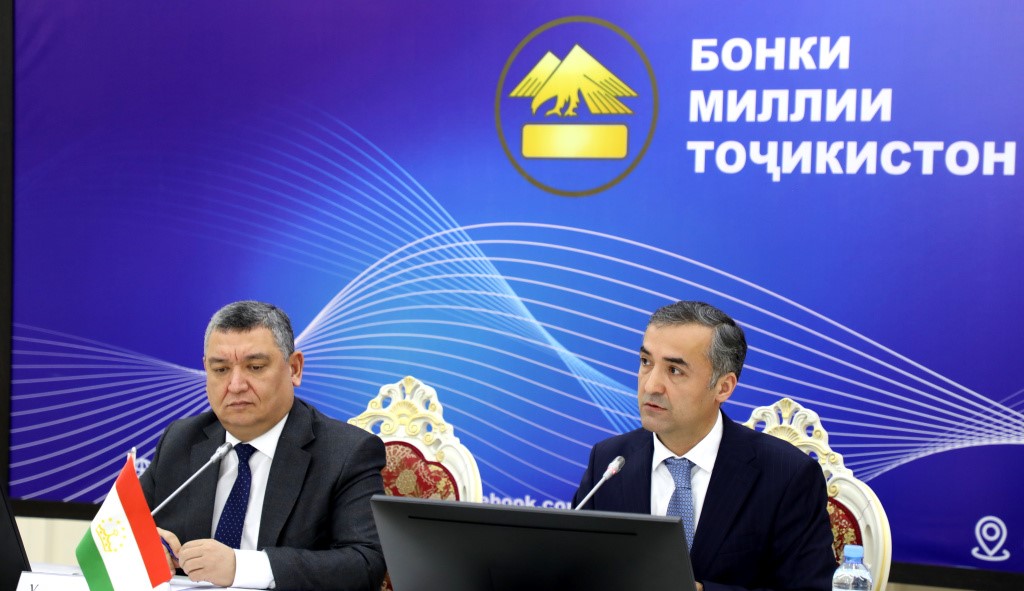
On January 8, 2026, the National Bank of Tajikistan held an extended meeting chaired by Bank Chairman Firdavs Tolibzoda to summarize the banking system's performance in 2025 and discuss objectives for the first half of 2026, the bank's press department reported.
The event was attended by Assistant to the President of the Republic of Tajikistan on Economic Issues Nematullo Hikmatullozoda, First Deputy Chairman of the National Bank Sharifzoda Firuza, Deputy Chairmen Ikromi Sirojiddin, Naziri Gulbahor, Murodalizoda Daler, heads of the bank's regional branches, heads of credit financial institutions, representatives of the Association of Banks and the Association of Financial Organizations of Tajikistan, the Deposit and Savings Insurance Fund, and credit history bureaus.
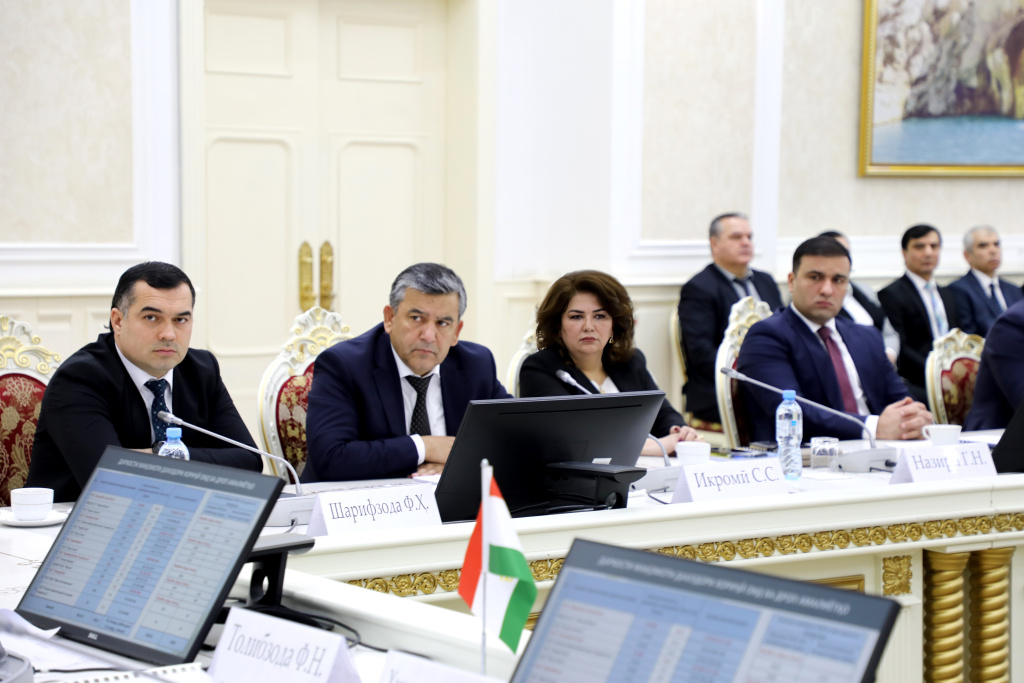
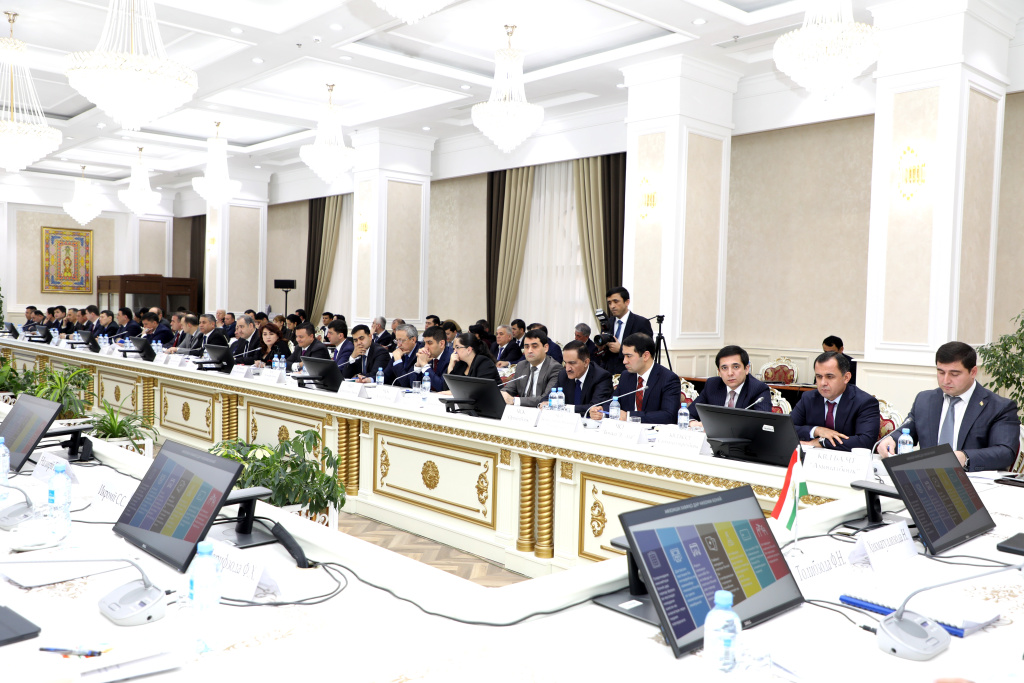
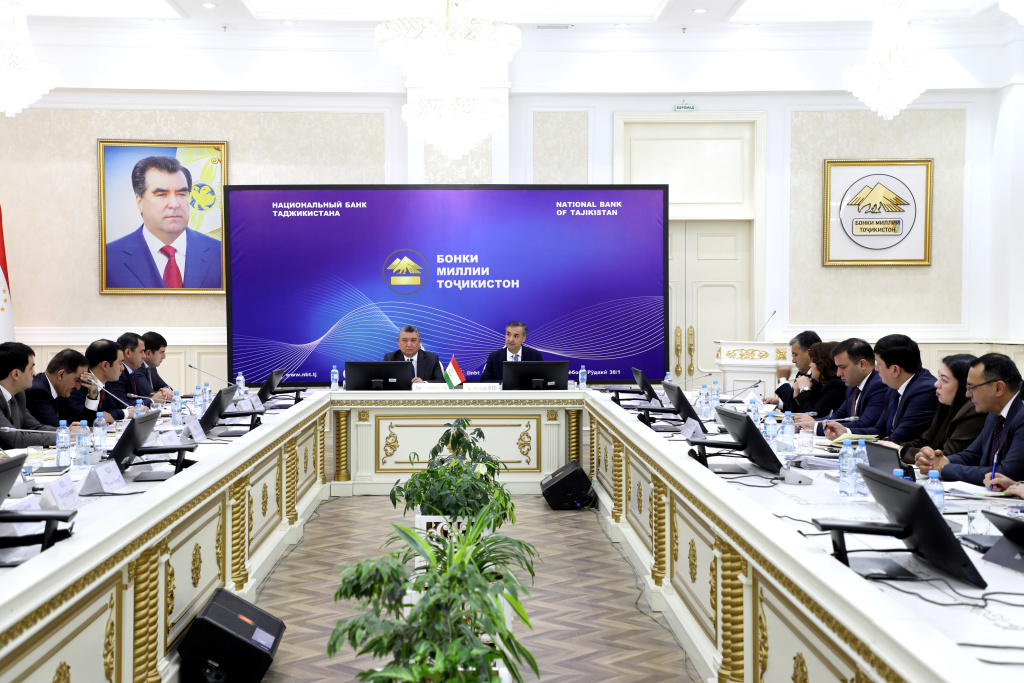
During the meeting, Firdavs Tolibzoda noted that in 2025, the National Bank acted in accordance with industry legislation and the objectives outlined in the President's Address to the Majlisi Oli "On the Main Directions of Domestic and Foreign Policy," as well as on the basis of "On the Main Directions of Monetary Policy of the Republic of Tajikistan for 2025 and the Medium Term."
It was emphasized that despite the difficult international political and economic situation, in 2025, thanks to the measures taken by the government, stable economic and financial development was ensured, a balanced monetary policy was implemented to stabilize the exchange rate of the national currency, support the reliable functioning of the banking system and maintain low inflation.
The meeting focused on the digitalization of economic sectors, the development of cashless payments, and financial technologies. The National Bank and credit institutions were instructed to take measures to attract investment, increase deposits from individuals and legal entities, develop lending to priority economic sectors, including industrial entrepreneurship, and improve mortgage lending.
The bank's department heads presented reports on the state of the banking system in 2025, ensuring financial stability, implementing exchange rate policy, the activities of credit financial institutions in the area of financial monitoring, the development of the payment system, and countering cyber threats.
During the meeting, representatives of credit financial institutions were given specific instructions on reducing the share of inactive loans, improving software, preventing fraud and cyberattacks, increasing the share of profitable assets, ensuring information security, expanding lending to various sectors of the economy, and improving the level of banking services.
Presidential Aide for Economic Affairs Hikmatullozoda Nematullo emphasized that the banking system makes a significant contribution to the implementation of the state's economic policy, sustainable socioeconomic development, replenishment of the state budget, the development of the private sector, and the development of entrepreneurship.
By the end of 2025, improvements in the banking system's key indicators and an expansion of the range of services provided were noted. At the same time, to ensure the stable functioning of the banking system and promote national economic development, credit institutions are recommended to complete the digitalization of banking services in all regions of the country and widely implement financial technologies.
The heads of credit financial institutions have been instructed to strengthen internal controls, risk management, strengthening the capital base, attracting investment, monitoring foreign exchange transactions, conducting information technology audits, preventing fraud, expanding the infrastructure for cashless payments, and promptly handling customer complaints.